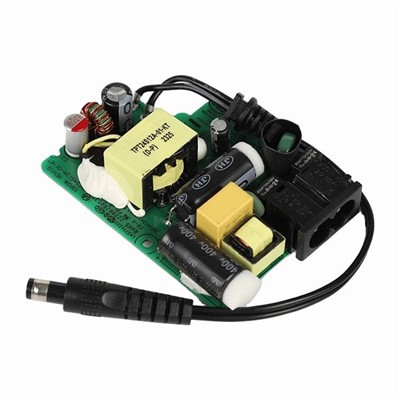

Parallel operation of AC - DC switching power supplies is a crucial technique in many industrial and commercial applications. As a supplier of AC-DC Switching Power Supply, I have witnessed firsthand the importance and challenges of parallelizing these power supplies. In this blog, I will share some insights on how to parallel AC - DC switching power supplies effectively.
Understanding the Basics of Parallel Operation
Before delving into the details of parallelizing AC - DC switching power supplies, it is essential to understand the basic concepts. When power supplies are connected in parallel, their output voltages are combined to increase the overall current - handling capacity while maintaining the same output voltage. This is particularly useful in applications where high - power requirements cannot be met by a single power supply.

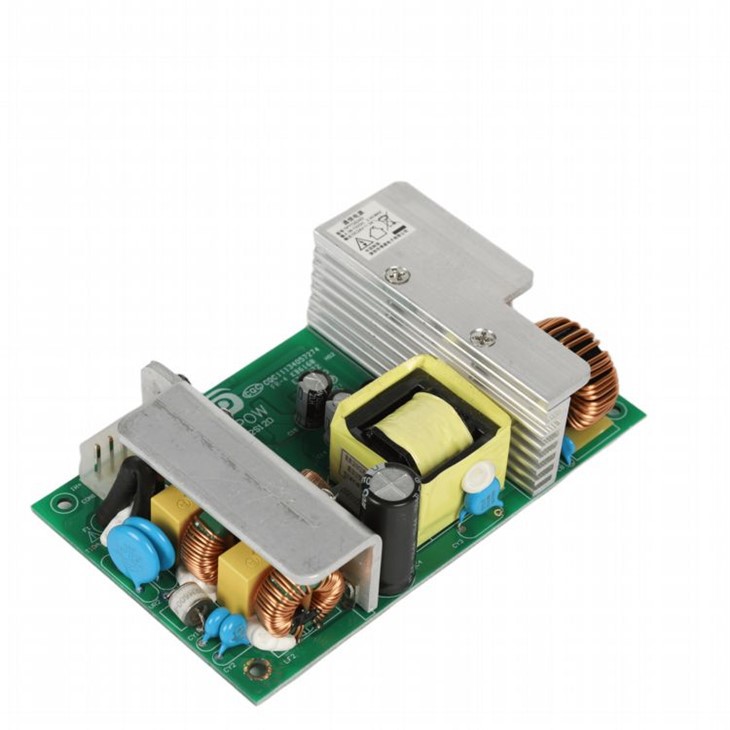
However, parallel operation is not as simple as just connecting the outputs of multiple power supplies together. There are several factors that need to be considered to ensure stable and reliable operation.
Key Considerations for Parallel Operation
1. Output Voltage Matching
One of the most critical factors in parallel operation is the matching of output voltages. If the output voltages of the power supplies are not closely matched, the power supply with the higher output voltage will supply more current, while the one with the lower output voltage may even act as a load, drawing current instead of supplying it. This can lead to overheating and premature failure of the power supplies.
To achieve good voltage matching, it is recommended to use power supplies from the same series or with similar specifications. For example, our Regulated Switching Power Module is designed to have excellent voltage regulation, which helps in achieving better voltage matching when used in parallel.
2. Current Sharing
Proper current sharing is another important aspect of parallel operation. Even if the output voltages are well - matched, differences in internal impedance and other factors can cause uneven current distribution among the power supplies. Uneven current sharing can lead to overloading of some power supplies and under - utilization of others.
There are several methods to achieve current sharing. One common method is the use of external current - sharing resistors. These resistors are connected in series with the output of each power supply and help to balance the current flow. Another approach is to use power supplies with built - in current - sharing circuits. Our power supplies are designed with advanced current - sharing techniques to ensure more uniform current distribution.
3. Load Transient Response
When multiple power supplies are connected in parallel, the load transient response can be affected. A sudden change in the load can cause voltage fluctuations, and the power supplies need to respond quickly to maintain a stable output voltage.
Power supplies with fast transient response times are preferred for parallel operation. Our 90W Single Output Open Frame Power Supply is engineered to have excellent transient response characteristics, which can help in maintaining stable output voltages during load changes.
4. Thermal Management
Parallel operation can increase the heat generation, as multiple power supplies are working together. Proper thermal management is essential to prevent overheating and ensure the long - term reliability of the power supplies.
It is important to provide adequate ventilation and cooling for the power supplies. Mounting the power supplies in a well - ventilated enclosure and using heat sinks can help to dissipate the heat effectively.
Steps for Parallelizing AC - DC Switching Power Supplies
Step 1: Select Compatible Power Supplies
As mentioned earlier, select power supplies from the same series or with similar specifications to ensure good voltage matching and current - sharing capabilities. Make sure the power supplies are rated for parallel operation.
Step 2: Check the Output Voltages
Before connecting the power supplies in parallel, measure the output voltages of each power supply using a high - precision voltmeter. Adjust the output voltages if necessary to ensure they are within a narrow tolerance range.
Step 3: Implement Current - Sharing Mechanisms
If the power supplies do not have built - in current - sharing circuits, install external current - sharing resistors according to the manufacturer's recommendations. Connect the resistors in series with the output of each power supply.
Step 4: Connect the Power Supplies in Parallel
Connect the positive outputs of all the power supplies together and the negative outputs together. Make sure the connections are secure and there are no short - circuits.
Step 5: Test the Parallel System
Apply a load to the parallel power supply system and monitor the output voltage and current. Check for any signs of uneven current sharing or voltage fluctuations. Make adjustments if necessary.
Monitoring and Maintenance
Once the parallel power supply system is up and running, it is important to monitor the system regularly. Check the output voltage, current, and temperature of each power supply. Any significant changes in these parameters may indicate a problem with the system.
Regular maintenance, such as cleaning the enclosures and checking the connections, can help to ensure the long - term reliability of the parallel power supply system.
Conclusion
Parallelizing AC - DC switching power supplies can be a complex but rewarding process. By understanding the key considerations, following the proper steps, and implementing effective monitoring and maintenance, you can achieve a stable and reliable high - power power supply system.
As a supplier of high - quality AC-DC Switching Power Supply, we are committed to providing our customers with the best products and technical support. If you are interested in parallelizing power supplies for your application or have any questions about our products, please feel free to contact us for procurement and further technical discussions. We look forward to working with you to meet your power supply needs.
References
- "Power Supply Design Handbook", Third Edition, by Marty Brown
- Technical documents provided by power supply manufacturers on parallel operation of power supplies