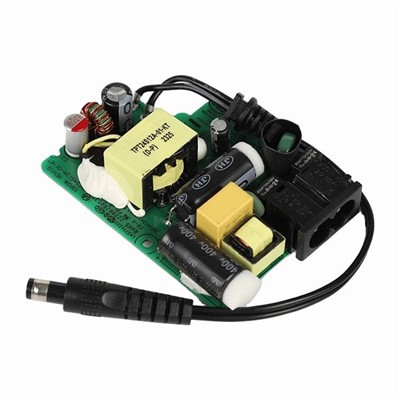

When it comes to charging batteries, precision is of utmost importance. As a supplier of 58V battery chargers, I've witnessed firsthand the critical role that proper charging plays in the longevity and performance of batteries. In this blog post, I'll explore the impact of over - charging a battery using a 58V battery charger, shedding light on the potential consequences and why it's essential to use chargers correctly.
Understanding Battery Charging Basics
Before delving into the effects of over - charging, let's briefly review how battery charging works. A battery charger supplies electrical energy to a battery, converting AC power from the outlet into DC power suitable for the battery. The charging process involves moving electrons from the charger to the battery, which stores the energy chemically.
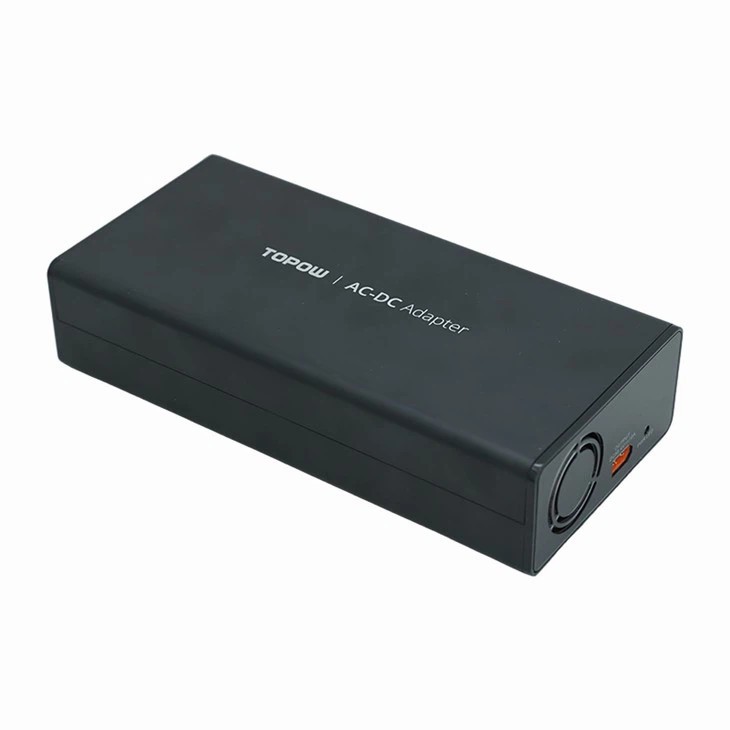

For a 58V battery, the charger is designed to deliver the appropriate amount of voltage and current to charge the battery safely and efficiently. The charger should have built - in mechanisms to regulate the charging process, such as voltage and current limiters, to prevent over - charging.
The Dangers of Over - Charging with a 58V Battery Charger
Chemical Degradation
One of the primary impacts of over - charging a battery is chemical degradation. Batteries rely on specific chemical reactions to store and release energy. When a battery is over - charged, these chemical reactions can go awry. For example, in lithium - ion batteries, over - charging can cause the lithium metal to deposit on the electrodes, a phenomenon known as lithium plating. This not only reduces the battery's capacity but can also lead to short circuits, as the lithium metal can grow and penetrate the separator between the electrodes.
In lead - acid batteries, over - charging can cause the water in the electrolyte to break down into hydrogen and oxygen gases through electrolysis. This process, known as gassing, leads to a loss of water in the battery, increasing the concentration of sulfuric acid in the electrolyte. Over time, this can corrode the battery plates and reduce the battery's overall lifespan.
Thermal Runaway
Over - charging can also lead to thermal runaway, a dangerous situation where the battery's temperature rises rapidly and uncontrollably. As the battery is over - charged, the excess energy is converted into heat. If the heat cannot be dissipated quickly enough, the temperature of the battery will continue to rise. This increase in temperature further accelerates the chemical reactions inside the battery, generating even more heat.
In extreme cases, thermal runaway can cause the battery to catch fire or explode. This is particularly true for lithium - ion batteries, which are highly sensitive to over - charging and high temperatures. A thermal runaway event can not only damage the battery but also pose a significant safety risk to the surrounding environment and people.
Reduced Battery Lifespan
Over - charging significantly reduces the lifespan of a battery. Each time a battery is over - charged, it undergoes irreversible damage at the chemical and physical levels. The capacity of the battery gradually decreases, meaning that it can store less energy over time. This results in shorter run times for devices powered by the battery, such as Electrical Scooter Charger - charged scooters or EV Charger 48v - powered electric vehicles.
As the battery ages prematurely due to over - charging, it will need to be replaced more frequently. This not only adds to the cost of ownership but also has environmental implications, as battery disposal can be a challenging and polluting process.
Performance Degradation
Even if the battery does not experience immediate catastrophic failure, over - charging can lead to performance degradation. The battery may take longer to charge, discharge more quickly, and provide less power to the device. This can be frustrating for users, especially in applications where reliable and consistent power is crucial.
For example, in an electric scooter, a degraded battery may result in reduced speed and range. In a power tool, the battery may not provide enough power to operate the tool effectively, leading to decreased productivity.
Preventing Over - Charging
As a 58V battery charger supplier, I'm committed to providing chargers that are safe and reliable. Our chargers are equipped with advanced charging algorithms and protection circuits to prevent over - charging. These features include:
- Voltage Regulation: The charger monitors the battery voltage and automatically adjusts the charging voltage to ensure that it does not exceed the safe limit for the battery.
- Current Limiting: By limiting the charging current, the charger ensures that the battery is not charged too quickly, which can lead to over - heating and over - charging.
- Over - charge Protection: Once the battery reaches its full capacity, the charger stops supplying power, preventing over - charging.
In addition to using a high - quality charger, users should also follow the manufacturer's charging instructions carefully. This includes not leaving the battery connected to the charger for extended periods after it is fully charged.
Impact on Different Types of Batteries
Lithium - Ion Batteries
Lithium - ion batteries are widely used in portable electronics, electric vehicles, and other applications due to their high energy density and long lifespan. However, they are also very sensitive to over - charging. Over - charging a lithium - ion battery can cause lithium plating, as mentioned earlier, which can lead to internal short circuits and thermal runaway.
To prevent these issues, it's crucial to use a charger specifically designed for lithium - ion batteries, such as the ones we offer as a 58V battery charger supplier. Our chargers are calibrated to the specific voltage and charging requirements of lithium - ion batteries, ensuring safe and efficient charging.
Lead - Acid Batteries
Lead - acid batteries are commonly used in automotive applications, uninterruptible power supplies (UPS), and other heavy - duty applications. Over - charging a lead - acid battery can cause gassing, water loss, and plate corrosion. This can lead to reduced battery capacity and a shorter lifespan.
Our 58V battery chargers for lead - acid batteries are designed to minimize these risks. They use a multi - stage charging process that includes a float charge stage, which maintains the battery at a fully charged state without over - charging.
The Role of a Reliable 58V Battery Charger Supplier
As a 58V battery charger supplier, we play a crucial role in ensuring the safety and performance of batteries. Our chargers are designed and manufactured to meet the highest quality standards, using the latest technology and components.
We offer a wide range of 58V battery chargers to meet the diverse needs of our customers. Whether you need a charger for a small portable device or a large - scale industrial application, we have the right solution for you. Our 100A Battery Charger is suitable for high - power applications, while our electrical scooter chargers are designed for efficient and safe charging of electric scooters.
Contact Us for Your Charging Needs
If you're in the market for a reliable 58V battery charger, look no further. Our team of experts is ready to assist you in finding the right charger for your specific requirements. We offer competitive pricing, excellent customer service, and a commitment to quality.
Don't let over - charging damage your batteries. Invest in a high - quality 58V battery charger from us and ensure the longevity and performance of your batteries. Contact us today to discuss your charging needs and start a procurement negotiation.
References
- Linden, D., & Reddy, T. B. (2002). Handbook of Batteries. McGraw - Hill.
- Tarascon, J. M., & Armand, M. (2001). Issues and challenges facing rechargeable lithium batteries. Nature, 414(6861), 359 - 367.
- Karden, E., & Sauer, D. U. (2012). Battery Management Systems in Electric and Hybrid Vehicles. John Wiley & Sons.