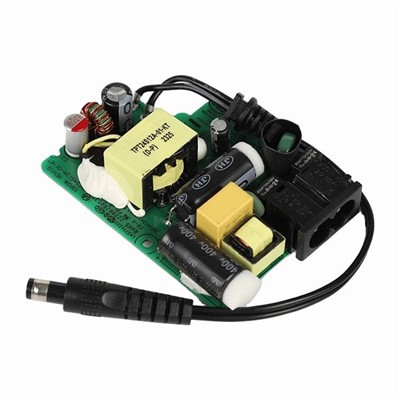

Hey there! As a supplier of Portable Energy Storage, I often get asked about how to properly dispose of these nifty devices. It's a crucial topic, not just for the safety of our environment but also for our own well - being. So, let's dive right in and figure out the best ways to say goodbye to our portable energy storage units when they've reached the end of their useful lives.
First off, let's understand what a portable energy storage device is. These are compact power sources that can store electrical energy and provide power on the go. They're super handy for camping, outdoor events, or even as a backup power supply during blackouts. You can check out our Portable Energy Storage options on our website to see the variety we offer.
One of the most common types of portable energy storage devices is the LiFePO4 Portable Power Station. LiFePO4, or Lithium Iron Phosphate, is a popular battery chemistry used in these stations because of its long lifespan, high energy density, and safety features. But even the best batteries eventually wear out.
When it comes to disposing of a portable energy storage device, the first step is to check its battery type. Different battery chemistries require different disposal methods. For example, lithium - based batteries, like those in our LiFePO4 Portable Power Stations, need special handling. Lithium batteries can be dangerous if not disposed of properly, as they can overheat, catch fire, or even explode under certain conditions.
The first thing you should never do is throw your portable energy storage device in the regular trash. This is a big no - no because it can lead to environmental pollution and potential safety hazards. The chemicals and heavy metals in the batteries can leach into the soil and water, causing harm to plants, animals, and humans.
So, what's the right way? Well, one option is to take your device to a recycling center that specializes in battery recycling. Many local governments have established recycling programs for electronic waste, including portable energy storage devices. You can usually find a list of approved recycling centers on your local government's website or by calling their waste management department.
Before taking your device to the recycling center, it's a good idea to discharge the battery as much as possible. You can do this by using up the remaining power in the device. For example, if your portable power station has a USB port, you can plug in a small device like a phone charger and let it run until the battery is almost empty.
Another option is to contact the manufacturer or supplier of your portable energy storage device. Some companies, like ours, have take - back programs in place. We understand the importance of proper disposal and are committed to ensuring that our products are recycled in an environmentally friendly way. If you've purchased one of our Portable Energy Storage devices and it's reached the end of its life, just reach out to us, and we'll guide you through the process.
If you're a business that uses a large number of portable energy storage devices, you might want to consider partnering with a professional e - waste management company. These companies have the expertise and equipment to handle large - scale battery recycling safely and efficiently. They can also provide you with documentation to prove that your devices have been recycled properly, which is important for compliance and environmental reporting.
Now, let's talk about some of the things you need to keep in mind during the disposal process. First, make sure to protect yourself. Wear gloves and safety glasses when handling the device, especially if you're opening it up to access the battery. Some batteries may contain corrosive chemicals that can cause skin and eye irritation.
Second, store the device properly before disposal. Keep it in a cool, dry place away from flammable materials. Avoid exposing it to extreme temperatures, as this can cause the battery to degrade further and increase the risk of a fire or explosion.
Third, if you're shipping the device to a recycling center or the manufacturer, make sure to follow all the shipping regulations. This may include using a special shipping container and labeling the package correctly.
In addition to proper disposal, it's also important to think about extending the life of your portable energy storage device. You can do this by following some simple maintenance tips. For example, avoid overcharging or over - discharging the battery. Most modern portable power stations have built - in protection circuits to prevent these issues, but it's still a good idea to be careful.
Also, store the device at the right temperature. Extreme cold or heat can reduce the battery's capacity and lifespan. If you're not using the device for a long time, store it with a partial charge, around 50%. This helps to prevent the battery from self - discharging too much and losing its capacity.
As a Portable Energy Storage supplier, we're always looking for ways to improve the sustainability of our products. We're constantly researching and developing new battery technologies that are more environmentally friendly and easier to recycle. We also work closely with our customers to educate them about proper disposal and maintenance.


If you're in the market for a new portable energy storage device, we'd love to have a chat with you. Whether you're an individual looking for a power source for your next camping trip or a business in need of reliable backup power, we have a solution for you. Just reach out to us, and we can discuss your specific needs and help you find the perfect Portable Energy Storage device.
In conclusion, proper disposal of portable energy storage devices is essential for the environment and our safety. By following the steps outlined above, you can ensure that your device is recycled in an environmentally friendly way. And if you have any questions or need more information, don't hesitate to contact us. We're here to help!
References
- Local government waste management guidelines
- Battery recycling industry best practices