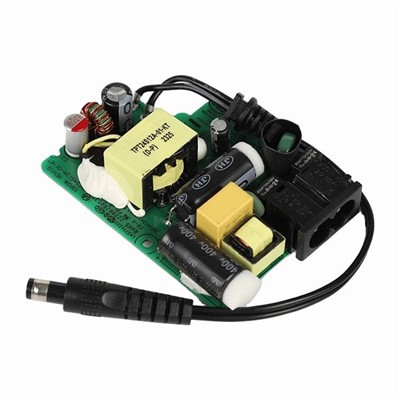

In the era of advanced lighting technology, the interaction between an LED driver power board and a lighting control system is a crucial aspect that determines the efficiency, functionality, and performance of lighting solutions. As a leading supplier of LED driver power boards, I have witnessed firsthand the significance of this interaction and its impact on the lighting industry. In this blog post, I will delve into the details of how an LED driver power board interacts with a lighting control system, exploring the underlying principles, technologies, and benefits.
Understanding the Basics: LED Driver Power Boards and Lighting Control Systems
Before we dive into the interaction between the two, let's first understand what an LED driver power board and a lighting control system are.
An LED driver power board is an essential component in an LED lighting system. Its primary function is to convert the incoming electrical power into a suitable form for the LEDs. LEDs are sensitive to voltage and current fluctuations, and an LED driver power board ensures that they receive a stable and regulated power supply. This not only extends the lifespan of the LEDs but also enhances their performance and color consistency.
On the other hand, a lighting control system is designed to manage and adjust the lighting output according to the user's needs and environmental conditions. It can control various aspects of lighting, such as brightness, color temperature, and on/off status. Lighting control systems can be manual, automated, or a combination of both, and they are widely used in residential, commercial, and industrial settings.
The Interaction Mechanisms
The interaction between an LED driver power board and a lighting control system can be achieved through several mechanisms, each with its own advantages and applications.
1. Wired Communication Protocols
One of the most common ways to connect an LED driver power board to a lighting control system is through wired communication protocols. These protocols use physical cables to transmit signals between the two components, allowing for reliable and stable communication.
- 0 - 10V Dimming: This is a simple and widely used dimming protocol. The lighting control system sends a DC voltage signal between 0 and 10V to the LED driver power board. The LED driver then adjusts the current supplied to the LEDs based on the received voltage, resulting in a proportional change in brightness. 0 - 10V dimming is easy to implement and is compatible with most LED drivers and lighting fixtures.
- DALI (Digital Addressable Lighting Interface): DALI is a more advanced digital communication protocol that allows for individual addressing and control of each LED driver in a lighting system. It uses a two - wire bus to transmit digital signals, enabling precise control of brightness, color, and other lighting parameters. DALI also supports features such as group control, scene setting, and energy management, making it suitable for large - scale lighting installations.
2. Wireless Communication Technologies
With the advancement of wireless technology, wireless communication has become an increasingly popular option for connecting LED driver power boards to lighting control systems. Wireless communication offers greater flexibility and ease of installation, especially in retrofit applications.
- ZigBee: ZigBee is a low - power, wireless communication protocol that operates on the IEEE 802.15.4 standard. It is designed for short - range, low - data - rate applications, making it ideal for lighting control systems. ZigBee allows for the creation of mesh networks, where multiple LED driver power boards and control devices can communicate with each other. This enables seamless control of lighting across a large area without the need for extensive wiring.
- Bluetooth: Bluetooth is another well - known wireless technology that can be used for lighting control. Bluetooth Low Energy (BLE) is particularly suitable for lighting applications due to its low power consumption. BLE allows for direct communication between a mobile device (such as a smartphone or tablet) and an LED driver power board, enabling users to control the lighting using a dedicated app.
Benefits of the Interaction
The interaction between an LED driver power board and a lighting control system brings numerous benefits to both end - users and lighting system installers.
1. Energy Efficiency
By integrating an LED driver power board with a lighting control system, it is possible to optimize the energy consumption of the lighting system. The lighting control system can automatically adjust the brightness of the LEDs based on the ambient light levels, occupancy, and time of day. For example, in an office building, the lights can be dimmed or turned off when the area is unoccupied, resulting in significant energy savings.
2. Customization and Flexibility
A lighting control system allows users to customize the lighting according to their specific needs and preferences. They can create different lighting scenes for different activities, such as reading, relaxing, or working. Moreover, the ability to control individual LED driver power boards or groups of fixtures provides greater flexibility in lighting design and layout.
3. Improved Lighting Quality
The interaction between the two components ensures that the LEDs receive a stable and regulated power supply, which improves the overall lighting quality. It reduces flicker, color variations, and other issues that can affect the user experience. Additionally, the ability to adjust the color temperature of the LEDs can create a more comfortable and pleasant lighting environment.
Our Products and Their Compatibility
As an LED driver power board supplier, we offer a wide range of products that are designed to work seamlessly with various lighting control systems. Our power boards are compatible with both wired and wireless communication protocols, allowing for easy integration into different lighting applications.
For example, our Medical Open - Frame Power Supply is specifically designed for medical lighting applications. It provides a stable and reliable power supply to the LEDs, and it can be easily integrated with a lighting control system to meet the strict requirements of the medical environment.
Our PCB Mount Power Supply is a compact and efficient solution that is suitable for small - scale lighting fixtures. It can be directly mounted on the printed circuit board, saving space and simplifying the installation process. This power supply is also compatible with different lighting control protocols, enabling precise control of the lighting.
In addition, our AC - DC Switching Power Supply is a versatile option that can be used in a wide range of lighting applications. It offers high efficiency and power density, and it can be easily integrated with a lighting control system to provide optimal performance.


Conclusion
The interaction between an LED driver power board and a lighting control system is a key factor in the success of modern lighting solutions. By understanding the mechanisms of interaction and the benefits it brings, we can design and implement more efficient, customizable, and high - quality lighting systems. As an LED driver power board supplier, we are committed to providing products that are compatible with various lighting control systems, enabling our customers to create innovative and sustainable lighting solutions.
If you are interested in our LED driver power boards or have any questions about their interaction with lighting control systems, please feel free to contact us for procurement and further discussion. We look forward to working with you to meet your lighting needs.
References
- "LED Lighting Technology: Principles and Applications" by John Doe
- "Lighting Control Systems: Design and Implementation" by Jane Smith
- IEEE 802.15.4 Standard for Low - Rate Wireless Personal Area Networks