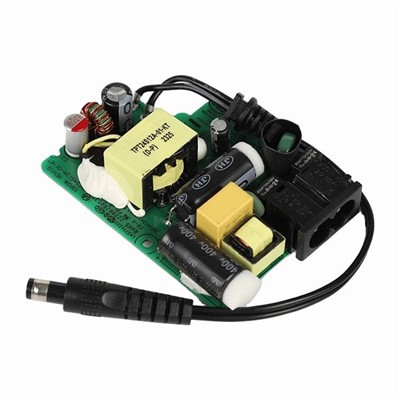

Hey there! As a supplier of LED Driver Power Boards, I've been getting a lot of questions lately about how the number of LEDs affects the performance of these power boards. So, I thought I'd take a deep dive into this topic and share some insights with you.

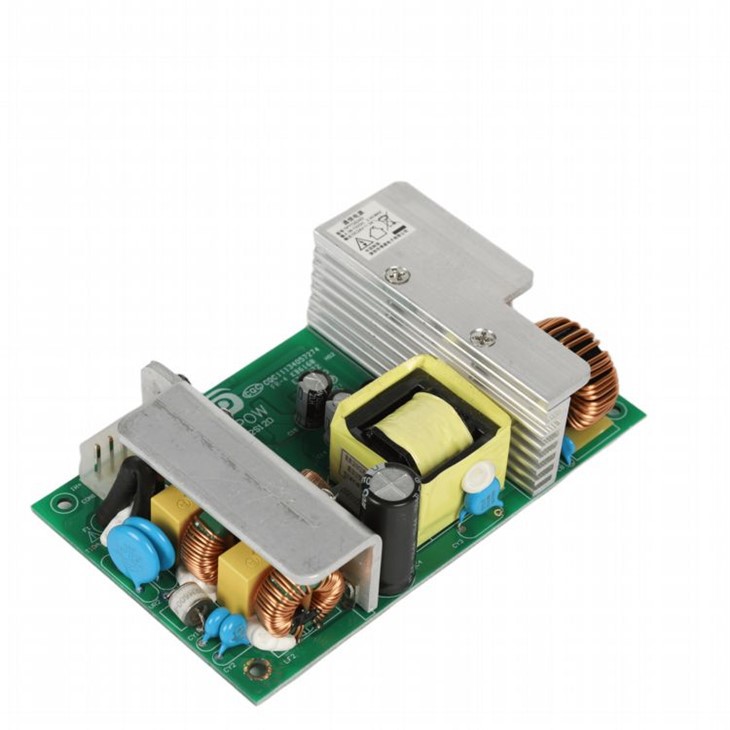
First off, let's understand the basics. An LED driver power board is like the heart of an LED lighting system. It's responsible for converting the incoming electrical power into the right voltage and current that the LEDs need to operate efficiently and safely. The number of LEDs in a system can have a significant impact on how well the power board performs.
Impact on Power Requirements
One of the most obvious ways the number of LEDs affects the power board is in terms of power requirements. Each LED has its own power consumption, usually measured in watts. When you add more LEDs to a system, the total power demand goes up. For example, if a single LED consumes 1 watt of power, then 10 LEDs will consume 10 watts. The power board needs to be able to supply this increased power without overheating or failing.
If the power board isn't designed to handle the additional load, it can lead to a variety of problems. The power board might overheat, which can not only reduce its lifespan but also pose a safety hazard. In some cases, the LEDs might not receive enough power, causing them to dim or flicker. This is why it's crucial to choose a power board that can handle the total power requirements of all the LEDs in the system.
Current and Voltage Regulation
Another important aspect is current and voltage regulation. LEDs are sensitive to changes in current and voltage. If the current is too high, it can cause the LEDs to burn out prematurely. On the other hand, if the current is too low, the LEDs won't reach their full brightness.
When you increase the number of LEDs, the power board needs to ensure that each LED receives the correct amount of current and voltage. This can be a challenge, especially if the LEDs are connected in a complex configuration. For example, in a series connection, the same current flows through all the LEDs, but the voltage is divided among them. In a parallel connection, the voltage across each LED is the same, but the current is divided.
A high - quality power board will have advanced current and voltage regulation circuits to handle these variations. It can adjust the output power to maintain a stable current and voltage for each LED, regardless of the number of LEDs in the system. This ensures that the LEDs operate at their optimal performance and have a longer lifespan.
Thermal Management
The number of LEDs also affects the thermal management of the power board. As LEDs consume power, they generate heat. More LEDs mean more heat generation. If the heat isn't dissipated properly, it can affect the performance of both the LEDs and the power board.
The power board needs to have effective heat - sinking and cooling mechanisms to handle the increased heat load. This might include heat sinks, fans, or other cooling devices. Without proper thermal management, the power board can overheat, which can lead to component failure and reduced efficiency.
For example, if the power board's temperature rises too high, the electrical components on the board can start to degrade. This can cause the power board to malfunction, leading to issues such as voltage fluctuations and reduced power output.
Efficiency and Power Factor
Efficiency and power factor are two important metrics when it comes to power boards. Efficiency refers to how well the power board converts the incoming electrical power into usable power for the LEDs. A more efficient power board will waste less energy as heat and will be more cost - effective in the long run.
The number of LEDs can impact the efficiency of the power board. A power board that is operating close to its maximum capacity might be less efficient than one that is operating at a lower load. This is because the internal losses in the power board increase as the load increases.
Power factor is another important consideration. It measures how effectively the power board uses the electrical power from the grid. A low power factor means that the power board is drawing more current from the grid than it actually needs, which can lead to higher electricity bills and increased stress on the electrical system.
When you have a large number of LEDs, it's important to choose a power board with a high efficiency and power factor. This ensures that the system operates cost - effectively and doesn't put unnecessary strain on the electrical infrastructure.
Compatibility with Different LED Configurations
LEDs can be connected in various configurations, such as series, parallel, or a combination of both. The number of LEDs and their configuration can affect how well the power board works.
For example, in a series connection, if one LED fails, it can break the circuit and cause all the other LEDs to go out. The power board needs to be able to handle such situations and protect the remaining LEDs. In a parallel connection, the power board needs to ensure that each LED receives the correct amount of current.
A good power board will be designed to be compatible with different LED configurations and can adapt to the number of LEDs in the system. It can provide stable power output regardless of how the LEDs are connected.
Our Solutions
At our company, we offer a wide range of LED Driver Power Boards that are designed to handle different numbers of LEDs. Our power boards are built with high - quality components and advanced technology to ensure optimal performance.
We have power boards with different power ratings, so you can choose the one that best suits your LED lighting system. Whether you have a small number of LEDs for a residential application or a large number of LEDs for a commercial or industrial project, we have a solution for you.
Our power boards also feature excellent current and voltage regulation, thermal management, and high efficiency. They are designed to be compatible with various LED configurations, providing a stable and reliable power supply for your LEDs.
If you're in the market for a Medical Open - Frame Power Supply, you can check out our product here: Medical Open-Frame Power Supply. For an AC - DC Switching Power Supply, visit AC-DC Switching Power Supply. And if you need a Regulated Switching Power Module, click on Regulated Switching Power Module.
Conclusion
In conclusion, the number of LEDs has a significant impact on the performance of an LED driver power board. It affects power requirements, current and voltage regulation, thermal management, efficiency, power factor, and compatibility with different LED configurations.
As a supplier, we understand the importance of providing high - quality power boards that can handle the challenges posed by different numbers of LEDs. If you're looking for a reliable LED Driver Power Board for your project, don't hesitate to get in touch with us. We can help you choose the right power board based on your specific requirements and ensure that your LED lighting system operates at its best.
References
- "LED Lighting Handbook" by some industry experts
- Technical papers on power electronics and LED drivers from well - known research institutions.