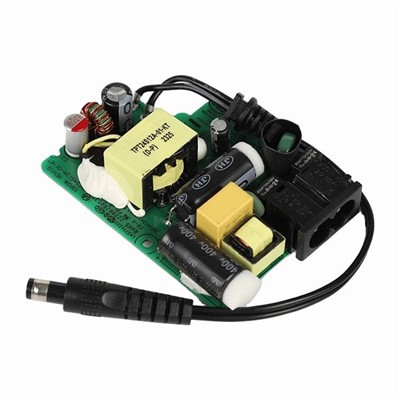

In the modern era, the demand for reliable and portable power sources has skyrocketed. Whether it's for outdoor adventures, emergency backup, or remote work, a portable energy storage system has become an essential companion. As a seasoned supplier of Portable Energy Storage solutions, I've witnessed firsthand the transformative power these systems bring to various scenarios. In this blog, we'll delve into the intricacies of how much power a portable energy storage system can provide and what factors influence this crucial aspect.
Understanding Power Ratings
Before we explore the power capabilities of portable energy storage systems, it's important to understand the key power ratings associated with them. The two primary metrics are wattage (W) and watt - hours (Wh). Wattage refers to the rate at which power is consumed or produced at a given moment. For example, a 100 - watt light bulb consumes 100 watts of power when it's turned on. On the other hand, watt - hours measure the total amount of energy consumed or stored over a period of time. A 100 - watt light bulb left on for one hour uses 100 watt - hours of energy.


Portable energy storage systems are typically rated in watt - hours to indicate their total energy storage capacity. This rating gives you an idea of how much energy the system can hold and, consequently, how long it can power different devices. For instance, a portable energy storage system with a capacity of 500 Wh can theoretically power a 100 - watt device for 5 hours (500 Wh / 100 W = 5 hours). However, in real - world scenarios, the actual runtime may be slightly less due to energy losses during the charging and discharging processes.
Factors Affecting Power Output
Several factors can influence how much power a portable energy storage system can provide:
Battery Capacity
The most obvious factor is the battery capacity of the system. Larger battery capacities generally mean more stored energy and, therefore, the ability to power devices for longer periods. For example, a high - end portable energy storage system might have a battery capacity of 2000 Wh or more, while a smaller, more compact unit could have a capacity of around 100 - 300 Wh. As a supplier, we offer a wide range of Portable Energy Storage solutions with varying battery capacities to meet different customer needs.
Device Power Requirements
The power requirements of the devices you want to power also play a significant role. High - power devices such as refrigerators, power tools, and electric heaters require a substantial amount of power to operate. A portable energy storage system needs to be able to supply the necessary wattage to start and run these devices. For example, a typical household refrigerator might require 100 - 200 watts to run, but it can draw up to 1000 watts during the startup phase. On the other hand, low - power devices like smartphones, tablets, and LED lights consume much less power, usually in the range of a few watts to tens of watts.
Inverter Efficiency
The inverter is a crucial component of a portable energy storage system as it converts the direct current (DC) stored in the battery into alternating current (AC) that can be used to power most household appliances. The efficiency of the inverter affects how much power is actually delivered to the devices. A more efficient inverter will waste less energy during the conversion process, allowing more of the stored energy to be used to power your devices. In general, high - quality inverters have an efficiency rating of around 85% - 95%.
Charging and Discharging Rates
The charging and discharging rates of the portable energy storage system can also impact its power output. Some systems are designed to charge and discharge at a faster rate, which can be beneficial if you need to quickly recharge the system or power high - power devices. However, rapid charging and discharging can also generate more heat and may reduce the overall lifespan of the battery. As a supplier, we ensure that our products are designed to balance charging and discharging rates for optimal performance and battery longevity.
Power Output Examples
Let's take a look at some common devices and how long a portable energy storage system can power them based on different capacities:
Smartphones and Tablets
Smartphones and tablets typically have relatively low power requirements, usually in the range of 5 - 15 watts. A 300 - watt - hour portable energy storage system can charge a smartphone with a 10 - watt power requirement approximately 30 times (300 Wh / 10 W = 30 hours of charging time, assuming 100% efficiency). Our 300w Portable Power Station is an ideal choice for keeping your mobile devices charged on the go.
LED Lights
LED lights are energy - efficient and consume very little power. A typical LED light bulb might use 5 - 10 watts. A 500 - watt - hour portable energy storage system can power a 10 - watt LED light for about 50 hours (500 Wh / 10 W = 50 hours).
Refrigerators
As mentioned earlier, refrigerators have higher power requirements. A small portable refrigerator might require 50 - 100 watts to run. A 1000 - watt - hour portable energy storage system can power a 50 - watt refrigerator for approximately 20 hours (1000 Wh / 50 W = 20 hours). However, keep in mind that the startup surge can be much higher, so you need to ensure that the power station can handle the initial load.
Safety and Certification
When dealing with portable energy storage systems, safety is of utmost importance. Our products are equipped with various safety features such as over - charge protection, over - discharge protection, short - circuit protection, and temperature control. Additionally, we provide a Fire Suppression Sticker on our products to enhance safety in case of any unforeseen circumstances. All our portable energy storage systems comply with relevant international safety standards and certifications, giving you peace of mind when using our products.
Contact Us for Procurement
If you're in the market for a portable energy storage system, we're here to help. Our team of experts can assist you in choosing the right system based on your specific power requirements, budget, and usage scenarios. Whether you need a small, lightweight power station for camping trips or a high - capacity system for emergency backup at home, we have the perfect solution for you. Contact us today to start the procurement process and find out how our portable energy storage systems can meet your power needs.
References
- "Battery Technology Handbook" by Thomas B. Reddy
- "Renewable Energy Systems and Applications" by John Twidell and Tony Weir
- Industry reports on portable energy storage systems from leading market research firms.