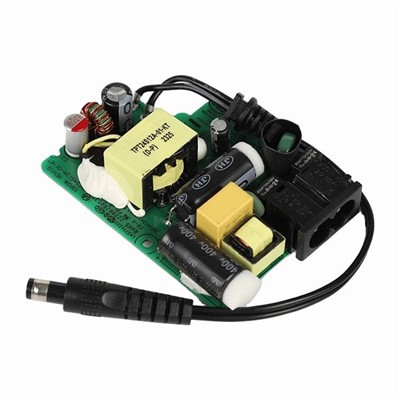

Hey there! If you're here, chances are you've got a desktop and you're scratching your head about how to connect that power adapter. Well, you're in the right place. I'm from a desktop power adapter supplier, so I've seen it all and I'm here to walk you through the whole process.
First off, let's talk a bit about the power adapter itself. We've got different types of adapters for different needs. For your daily use, we have the Daily Use Desktop Power Adapter. It's designed to keep your regular desktop running smoothly throughout the day. Whether you're just checking emails, browsing the web, or working on some documents, this adapter has got your back.
Then, if you're a gamer, we've got something special for you - the Gaming PC Adapter. Gaming rigs need a lot more power because they've got high - end graphics cards, multiple fans, and other power - hungry components. This adapter is beefed up to handle all that extra load and ensure you have a seamless gaming experience without any power - related glitches.
And if you're also using a Wi - Fi router with your desktop, we offer the Wifi Router Power Adapter. It's important to have a stable power supply for your router so that you can stay connected to the internet all the time.
Now, let's get into the nitty - gritty of connecting the power adapter to your computer.
Step 1: Check the Compatibility
Before you start plugging anything in, you need to make sure that the power adapter you have is compatible with your desktop. Check the voltage and current ratings on the back of your desktop case. These ratings are usually printed on a label. Then, look at the ratings on your power adapter. The voltage on the adapter should match the voltage required by your desktop. For example, if your desktop needs 12V, the adapter should also output 12V. The current rating on the adapter should be equal to or greater than what your desktop needs. If the current rating is too low, the adapter won't be able to supply enough power, and your desktop might not turn on or could shut down unexpectedly.
Step 2: Gather Your Tools
You don't really need a lot of tools for this job. All you'll need is a Phillips - head screwdriver if your desktop case has screws that need to be removed. And of course, make sure your desktop is turned off and unplugged from the wall outlet. Safety first, folks!
Step 3: Locate the Power Supply Connector on Your Desktop
Open the side panel of your desktop case. If it's a tower - style desktop, you'll usually find the power supply at the back, near the top or bottom. There will be a large, rectangular connector coming out of the power supply unit. This is where you'll connect the power adapter.
Step 4: Connect the Power Adapter
Take the power adapter and locate the connector that matches the one on your desktop's power supply unit. Most power adapters have a keyed connector, which means it can only be plugged in one way. Align the connector on the adapter with the connector on the desktop and gently push them together until they click into place. Make sure the connection is secure. If it's loose, your desktop might not receive power properly.
Step 5: Close the Desktop Case
Once the power adapter is connected, carefully put the side panel back on your desktop case. If there are screws, use your Phillips - head screwdriver to tighten them. But don't over - tighten the screws, or you could damage the case.


Step 6: Plug the Adapter into the Wall Outlet
Now that everything is connected inside the case, it's time to plug the power adapter into the wall outlet. Make sure the outlet is working. You can test it by plugging in a small device like a lamp.
Step 7: Power On Your Desktop
Finally, press the power button on your desktop. If everything was done correctly, your desktop should start up. If it doesn't, double - check all the connections. Make sure the power adapter is plugged in properly to both the desktop and the wall outlet.
There you have it! You've successfully connected your desktop power adapter. But what if you run into some problems?
Troubleshooting
- No Power: If your desktop doesn't turn on, first check if the power adapter is getting power from the wall outlet. You can use a voltage tester to check the outlet. If the outlet is fine, then check the connection between the adapter and the desktop. Make sure the connector is fully seated.
- Overheating: If your desktop starts to overheat after connecting the new adapter, it could be because the adapter is not providing enough power. Check the ratings again to make sure it's compatible. Or it could be a problem with the cooling system in your desktop.
- Strange Noises: If you hear strange noises coming from the power adapter or the desktop, turn off the computer immediately and unplug the adapter. This could be a sign of a short circuit or other electrical problem.
We understand that every customer's situation is unique, and you might have specific requirements for your desktop power adapter. Whether you're a small business owner looking to power multiple desktops or an individual gamer wanting the best performance, we've got you covered.
If you're interested in purchasing our high - quality desktop power adapters or have any questions about them, don't hesitate to reach out. We're always happy to have a chat and help you find the perfect adapter for your needs. Let's start a conversation about your power adapter requirements and see how we can work together to keep your desktops running smoothly.
References
- CompTIA A+ Certification Study Guide. This guide has a lot of great information about computer hardware, including power supplies and power adapters.
- Desktop Computer Repair Manuals. Many manufacturers provide detailed manuals that can be very helpful when it comes to understanding and working with your desktop's power system.