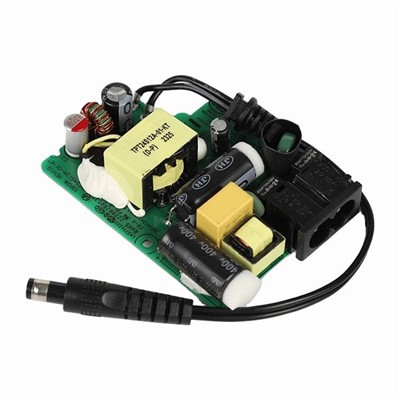

Connecting an electrical scooter charger to the scooter is a fundamental process that every electric scooter owner should master. As a leading supplier of Electrical Scooter Chargers, I've witnessed firsthand the importance of proper charger connection. In this blog, I'll guide you through the step - by - step process of connecting the charger to your scooter, while also highlighting some key points to keep in mind.
Step 1: Check the Compatibility
Before you even attempt to connect the charger to your scooter, it's crucial to ensure that the charger is compatible with your scooter's battery. Different scooters have different battery requirements in terms of voltage and amperage. Using an incompatible charger can not only damage your scooter's battery but also pose a safety risk.
Our company offers a wide range of chargers to meet various scooter battery needs. For example, the Portable Ebike Battery Charger is a great option for those who need a portable and convenient charging solution. It's designed to be lightweight and easy to carry, making it ideal for on - the - go charging.
The 100A Battery Charger is suitable for high - capacity batteries that require a fast charging rate. If your scooter has a large battery, this charger can significantly reduce the charging time. And the 58V Battery Charger is specifically designed for scooters with 58V batteries, ensuring a proper and safe charging process.
Step 2: Prepare the Charger and the Scooter
Once you've confirmed the compatibility of the charger, it's time to prepare both the charger and the scooter for the connection. First, make sure the charger is unplugged from the power source. This is a basic safety precaution to prevent any electrical shock or short - circuit during the connection process.
Next, locate the charging port on your scooter. The charging port is usually located near the battery or on the side of the scooter frame. It may be covered by a protective cap to prevent dust and moisture from entering. Remove the cap gently and check the port for any debris or damage. If there is any dirt or debris, use a clean, dry cloth to wipe it away.
Step 3: Connect the Charger to the Scooter
Now comes the actual connection. Take the charger's plug and align it with the charging port on the scooter. Make sure the plug fits snugly into the port. Some chargers have a locking mechanism to ensure a secure connection. If your charger has one, engage the lock to prevent the plug from accidentally coming loose during the charging process.
It's important to note that you should handle the charger and the plug with care. Avoid bending or twisting the cord, as this can damage the internal wires and affect the charging performance. Also, do not force the plug into the port if it doesn't fit properly. This may indicate that you have the wrong charger or there is an issue with the port.


Step 4: Plug the Charger into the Power Source
After successfully connecting the charger to the scooter, it's time to plug the charger into a power outlet. Choose a grounded outlet that can provide a stable power supply. Avoid using extension cords or power strips that are overloaded, as this can lead to voltage fluctuations and potentially damage the charger or the scooter's battery.
Once you've plugged in the charger, you should see an indicator light on the charger. This light usually shows the charging status. A solid green light may indicate that the battery is fully charged, while a blinking red light may mean that the battery is still charging. Refer to the charger's manual for the specific meaning of the indicator lights.
Step 5: Monitor the Charging Process
While the scooter is charging, it's important to monitor the process. Do not leave the charger unattended for an extended period, especially overnight. Overcharging can damage the battery and reduce its lifespan. Most modern chargers are equipped with over - charge protection, but it's still a good practice to keep an eye on the charging process.
Check the charger and the scooter periodically for any signs of overheating, strange noises, or smoke. If you notice any of these issues, immediately unplug the charger from the power source and disconnect it from the scooter. Contact a professional technician to inspect the charger and the scooter.
Step 6: Disconnect the Charger
Once the battery is fully charged, it's time to disconnect the charger. First, unplug the charger from the power outlet. Then, carefully remove the charger's plug from the scooter's charging port. Replace the protective cap on the port to keep it clean and protected.
Safety Precautions
When connecting and using an electrical scooter charger, safety should always be your top priority. Here are some additional safety precautions to keep in mind:
- Do not charge the scooter in a wet or damp environment. This can increase the risk of electrical shock and damage to the charger and the battery.
- Keep the charger and the scooter away from flammable materials. Charging can generate heat, and if there are flammable materials nearby, it can pose a fire hazard.
- Do not attempt to modify the charger or the charging port. This can void the warranty and may also create a safety risk.
Conclusion
Connecting an electrical scooter charger to the scooter is a relatively simple process if you follow the steps outlined above. As a supplier of Electrical Scooter Chargers, we are committed to providing high - quality chargers that are safe, reliable, and compatible with a wide range of scooters.
If you have any questions about our chargers or need help with the charging process, feel free to reach out to us. We are always here to assist you in finding the right charging solution for your scooter. Whether you're looking for a portable charger or a high - amperage charger, we have the products to meet your needs. Contact us today to start a procurement discussion and take your scooter charging experience to the next level.
References
- Electrical Scooter User Manuals
- Charger Manufacturer's Specifications
- Industry Standards for Electric Scooter Charging