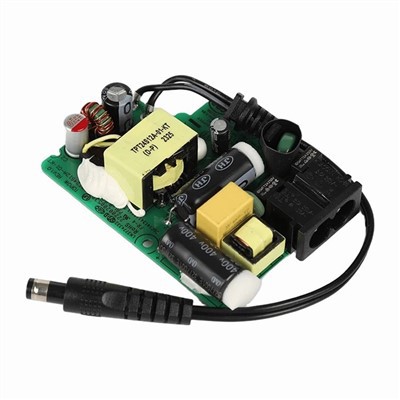

Hey there! As a supplier of LED Driver Power Boards, I've seen firsthand how crucial proper heat dissipation is for these boards. LEDs are great, but they generate heat, and if that heat isn't managed well, it can seriously mess with the performance and lifespan of the LED driver power board. So, in this blog, I'm gonna share some tips on how to ensure proper heat dissipation for an LED driver power board.
Why Heat Dissipation Matters
First off, let's talk about why heat dissipation is such a big deal. When an LED driver power board operates, it converts electrical energy into light energy. But not all the energy gets converted into light; some of it turns into heat. If this heat builds up, it can cause the components on the board to overheat. Overheating can lead to a bunch of problems, like reduced efficiency, shorter lifespan of the components, and even complete failure of the power board. So, keeping the heat in check is essential for the reliable operation of the LED driver power board.
Design Considerations
One of the first steps in ensuring proper heat dissipation is to consider it during the design phase. Here are some design factors to keep in mind:
Component Placement
The way you place components on the LED driver power board can have a big impact on heat dissipation. Try to separate heat-generating components from sensitive ones. For example, place high-power resistors and transistors away from temperature-sensitive integrated circuits. This helps prevent the heat from the high-power components from affecting the performance of the sensitive ones.
PCB Layout
The layout of the printed circuit board (PCB) also plays a crucial role in heat dissipation. Use a thick copper layer for the power traces to reduce resistance and minimize heat generation. Additionally, consider using thermal vias to transfer heat from the top layer of the PCB to the bottom layer. Thermal vias are small holes filled with copper that act as heat conductors. They can significantly improve the heat dissipation efficiency of the PCB.
Heat Sinks
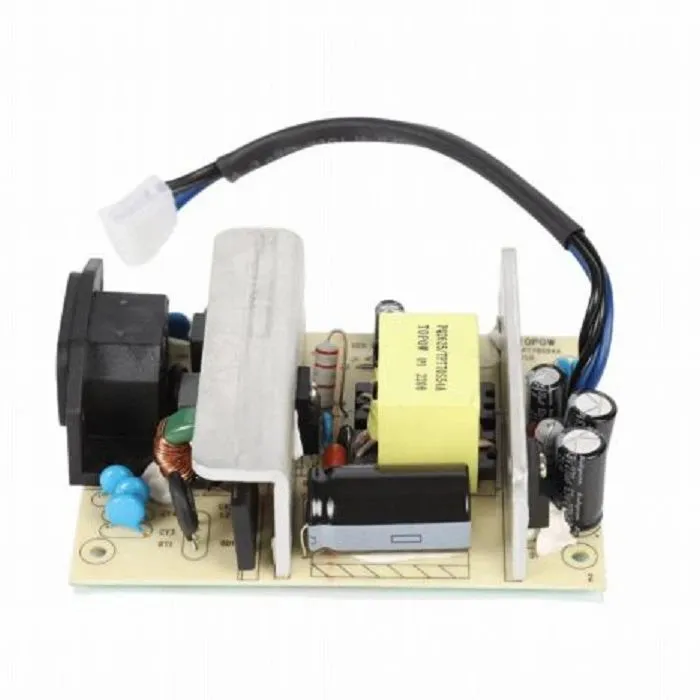
Heat sinks are a common and effective way to dissipate heat from the LED driver power board. A heat sink is a device that increases the surface area of the component it's attached to, allowing more heat to be transferred to the surrounding air. When choosing a heat sink, make sure it has a high thermal conductivity and a large surface area. You can attach the heat sink to the heat-generating components, such as the power transistors, using thermal paste to improve the heat transfer between the component and the heat sink.
Cooling Methods
In addition to design considerations, there are several cooling methods you can use to ensure proper heat dissipation of the LED driver power board. Here are some common cooling methods:
Natural Convection
Natural convection is the simplest and most cost-effective cooling method. It relies on the natural movement of air to carry away the heat from the LED driver power board. To enhance natural convection, make sure there is enough space around the power board for air to flow freely. You can also use fins or other structures on the PCB to increase the surface area and improve the heat transfer to the air.
Forced Air Cooling
If natural convection isn't enough to keep the temperature of the LED driver power board under control, you can use forced air cooling. Forced air cooling involves using a fan to blow air over the power board, increasing the rate of heat transfer. When using a fan, make sure it's properly sized and positioned to provide adequate airflow over the heat-generating components. You can also use a duct or shroud to direct the airflow to the areas that need it most.
Liquid Cooling
Liquid cooling is a more advanced cooling method that can provide even better heat dissipation than forced air cooling. It involves using a liquid, such as water or a coolant, to transfer heat away from the LED driver power board. Liquid cooling systems typically consist of a pump, a radiator, and a heat exchanger. The pump circulates the liquid through the heat exchanger, which is attached to the heat-generating components on the power board. The heat from the components is transferred to the liquid, which then flows to the radiator, where it is cooled by the surrounding air.
Thermal Management Materials
Using the right thermal management materials can also help improve the heat dissipation of the LED driver power board. Here are some common thermal management materials:
Thermal Paste
Thermal paste is a compound that is used to fill the microscopic gaps between the heat-generating component and the heat sink. It has a high thermal conductivity and helps improve the heat transfer between the component and the heat sink. When applying thermal paste, make sure to use a thin and even layer to avoid creating air pockets, which can reduce the heat transfer efficiency.
Thermal Pads
Thermal pads are similar to thermal paste, but they are pre-cut sheets of material that can be easily placed between the component and the heat sink. Thermal pads are convenient to use and can provide good thermal conductivity. However, they may not be as effective as thermal paste in filling the microscopic gaps between the component and the heat sink.
Phase Change Materials
Phase change materials (PCMs) are substances that can absorb and release large amounts of heat during a phase change, such as melting or solidifying. PCMs can be used to store and release heat, helping to regulate the temperature of the LED driver power board. For example, you can use a PCM in a heat sink to absorb the heat from the component during operation and release it when the temperature drops.
Testing and Monitoring
Once the LED driver power board is designed and assembled, it's important to test and monitor its heat dissipation performance. Here are some testing and monitoring methods:
Thermal Imaging
Thermal imaging is a non-contact method that uses an infrared camera to measure the temperature distribution of the LED driver power board. It can help you identify hot spots on the board and determine if the heat dissipation measures are effective. By using thermal imaging, you can make adjustments to the design or cooling system as needed to improve the heat dissipation performance.
Temperature Sensors
Temperature sensors can be used to monitor the temperature of the LED driver power board in real-time. You can place temperature sensors on the heat-generating components or at critical points on the PCB to measure the temperature. This allows you to detect any abnormal temperature increases and take corrective action before it causes damage to the power board.

Conclusion
Proper heat dissipation is essential for the reliable operation of the LED driver power board. By considering design factors, using appropriate cooling methods, and using the right thermal management materials, you can ensure that the LED driver power board operates at a safe temperature and has a long lifespan. Remember to test and monitor the heat dissipation performance of the power board to make sure it meets the requirements.
If you're interested in purchasing high-quality LED Driver Power Boards, or need more information about heat dissipation solutions, feel free to reach out to us for a purchase negotiation. We're always here to help you find the best solutions for your LED lighting projects.
References
- "Thermal Management of Electronic Systems" by Avram Bar-Cohen and Ali Boroushaki
- "LED Lighting Technology: Applications and Future Trends" by John A. Reilly
AC-DC Switching Power Supply
PCB Mount Power Supply
LED Driver Power Board