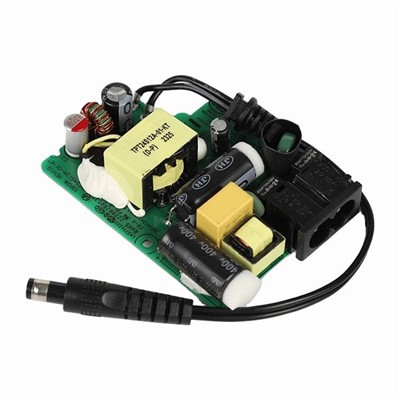

Energy storage has emerged as a critical component in the modern energy landscape, driven by a multitude of economic incentives. As a supplier in the energy storage industry, I've witnessed firsthand the growing demand for energy storage solutions and the economic forces propelling this growth. In this blog post, I'll delve into the key economic incentives for energy storage deployment and how our company is well - positioned to meet the market's needs.
Peak Shaving and Load Management
One of the primary economic incentives for energy storage deployment is peak shaving. In many electricity markets, utility companies charge higher rates during peak demand periods. These peak periods typically occur during the hottest hours of the day in summer or the coldest hours in winter when the demand for air - conditioning or heating is at its highest.
Energy storage systems can store electricity during off - peak hours when the electricity prices are low and discharge it during peak hours. This allows commercial and industrial customers to reduce their peak demand charges. For example, a large manufacturing facility can use an energy storage system to power its operations during peak hours, thereby avoiding the high - cost electricity from the grid. The savings on peak demand charges can be substantial over time, making energy storage a cost - effective investment.
Our company offers a range of energy storage solutions suitable for peak shaving and load management. Our Portable Energy Storage units are flexible and can be easily deployed in various settings. They can be charged during off - peak hours and used to supplement the power supply during peak demand, helping customers save on their electricity bills.
Frequency Regulation and Grid Stability
The integration of renewable energy sources such as solar and wind into the grid has introduced new challenges for grid stability. Renewable energy generation is intermittent, meaning it depends on weather conditions. This intermittency can cause fluctuations in the frequency of the electricity grid.
Energy storage systems can play a crucial role in frequency regulation. They can quickly absorb or inject power into the grid to maintain a stable frequency. Grid operators often pay energy storage providers for frequency regulation services. This creates a revenue stream for energy storage owners.
For instance, when the grid frequency is too high, an energy storage system can absorb the excess power. Conversely, when the frequency is too low, it can inject power into the grid. Our advanced energy storage technologies are designed to respond rapidly to frequency changes, making them ideal for frequency regulation services. By participating in frequency regulation markets, our customers can earn additional income while contributing to grid stability.
Backup Power and Resilience
Power outages can have significant economic impacts on businesses and households. For businesses, a power outage can lead to lost production, damaged equipment, and dissatisfied customers. Households may experience inconvenience and safety risks during power outages.
Energy storage systems can provide backup power during outages. They can be designed to automatically switch on when the grid power fails, ensuring continuous operation of critical equipment. This is particularly important for data centers, hospitals, and other facilities that require uninterrupted power supply.
Our LiFePO4 Portable Power Station is an excellent solution for backup power. It uses lithium iron phosphate (LiFePO4) batteries, which are known for their long cycle life, high safety, and stable performance. These power stations can be used to power essential appliances and equipment during power outages, providing peace of mind to our customers.
Renewable Energy Integration
As the world moves towards a more sustainable energy future, the share of renewable energy in the electricity mix is increasing. However, the intermittent nature of renewable energy sources poses challenges for their large - scale integration into the grid.
Energy storage can address these challenges by storing excess renewable energy when it is available and releasing it when the demand is high or when renewable generation is low. This allows for a more efficient use of renewable energy resources and reduces the need for fossil - fuel - based backup power.
For example, during a sunny day, a solar power plant may generate more electricity than is immediately needed. An energy storage system can store this excess solar energy and release it at night or during cloudy days. This not only increases the overall utilization of solar energy but also reduces the carbon footprint of the electricity system.
Our energy storage solutions are compatible with various renewable energy sources, including solar and wind. By integrating our energy storage systems with renewable energy installations, customers can maximize the benefits of renewable energy and contribute to a greener planet.
Cost - Reduction through Economies of Scale
As the demand for energy storage increases, the industry is experiencing economies of scale. The cost of energy storage technologies, such as batteries, has been declining steadily over the past few years. This cost reduction is driven by factors such as increased production volume, technological advancements, and improved manufacturing processes.
As a large - scale energy storage supplier, we are able to take advantage of these economies of scale. We can offer our customers high - quality energy storage solutions at competitive prices. Our purchasing power allows us to source raw materials at lower costs, and our efficient manufacturing processes ensure that we can produce energy storage systems at a large scale without compromising on quality.
Fire Safety and Compliance
In addition to the economic benefits, energy storage systems also need to meet strict safety and compliance standards. Fire safety is a major concern in energy storage, especially for battery - based systems.
Our company is committed to ensuring the highest level of fire safety in our energy storage products. We provide Fire Suppression Sticker on our products, which is an important safety feature. These stickers are designed to quickly detect and suppress fires in the event of a battery malfunction. By complying with fire safety regulations, our customers can avoid potential legal and financial liabilities associated with fire incidents.


Conclusion
The economic incentives for energy storage deployment are numerous and diverse. From peak shaving and load management to frequency regulation, backup power, renewable energy integration, and cost - reduction through economies of scale, energy storage offers significant benefits for both customers and the grid.
As an energy storage supplier, we are dedicated to providing our customers with innovative and reliable energy storage solutions. Our products are designed to meet the specific needs of different applications and industries, and we are committed to ensuring the highest level of safety and performance.
If you are interested in learning more about our energy storage solutions or would like to discuss a potential procurement, we encourage you to reach out to us. Our team of experts is ready to assist you in finding the best energy storage solution for your needs.
References
- "Energy Storage for the Electric Grid: Benefits and Market Potential Assessment Guide", U.S. Department of Energy.
- "The Economics of Energy Storage", BloombergNEF.
- "Grid - Scale Energy Storage Technologies: A Review", Journal of Power Sources.