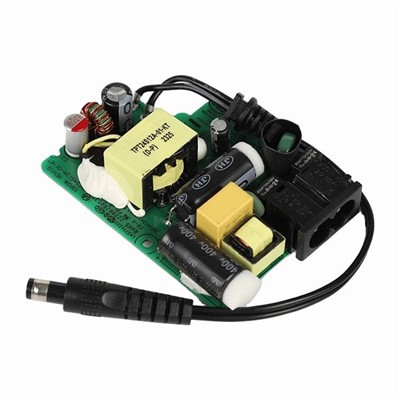

As a supplier specializing in AC adapters for PCs, I've witnessed firsthand the critical role these components play in powering modern computing devices. One aspect that often goes unnoticed but is of utmost importance is electromagnetic interference (EMI). In this blog post, I'll delve into the electromagnetic interference characteristics of AC adapters for PCs, exploring what causes it, its potential impacts, and how we address these issues in our products.
Understanding Electromagnetic Interference
Electromagnetic interference refers to the disruption of the normal operation of electronic devices caused by electromagnetic radiation. In the context of AC adapters for PCs, EMI can be generated during the conversion of alternating current (AC) from the power outlet to direct current (DC) that the PC can use. This conversion process involves complex electrical circuits, such as transformers, rectifiers, and switching regulators, which can produce electromagnetic fields that interfere with other nearby electronic devices.
There are two main types of EMI: conducted and radiated. Conducted EMI is transmitted through electrical conductors, such as power cords and cables, while radiated EMI is emitted into the air as electromagnetic waves. Both types of EMI can cause problems for other electronic devices, such as radios, televisions, and other computers, leading to issues such as static, noise, and malfunctions.
Causes of Electromagnetic Interference in AC Adapters for PCs
Several factors contribute to the generation of EMI in AC adapters for PCs. One of the primary causes is the switching action of the power converter. In modern AC adapters, switching regulators are commonly used to convert the AC input to DC output. These regulators operate by rapidly switching the electrical current on and off, which can generate high-frequency electromagnetic fields. The faster the switching frequency, the higher the likelihood of generating EMI.
Another factor that can contribute to EMI is the design of the power transformer. Transformers are used to step down the voltage from the power outlet to a level suitable for the PC. However, the magnetic fields generated by the transformer can also radiate EMI. Poorly designed transformers or those with inadequate shielding can exacerbate this problem.
In addition, the quality of the components used in the AC adapter can also affect EMI levels. Low-quality capacitors, inductors, and other components may not be able to filter out high-frequency noise effectively, leading to increased EMI emissions.
Impacts of Electromagnetic Interference
The impacts of EMI on other electronic devices can vary depending on the severity of the interference and the sensitivity of the affected device. In some cases, EMI may cause minor annoyances, such as static or noise on a radio or television. However, in more severe cases, it can lead to malfunctions or even permanent damage to electronic devices.
For example, EMI can interfere with the operation of wireless communication devices, such as Wi-Fi routers and Bluetooth devices, causing dropped connections or reduced signal strength. It can also affect the performance of medical equipment, such as pacemakers and defibrillators, posing a serious risk to patient safety.
In addition to affecting other electronic devices, EMI can also have an impact on the performance of the PC itself. High levels of EMI can cause instability in the power supply, leading to system crashes, data loss, and other issues.
Addressing Electromagnetic Interference in AC Adapters for PCs
As a supplier of AC Adapter For Pc, we take the issue of EMI very seriously. We employ a variety of techniques to minimize EMI emissions in our products, ensuring that they meet or exceed international standards for electromagnetic compatibility (EMC).
One of the key strategies we use is the use of high-quality components. We source our components from reputable manufacturers and conduct rigorous testing to ensure that they meet our strict quality standards. By using high-quality capacitors, inductors, and other components, we can effectively filter out high-frequency noise and reduce EMI emissions.
In addition, we pay close attention to the design of our AC adapters. We use advanced circuit design techniques to minimize the generation of EMI, such as the use of shielded transformers and printed circuit boards with proper grounding and layout. We also employ EMI filters and shielding materials to further reduce EMI emissions.
Another important aspect of our approach to EMI is testing and certification. We conduct extensive testing on our products to ensure that they meet the relevant EMC standards, such as the FCC Part 15 and CE EMC directives. By obtaining these certifications, we can provide our customers with the assurance that our products are safe and reliable.


Specific Examples of Our EMI Mitigation Efforts
Let's take a closer look at some of the specific measures we take to address EMI in our 50w Power Adapter and Home Use Desktop Power Adapter.
In our 50w Power Adapter, we use a high-quality switching regulator with a low switching frequency to minimize the generation of EMI. We also employ a shielded transformer and EMI filters to further reduce EMI emissions. In addition, we use a printed circuit board with a proper grounding and layout to ensure that the electrical currents are properly managed and that EMI is minimized.
Our Home Use Desktop Power Adapter is designed with similar EMI mitigation techniques. We use high-quality components and advanced circuit design to minimize the generation of EMI. We also employ shielding materials and EMI filters to reduce radiated and conducted EMI emissions. In addition, we conduct extensive testing on our Home Use Desktop Power Adapter to ensure that it meets the relevant EMC standards, providing our customers with a safe and reliable power solution for their home computers.
Conclusion and Call to Action
In conclusion, electromagnetic interference is a significant issue that can affect the performance and reliability of AC adapters for PCs and other electronic devices. As a supplier of AC adapters for PCs, we are committed to addressing this issue by using high-quality components, advanced circuit design techniques, and rigorous testing and certification.
If you're in the market for a reliable and high-quality AC adapter for your PC, we invite you to explore our range of products. Our AC Adapter For Pc, 50w Power Adapter, and Home Use Desktop Power Adapter are designed to meet the highest standards of quality and performance, while minimizing EMI emissions.
We're always happy to discuss your specific requirements and provide you with more information about our products. Whether you're a small business owner, a home user, or a large corporation, we have the expertise and experience to provide you with the right power solution for your needs. Contact us today to start a conversation about your power adapter requirements and let us help you find the perfect solution for your PC.
References
- International Electrotechnical Commission (IEC). Electromagnetic compatibility (EMC) - Part 3-2: Limits - Limits for harmonic current emissions (equipment input current ≤ 16 A per phase).
- Federal Communications Commission (FCC). Code of Federal Regulations, Title 47, Part 15 - Radio Frequency Devices.
- European Union. Directive 2014/30/EU on the harmonization of the laws of the Member States relating to electromagnetic compatibility.