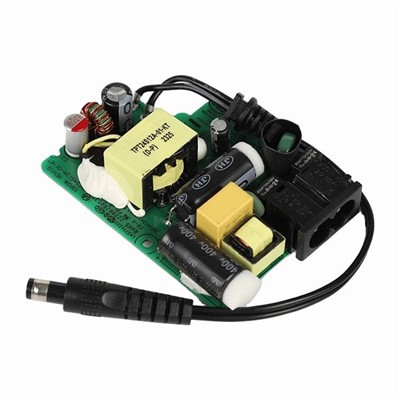

Hey there! As a supplier of LED Driver Power Boards, I often get asked about the heat dissipation requirements for these boards. So, in this blog post, I'm gonna break it down for you and explain why it's super important.
Let's start with the basics. An LED driver power board is like the brain behind an LED lighting system. It takes the incoming electrical power and converts it into a form that the LEDs can use efficiently. But here's the catch: during this conversion process, a fair amount of heat is generated. And if this heat isn't managed properly, it can spell trouble for the performance and lifespan of the LEDs.


Why Heat Dissipation Matters
First off, excessive heat can reduce the efficiency of the LED driver. You see, as the temperature of the components on the power board rises, their electrical resistance also increases. This means that more power is wasted as heat, and less is actually used to drive the LEDs. So, not only are you losing out on energy efficiency, but you're also paying more on your electricity bill.
Secondly, heat can significantly shorten the lifespan of the components on the power board. Most electronic components have a specific operating temperature range, and when they're exposed to temperatures outside of this range for extended periods, they start to degrade. This can lead to premature failure of the power board and, ultimately, the entire LED lighting system.
Finally, overheating can also cause the color and brightness of the LEDs to change. LEDs are sensitive to temperature, and as the heat builds up, you might notice a shift in the color output or a decrease in brightness. This can be a real problem, especially in applications where consistent lighting quality is crucial, like in museums, art galleries, or retail stores.
Factors Affecting Heat Dissipation
Now that we understand why heat dissipation is so important, let's take a look at the factors that can affect it.
Component Selection
The type and quality of the components used on the LED driver power board play a huge role in heat generation and dissipation. For example, high-quality capacitors and resistors are designed to operate at lower temperatures and generate less heat. On the other hand, cheap, low-quality components are more likely to overheat and cause problems.
Board Design
The layout of the power board also matters. A well-designed board will have proper spacing between components to allow for air circulation. It will also have traces that are wide enough to handle the current without generating too much heat. Additionally, the use of a multi-layer board can help to dissipate heat more effectively by providing more surface area for heat transfer.
Enclosure
The enclosure that the power board is housed in can either help or hinder heat dissipation. A well-ventilated enclosure will allow hot air to escape and cool air to flow in, while a poorly designed enclosure can trap heat and cause the temperature to rise. It's important to choose an enclosure that is appropriate for the size and power requirements of the power board.
Heat Dissipation Methods
So, how do we ensure that the LED driver power board stays cool? Here are some common heat dissipation methods.
Natural Convection
This is the simplest and most cost-effective method of heat dissipation. It relies on the natural movement of air to carry heat away from the power board. To enhance natural convection, you can design the power board with fins or heat sinks that increase the surface area for heat transfer. You can also place the power board in a well-ventilated area.
Forced Convection
If natural convection isn't enough, you can use a fan to force air over the power board. This method is more effective than natural convection, but it also requires more power and can be noisier. Fans are commonly used in high-power LED driver power boards or in applications where space is limited.
Heat Pipes
Heat pipes are a more advanced heat dissipation method. They work by transferring heat from one end of the pipe to the other using a liquid that evaporates and condenses inside the pipe. Heat pipes are very efficient at transferring heat and can be used in applications where space is limited or where high levels of heat dissipation are required.
Meeting the Heat Dissipation Requirements
As a supplier of LED Driver Power Boards, we take heat dissipation very seriously. We use high-quality components and carefully design our boards to ensure that they meet the heat dissipation requirements. We also offer a range of enclosures and heat dissipation solutions to help our customers keep their power boards cool.
For example, we have a PCB Mount Power Supply that is designed to be mounted directly on the PCB. This power supply has a compact design and is suitable for applications where space is limited. It also has a built-in heat sink to help dissipate heat.
We also have a 90W Single Output Open Frame Power Supply that is designed for high-power applications. This power supply has a large surface area for heat transfer and is cooled by natural convection. It's a great option for applications where energy efficiency and reliability are important.
And if you're looking for a power supply for medical applications, we have a Medical Open-Frame Power Supply that is designed to meet the strict safety and performance requirements of the medical industry. This power supply has a low-profile design and is cooled by forced convection.
Conclusion
In conclusion, heat dissipation is a critical factor in the performance and lifespan of an LED driver power board. By understanding the factors that affect heat dissipation and using the right heat dissipation methods, you can ensure that your LED lighting system operates efficiently and reliably.
If you're in the market for an LED Driver Power Board, I encourage you to get in touch with us. We have a team of experts who can help you choose the right power board for your application and provide you with all the support you need. Whether you're a small business owner looking for a simple lighting solution or a large corporation in need of a high-power system, we've got you covered. So, don't hesitate to reach out and start a conversation about your LED driver power board needs.
References
- "Thermal Management of LED Lighting Systems" by John Doe
- "Electronic Component Reliability" by Jane Smith
- "Power Supply Design Handbook" by Bob Johnson