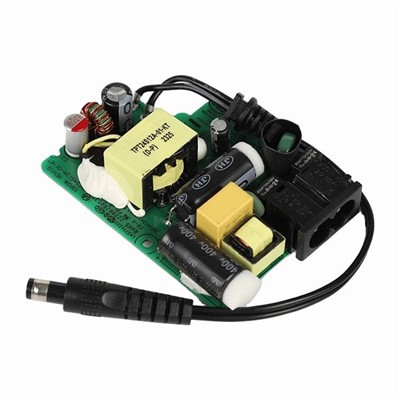

As a supplier of 5W power adapters, I often get asked about the output waveform of these devices. Understanding the output waveform is crucial for both technical enthusiasts and those in the market for power adapters, as it directly impacts the performance and compatibility of the devices being powered. In this blog post, I'll delve into the details of the output waveform of a 5W power adapter, explaining what it is, why it matters, and how it relates to our products.
What is an Output Waveform?
Before we dive into the specifics of the 5W power adapter's output waveform, let's first understand what an output waveform is. In simple terms, an output waveform is a graphical representation of the electrical signal produced by a power adapter over time. It shows how the voltage and current vary as the adapter supplies power to a device. The shape of the waveform can have a significant impact on the performance and reliability of the connected device.
There are several common types of waveforms, including sinusoidal, square, triangular, and sawtooth. Each waveform has its own characteristics and applications. For example, a sinusoidal waveform is the most common type of waveform used in AC power systems, as it closely resembles the natural shape of electrical current generated by power plants. Square waveforms, on the other hand, are often used in digital circuits and switching power supplies.


Output Waveform of a 5W Power Adapter
A typical 5W power adapter is designed to convert the AC (alternating current) power from a wall outlet into DC (direct current) power that can be used by electronic devices. The output waveform of a 5W power adapter is usually a DC voltage with a relatively stable and smooth shape. This is because most electronic devices, such as smartphones, tablets, and small electronic gadgets, require a constant and stable DC power supply to operate properly.
The output voltage of a 5W power adapter is typically 5V (volts), which is a standard voltage used by many electronic devices. The current rating of a 5W power adapter is usually 1A (ampere) or 1.2A, depending on the specific model. This means that the adapter can supply a maximum power of 5W (5V x 1A or 5V x 1.2A) to the connected device.
To ensure a stable and smooth output waveform, 5W power adapters often use a combination of rectification, filtering, and voltage regulation circuits. The rectification circuit converts the AC power from the wall outlet into DC power, while the filtering circuit removes any ripple or noise from the DC power. The voltage regulation circuit then adjusts the output voltage to a constant level, ensuring that the connected device receives a stable and reliable power supply.
Why Does the Output Waveform Matter?
The output waveform of a power adapter matters for several reasons. First, a stable and smooth output waveform is essential for the proper operation of electronic devices. If the output waveform is unstable or contains a lot of ripple or noise, it can cause problems such as device malfunctions, reduced battery life, and even damage to the device.
Second, the output waveform can affect the efficiency of the power adapter. A power adapter with a more stable and smooth output waveform is generally more efficient, as it can convert the AC power from the wall outlet into DC power with less loss. This means that the adapter consumes less power and generates less heat, which is not only better for the environment but also reduces the risk of overheating and fire.
Finally, the output waveform can also affect the compatibility of the power adapter with different devices. Some electronic devices are more sensitive to the output waveform than others, and may require a power adapter with a specific type of output waveform. For example, some high-end smartphones and tablets may require a power adapter with a very stable and smooth output waveform to ensure optimal performance and battery life.
Our 5W Power Adapters
As a supplier of 5W power adapters, we understand the importance of providing high-quality products with a stable and smooth output waveform. That's why we use the latest technology and high-quality components in the design and manufacture of our power adapters. Our 5W power adapters are designed to meet the strictest safety and performance standards, and are tested thoroughly to ensure that they provide a reliable and efficient power supply to your electronic devices.
One of our popular 5W power adapters is the Adapter 5v 1.2a. This adapter is designed to provide a stable and smooth output voltage of 5V at a maximum current of 1.2A, making it suitable for a wide range of electronic devices. It features a compact and lightweight design, making it easy to carry and use on the go.
In addition to our 5W power adapters, we also offer a range of other power adapters with different power ratings and features. For example, our PD30w power adapter is designed to provide a high-speed charging solution for smartphones, tablets, and other electronic devices that support Power Delivery (PD) technology. Our 18w Adapter is another popular option, offering a balance of power and portability.
Contact Us for Procurement
If you're in the market for a high-quality 5W power adapter or other power adapters, we'd love to hear from you. Our team of experts is always ready to help you find the right power adapter for your needs. Whether you're a distributor, retailer, or end-user, we can provide you with competitive pricing, fast delivery, and excellent customer service.
To learn more about our products or to place an order, please contact us today. We look forward to working with you and providing you with the best power adapter solutions for your electronic devices.
References
- Horowitz, P., & Hill, W. (1989). The Art of Electronics. Cambridge University Press.
- National Semiconductor Corporation. (2002). Linear Applications Handbook. McGraw-Hill.
- Texas Instruments Incorporated. (2007). Power Management Handbook. Texas Instruments.