
Are there any incentives for using micro inverters? Well, let me tell you, as a micro inverter supplier, I've seen firsthand the many perks that come with these nifty devices. In this blog, I'm gonna break down the reasons why you should seriously consider using micro inverters in your solar setup.
1. Increased Energy Harvest
One of the biggest incentives for using micro inverters is the ability to increase your overall energy harvest. Unlike traditional string inverters, which are connected to multiple solar panels in a series, micro inverters are installed on each individual panel. This means that each panel operates independently, and can produce power at its maximum capacity, regardless of the performance of the other panels in the system.
Let's say you have a solar array with a few panels that are shaded by a tree or a nearby building. With a string inverter, the performance of the entire string would be limited by the shaded panels. But with micro inverters, each panel can still generate power at its optimal level, even if it's partially shaded. This can result in a significant increase in energy production, especially in areas with variable sunlight conditions.
For example, a study by the National Renewable Energy Laboratory (NREL) found that micro inverters can increase energy production by up to 25% compared to string inverters in some cases. That's a pretty substantial boost, and it can really add up over time.
2. Enhanced System Monitoring
Another great incentive for using micro inverters is the enhanced system monitoring capabilities they offer. Most micro inverter systems come with a built-in monitoring platform that allows you to track the performance of each individual panel in real-time. This means you can easily identify any issues or underperforming panels, and take corrective action before they become a major problem.
With traditional string inverters, it can be difficult to pinpoint the source of a problem, as the performance of the entire string is aggregated. But with micro inverters, you can see exactly how each panel is performing, and quickly diagnose and fix any issues. This can save you time and money in the long run, as you can avoid costly repairs and downtime.
In addition to real-time monitoring, many micro inverter systems also offer historical data analysis and reporting. This can help you understand how your solar system is performing over time, and make informed decisions about system upgrades or maintenance.
3. Improved Safety
Safety is always a top priority when it comes to solar energy systems, and micro inverters offer several safety advantages over traditional string inverters. One of the main safety concerns with string inverters is the high DC voltage that runs through the system. This high voltage can pose a serious risk of electric shock or fire, especially during installation or maintenance.
Micro inverters, on the other hand, convert the DC power from each panel to AC power at the panel level, which significantly reduces the DC voltage in the system. This makes the system safer to install and maintain, and reduces the risk of electric shock or fire.
In addition, many micro inverters also come with built-in safety features such as rapid shutdown capabilities. This allows you to quickly shut down the system in the event of an emergency, such as a fire or a power outage.
4. Flexibility and Scalability
Micro inverters offer a high degree of flexibility and scalability, which is another major incentive for using them in your solar setup. Because each panel has its own inverter, you can easily add or remove panels from the system without having to worry about compatibility issues or system performance.
This makes micro inverters a great option for both residential and commercial solar installations. Whether you're looking to install a small rooftop system or a large-scale commercial project, micro inverters can be easily customized to meet your specific needs.
In addition, micro inverters can also be used in a variety of different solar panel configurations, including ground-mounted, rooftop, and tracking systems. This makes them a versatile and flexible option for any solar application.
5. Long-Term Reliability
When it comes to investing in a solar energy system, reliability is key. You want to make sure that your system is going to last for many years, and continue to produce clean, renewable energy. Micro inverters are known for their long-term reliability, and are designed to withstand the harsh environmental conditions of a solar installation.
Most micro inverters come with a warranty of 20 years or more, which is a testament to their durability and reliability. In addition, many micro inverter manufacturers also offer ongoing technical support and maintenance services, which can help ensure that your system continues to perform at its best for many years to come.
6. Cost-Effectiveness
While micro inverters may have a higher upfront cost compared to traditional string inverters, they can actually be more cost-effective in the long run. This is because of the increased energy harvest, enhanced system monitoring, and improved safety features that they offer.
Over time, the additional energy production and reduced maintenance costs can offset the higher upfront cost of the micro inverters. In addition, many utility companies offer incentives and rebates for installing solar energy systems with micro inverters, which can further reduce the cost of the system.
7. Environmental Benefits
Finally, using micro inverters in your solar setup can have significant environmental benefits. Solar energy is a clean, renewable source of energy that produces no greenhouse gas emissions or air pollutants. By using micro inverters to maximize the energy production of your solar system, you can reduce your carbon footprint and help protect the environment.
In addition, many micro inverter manufacturers are committed to sustainability and environmental responsibility. They use environmentally friendly materials and manufacturing processes, and are constantly working to improve the energy efficiency of their products.
Conclusion
So, are there any incentives for using micro inverters? Absolutely! From increased energy harvest and enhanced system monitoring to improved safety and long-term reliability, micro inverters offer a wide range of benefits that make them a smart choice for any solar energy system.
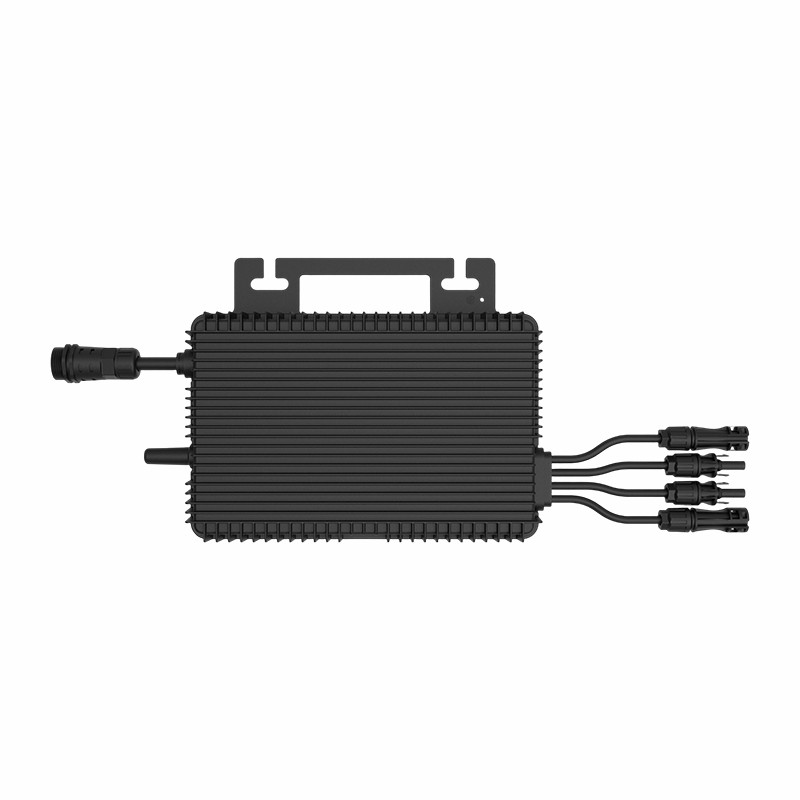
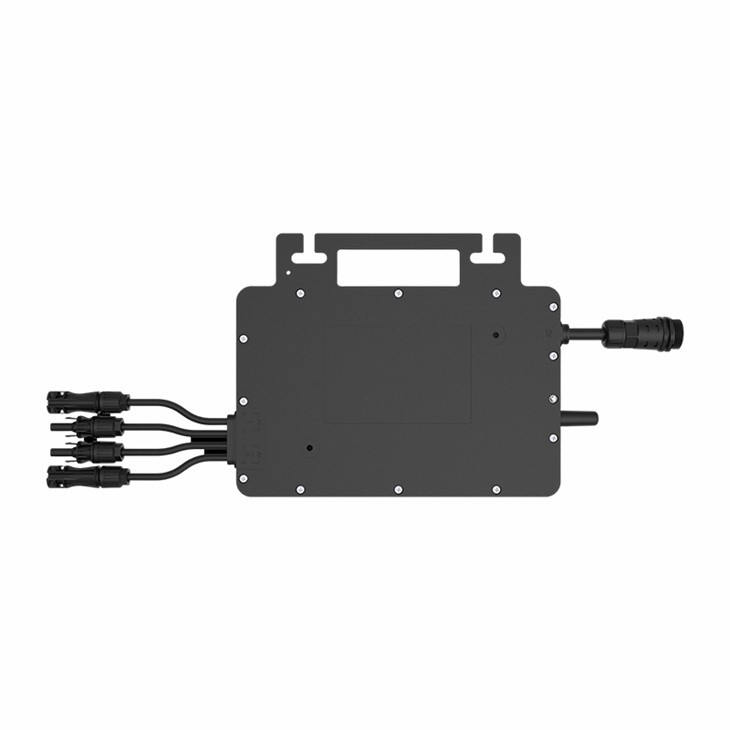
If you're interested in learning more about micro inverters, or are considering installing a solar energy system with micro inverters, I encourage you to check out our 800w Micro Inverter. Our micro inverters are designed to provide maximum energy production, reliability, and safety, and are backed by our industry-leading warranty and technical support.
Contact us today to learn more about our micro inverter products and services, and to discuss your solar energy needs. We look forward to working with you to help you achieve your energy goals and make a positive impact on the environment.
References
- National Renewable Energy Laboratory (NREL). (Year). Study on the performance of micro inverters compared to string inverters.
- Various industry reports and whitepapers on micro inverter technology and benefits.