
Can an EV Charger 48v charge batteries with different states of charge?
As a supplier of 48V EV chargers, I often get asked whether our chargers can effectively charge batteries with different states of charge. This is a crucial question for EV owners, as battery state of charge can vary widely depending on usage, time since last charge, and other factors. In this blog post, I'll explore the technical aspects of charging batteries with different states of charge using a 48V EV charger and provide some practical insights based on our experience in the industry.
Understanding Battery State of Charge
Before delving into the charging process, it's important to understand what we mean by "state of charge" (SOC). The SOC of a battery refers to the amount of energy currently stored in the battery relative to its maximum capacity. It is typically expressed as a percentage, with 0% indicating a fully discharged battery and 100% indicating a fully charged battery.
Batteries can have different states of charge for various reasons. For example, an EV that has been driven for a long distance without recharging will have a lower SOC than one that has been recently charged. Additionally, factors such as temperature, battery age, and charging history can also affect the SOC.
How a 48V EV Charger Works
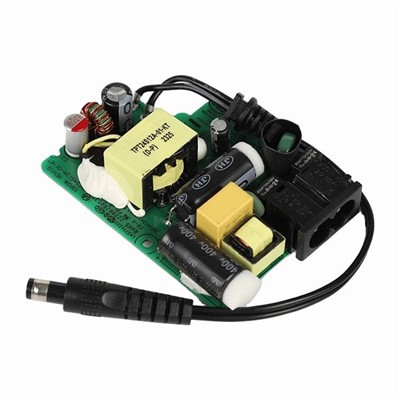
A 48V EV charger is designed to supply electrical energy to a 48V battery system. The charger works by converting the alternating current (AC) from the power grid into direct current (DC) that can be stored in the battery. The charging process typically involves several stages, including bulk charging, absorption charging, and float charging.
- Bulk Charging: This is the initial stage of the charging process, where the charger supplies a high current to the battery to quickly increase its SOC. During bulk charging, the charger operates at a constant current mode, delivering as much current as the battery can accept without exceeding its safe limits.
- Absorption Charging: Once the battery reaches a certain SOC (usually around 80-90%), the charger switches to the absorption charging stage. In this stage, the charger maintains a constant voltage while gradually reducing the charging current. This helps to fully charge the battery without overcharging it.
- Float Charging: After the battery is fully charged, the charger enters the float charging stage. During float charging, the charger supplies a small amount of current to the battery to maintain its charge level and prevent self-discharge.
Charging Batteries with Different States of Charge
Now, let's address the question of whether a 48V EV charger can charge batteries with different states of charge. The short answer is yes, a 48V EV charger can charge batteries with different states of charge, but the charging process may vary depending on the initial SOC of the battery.
- Low State of Charge: If the battery has a low SOC (e.g., less than 20%), the charger will start the charging process with the bulk charging stage. During this stage, the charger will supply a high current to the battery to quickly increase its SOC. The charging time will be longer compared to charging a battery with a higher SOC.
- Medium State of Charge: If the battery has a medium SOC (e.g., between 20-80%), the charger may start the charging process with either the bulk charging stage or the absorption charging stage, depending on the charger's design and the battery's characteristics. The charging time will be shorter compared to charging a battery with a low SOC.
- High State of Charge: If the battery has a high SOC (e.g., greater than 80%), the charger will likely start the charging process with the absorption charging stage or the float charging stage. The charging time will be relatively short, as the battery is already close to its full charge.
It's important to note that charging a battery with a very low SOC or a very high SOC for an extended period of time can have a negative impact on the battery's lifespan. Therefore, it's recommended to charge the battery regularly and avoid letting it discharge too deeply or overcharge it.
Considerations for Charging Batteries with Different States of Charge
When charging batteries with different states of charge using a 48V EV charger, there are several considerations to keep in mind:
- Battery Compatibility: Make sure that the charger is compatible with the type and capacity of the battery you are charging. Using an incompatible charger can damage the battery and reduce its lifespan.
- Charging Rate: The charging rate of the charger should be appropriate for the battery's state of charge. Charging a battery too quickly can generate heat and cause damage to the battery, while charging it too slowly can be inefficient.
- Temperature: The temperature of the battery and the charger can affect the charging process. Charging a battery in extreme temperatures (either too hot or too cold) can reduce the battery's performance and lifespan. Therefore, it's recommended to charge the battery in a moderate temperature environment.
- Safety: Always follow the manufacturer's instructions and safety guidelines when using a 48V EV charger. Make sure to use a properly grounded electrical outlet and avoid overloading the charger.
Our EV Charger Solutions
At our company, we offer a range of 48V EV chargers that are designed to charge batteries with different states of charge efficiently and safely. Our chargers are equipped with advanced charging algorithms and safety features to ensure optimal charging performance and battery protection.
In addition to our 48V EV chargers, we also offer other charging solutions, such as the 58V Battery Charger, Electrical Scooter Charger, and 100A Battery Charger. These chargers are suitable for a variety of applications, including electric vehicles, electric scooters, and energy storage systems.
Conclusion
In conclusion, a 48V EV charger can charge batteries with different states of charge, but the charging process may vary depending on the initial SOC of the battery. When charging batteries with different states of charge, it's important to consider factors such as battery compatibility, charging rate, temperature, and safety.
If you're in the market for a 48V EV charger or other charging solutions, we encourage you to contact us to discuss your specific needs. Our team of experts will be happy to help you find the right charger for your application and provide you with the support and guidance you need to ensure a successful charging experience.

References
- Battery University. (n.d.). State of Charge (SOC). Retrieved from https://batteryuniversity.com/learn/article/state_of_charge
- International Electrotechnical Commission. (2015). Electric vehicle conductive charging system - Part 1: General requirements. IEC 61851-1.
- Society of Automotive Engineers. (2018). Electric vehicle conductive charge system - DC fast charge coupler performance requirements. SAE J1772.