
Hey there! As a micro inverter supplier, I often get asked all sorts of questions about where our products can be used. One question that pops up quite a bit is, "Can micro inverters be used in coastal areas?" Well, let's dig into this topic and find out.
First off, let's understand what micro inverters are. Micro inverters are small, individual inverters that are attached to each solar panel in a photovoltaic (PV) system. Unlike traditional string inverters, which handle the power output of an entire string of solar panels, micro inverters work on a panel - by - panel basis. This setup has a bunch of advantages, like increased energy harvest, better system monitoring, and enhanced safety.

Now, let's talk about coastal areas. Coastal regions have some unique environmental conditions. The most obvious one is the high humidity. The air near the coast is often saturated with moisture, which can lead to corrosion over time. Salt is another big factor. The sea spray contains salt particles, and these can settle on the micro inverters. Salt is highly corrosive, and if it accumulates on the inverter's components, it can cause damage.
But here's the good news. Our micro inverters are designed to handle tough conditions, including those found in coastal areas. We use high - quality materials that are resistant to corrosion. The enclosures of our micro inverters are made of durable plastics and metals that have been treated to withstand the effects of salt and moisture. For example, the metal parts are coated with anti - corrosion layers that act as a barrier between the metal and the corrosive elements in the coastal air.
Another important aspect is the sealing of the micro inverters. Our products are carefully sealed to prevent water and salt from getting inside. We use gaskets and seals that are designed to be waterproof and dustproof. This ensures that the internal components, such as the circuit boards and electronic chips, are protected from the harsh coastal environment.
In addition to the physical protection, our micro inverters also have advanced electronics that are designed to be reliable in variable conditions. They are equipped with temperature and humidity sensors that can adjust the inverter's performance based on the environmental conditions. For instance, if the humidity is too high, the inverter can reduce its power output slightly to prevent any damage to the internal components.
Let's take a look at some real - world examples. There are many solar installations in coastal areas around the world that are using our micro inverters. These installations have been operating successfully for years, even in areas with high salt content in the air. The owners of these systems have reported very few issues related to the micro inverters, which is a testament to their durability and reliability.
Now, I know some of you might be thinking, "But what about the maintenance?" Well, like any electrical equipment, our micro inverters do require some maintenance. However, the maintenance requirements are relatively low. We recommend regular visual inspections to check for any signs of corrosion or damage to the enclosure. If you notice any salt buildup on the outside of the inverter, you can simply clean it with a soft, damp cloth. It's also a good idea to have a professional technician perform a more thorough inspection every few years.
When it comes to performance, micro inverters in coastal areas can actually have an edge. The coastal climate often has more cloud cover and variable sunlight compared to inland areas. Micro inverters are great at handling these conditions because they can optimize the power output of each individual solar panel. This means that even on cloudy days or when there are shadows on some of the panels, the overall energy production of the PV system can be maximized.
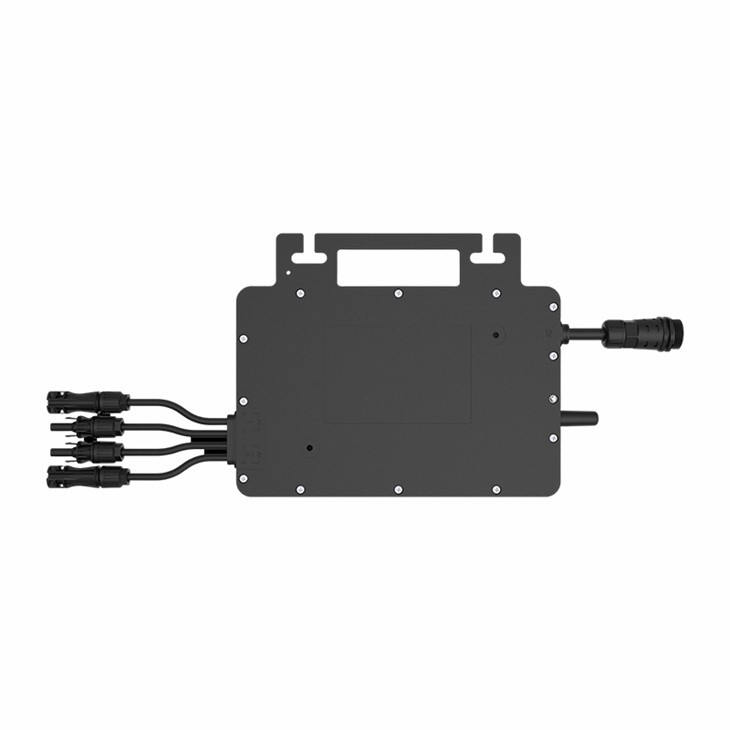
If you're in the market for a micro inverter for your coastal solar installation, I'd like to introduce our 800w Micro Inverter. This inverter is a great choice for both small and large - scale solar projects in coastal areas. It has all the features I mentioned earlier, including corrosion - resistant materials, advanced sealing, and intelligent electronics.
So, to answer the question, yes, micro inverters can definitely be used in coastal areas. Our products are designed and built to withstand the unique challenges of the coastal environment. Whether you're a homeowner looking to install a small solar system on your beachfront property or a commercial developer planning a large - scale solar project near the coast, our micro inverters are a reliable and efficient choice.
If you're interested in learning more about our micro inverters or want to discuss a potential purchase, don't hesitate to reach out. We're here to help you make the best decision for your solar energy needs. Whether you have questions about the technical specifications, the installation process, or the long - term performance of our products, our team of experts is ready to assist you. Let's work together to make your coastal solar project a success!
References
- Solar Energy International. "Solar PV System Design and Installation."
- International Electrotechnical Commission (IEC). Standards for photovoltaic inverters.
- Various case studies on solar installations in coastal areas.