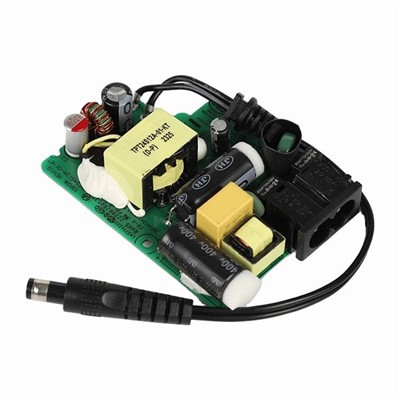

Hey there! As a supplier of micro inverters, I often get asked a bunch of questions about how our products work and what they can be paired with. One question that pops up quite a bit is, "Can micro inverters be used with battery storage systems?" Well, let's dive right into it and find out.
First off, let's quickly go over what micro inverters are. Micro inverters are small, individual inverters that are installed on each solar panel. Unlike traditional string inverters, which convert the DC power from a whole string of solar panels into AC power, micro inverters do the job right at the panel level. This means that each panel can work independently, which is super handy because it helps to maximize the energy production of your solar array. If one panel is shaded or dirty, it won't bring down the performance of the whole system like it would with a string inverter.
Now, onto battery storage systems. These systems are like the energy banks of your solar setup. They store the excess electricity generated by your solar panels during the day so that you can use it at night or during cloudy days. This helps to make your home more energy - independent and can save you a ton of money on your electricity bills in the long run.
So, can micro inverters be used with battery storage systems? The short answer is yes, and there are a few good reasons for this.
One of the main advantages of using micro inverters with battery storage is the increased efficiency. Since micro inverters optimize the power output of each individual panel, you're getting the most energy possible from your solar array. When this energy is stored in a battery, you're essentially storing more usable energy. This means that you can rely more on your stored energy during times when your solar panels aren't producing as much power, like at night or on overcast days.
Another benefit is the flexibility. Micro inverters allow for a modular approach to your solar system. You can easily add or remove panels as needed, and this flexibility extends to your battery storage as well. You can start with a small battery and gradually increase its capacity as your energy needs grow. This makes it a great option for homeowners who are on a budget or who want to expand their solar setup over time.
In terms of reliability, micro inverters are a great choice when paired with battery storage. Since each panel has its own inverter, if one inverter fails, it won't take down the whole system. Your other panels and the battery storage will still be able to function normally. This is a huge advantage compared to string inverters, where a single failure can disrupt the entire system.
Now, let's talk about how the connection between micro inverters and battery storage systems works. There are a few different ways to set this up. One common method is to use a hybrid inverter. A hybrid inverter can manage the flow of energy between the solar panels, the battery, and the grid. It takes the AC power from the micro inverters, stores the excess energy in the battery, and can also send power back to the grid if you have a surplus.
Another option is to use a DC - coupled system. In a DC - coupled system, the DC power from the solar panels is first sent to a charge controller, which then charges the battery. The micro inverters can then convert the DC power from the battery into AC power when needed. This setup can be a bit more complex, but it can also be more efficient in some cases.
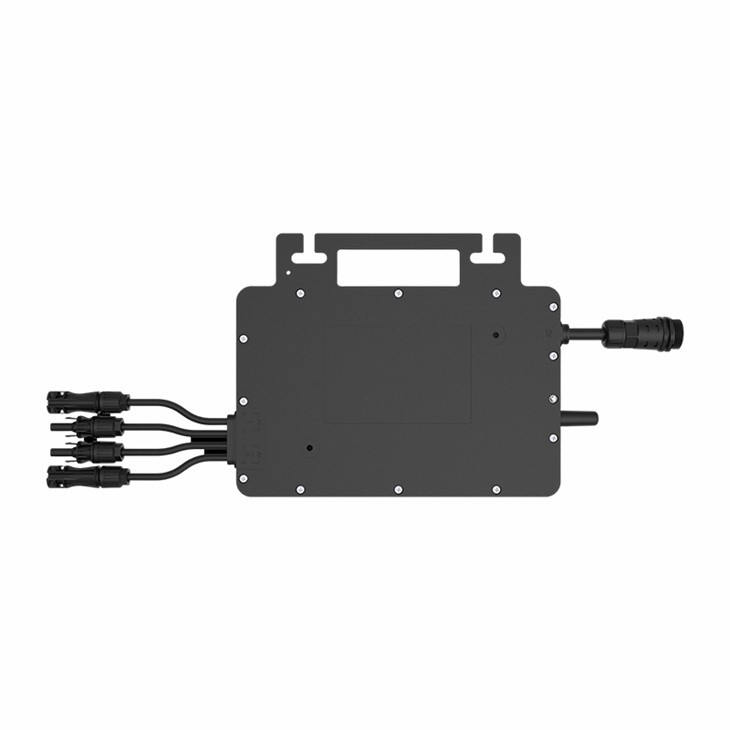
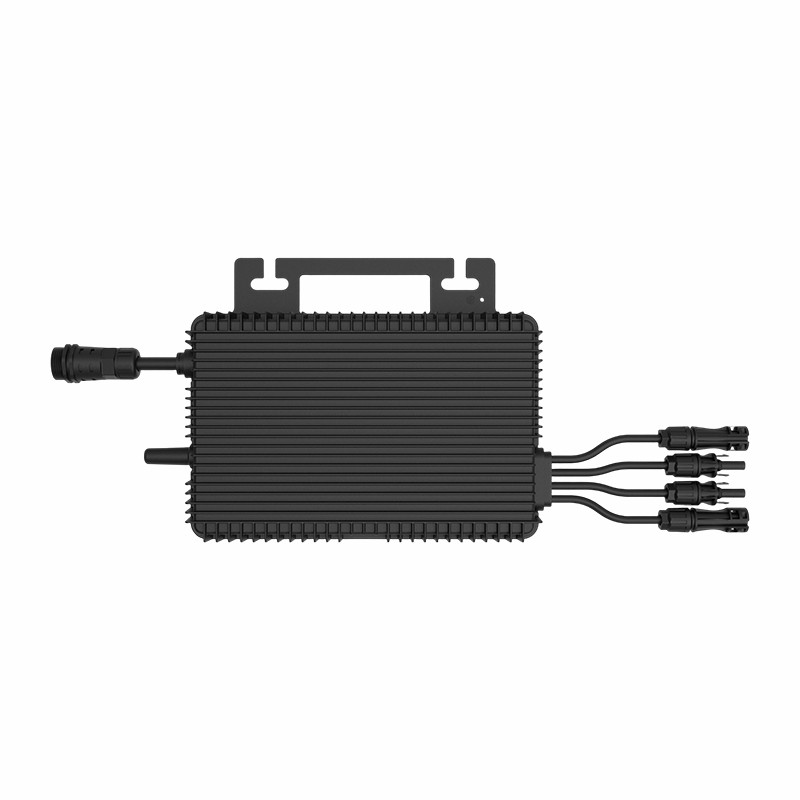
If you're considering using micro inverters with a battery storage system, you might be interested in our 800w Micro Inverter. This micro inverter is a great option for both small and large solar setups. It's designed to be highly efficient and reliable, and it can work seamlessly with a variety of battery storage systems.
When it comes to choosing a battery for your system, there are a few things to keep in mind. You'll want to consider the battery's capacity, its depth of discharge, and its lifespan. Lithium - ion batteries are a popular choice because they have a high energy density, a long lifespan, and can be discharged to a greater extent without damaging the battery.
However, there are also some challenges to using micro inverters with battery storage systems. One of the main challenges is the cost. Micro inverters and battery storage systems can be more expensive upfront compared to traditional string inverters and no - battery setups. But when you consider the long - term savings on your electricity bills and the increased energy independence, it can be a worthwhile investment.
Another challenge is the complexity of the system. Setting up a system with micro inverters and battery storage requires careful planning and installation. You'll need to make sure that all the components are compatible and that the system is properly configured. This is why it's important to work with a professional installer who has experience with these types of systems.
In conclusion, micro inverters can definitely be used with battery storage systems, and there are many benefits to doing so. The increased efficiency, flexibility, and reliability make it a great option for homeowners who want to get the most out of their solar energy. If you're thinking about upgrading your solar system with a battery storage solution, our micro inverters are a great choice.
If you're interested in learning more about how our micro inverters can work with your battery storage system, or if you want to start the process of purchasing, don't hesitate to reach out. We're here to help you make the best decision for your energy needs. Whether you're a homeowner looking to save on your electricity bills or a business owner wanting to go green, we've got the solutions for you.
References
- Solar Power World magazine
- EnergySage research reports
- Industry whitepapers on solar energy and battery storage