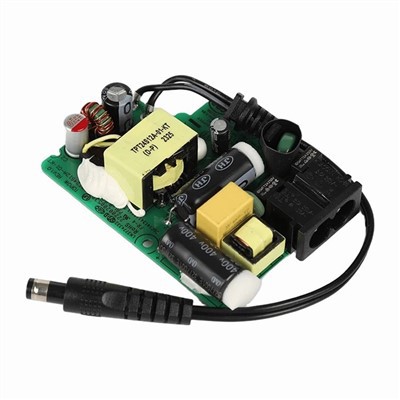

Hey there! As a supplier of Telecom Power Supply Units (PSUs), I've seen firsthand how various factors can impact the performance and longevity of these crucial components. One often overlooked factor is vibration. In this blog post, I'll delve into how vibration affects a Telecom PSU and what you can do to mitigate these effects.
Understanding the Basics of Telecom PSUs
Before we jump into the impact of vibration, let's quickly go over what a Telecom PSU is. A Telecom PSU is a power supply unit specifically designed for telecommunications equipment. It converts electrical power from a source, such as the mains electricity, into the appropriate voltage and current required by the telecom devices. Our company offers a range of high - quality Telecom PSUs, including the Server - Grade Power Supply Board, 250W Dual Output Power Module, and Heavy - Duty Switching Power Module.
How Vibration Can Affect a Telecom PSU
1. Mechanical Damage
Vibration can cause mechanical damage to the components inside a Telecom PSU. The constant shaking can loosen solder joints, which are used to connect electronic components to the printed circuit board (PCB). Loose solder joints can lead to intermittent electrical connections, which in turn can cause the PSU to malfunction or even fail completely.
For example, a small crack in a solder joint might not cause an immediate problem. But over time, as the vibration continues, the crack can grow, and eventually, the connection will break. This can result in power outages, data loss, or damage to the connected telecom equipment.
2. Component Wear and Tear
Vibration can also accelerate the wear and tear of components within the PSU. Capacitors, for instance, are sensitive to vibration. The constant movement can cause the dielectric material inside the capacitor to degrade faster than normal. This can lead to a decrease in capacitance, which can affect the stability of the power output.
Inductors are another component that can be affected by vibration. The magnetic core of an inductor can vibrate, causing mechanical stress. Over time, this can lead to the degradation of the core material, which can change the inductance value and affect the performance of the PSU.
3. Noise and Electromagnetic Interference (EMI)
Vibration can generate noise and electromagnetic interference (EMI) within the PSU. When components vibrate, they can create mechanical noise, which can be transmitted through the enclosure of the PSU. This noise can be a nuisance, especially in quiet telecom environments.


Moreover, the vibration - induced movement of electrical components can cause changes in the electrical currents and magnetic fields. These changes can generate EMI, which can interfere with the operation of other nearby electronic devices. This can lead to signal degradation, data errors, and other performance issues in the telecom system.
4. Cooling System Inefficiency
Most Telecom PSUs have a cooling system, such as a fan, to prevent overheating. Vibration can affect the efficiency of this cooling system. If the fan blades are not balanced properly due to vibration, it can cause the fan to operate inefficiently. This can lead to reduced airflow, which can cause the PSU to overheat.
Overheating is a serious issue for PSUs as it can cause the components to degrade faster and can even lead to thermal runaway, where the temperature of the PSU continues to rise uncontrollably until it fails.
Mitigating the Effects of Vibration
1. Mounting and Installation
Proper mounting and installation of the Telecom PSU are crucial to reduce the impact of vibration. Using vibration - isolating mounts can help absorb the shock and vibration. These mounts are typically made of rubber or other flexible materials that can dampen the vibrations before they reach the PSU.
When installing the PSU, make sure it is securely fastened to its mounting surface. Loose mounting can increase the vibration levels and exacerbate the problems mentioned above.
2. Component Selection
Choosing high - quality components that are designed to withstand vibration can also help mitigate the effects. For example, some capacitors are specifically designed with anti - vibration features, such as a more robust construction or a special encapsulation.
Similarly, inductors with a well - designed magnetic core and a sturdy housing can be more resistant to vibration - induced damage.
3. Enclosure Design
The design of the PSU enclosure can also play a role in reducing the impact of vibration. A well - designed enclosure can provide additional protection to the internal components. It can be made of materials that are good at absorbing vibration, and it can have features such as internal bracing to reduce the movement of components.
4. Regular Maintenance
Regular maintenance is essential to ensure the long - term reliability of the Telecom PSU. During maintenance, technicians can check for loose solder joints, worn - out components, and any signs of vibration - related damage. They can also clean the cooling system to ensure it is operating efficiently.
Conclusion
Vibration can have a significant impact on the performance and longevity of a Telecom PSU. It can cause mechanical damage, accelerate component wear and tear, generate noise and EMI, and reduce the efficiency of the cooling system. However, by taking appropriate measures such as proper mounting, component selection, enclosure design, and regular maintenance, these effects can be mitigated.
As a Telecom PSU supplier, we understand the importance of providing reliable products that can withstand the challenges of real - world environments. Our Server - Grade Power Supply Board, 250W Dual Output Power Module, and Heavy - Duty Switching Power Module are designed with these considerations in mind.
If you're in the market for a high - quality Telecom PSU or have any questions about how to protect your PSU from vibration, don't hesitate to reach out. We're here to help you find the best solution for your telecom power needs. Let's start a conversation about your requirements and see how we can assist you in ensuring the reliable operation of your telecom systems.
References
- "Power Supply Handbook" by Marty Brown
- "Electromagnetic Compatibility Engineering" by Henry W. Ott