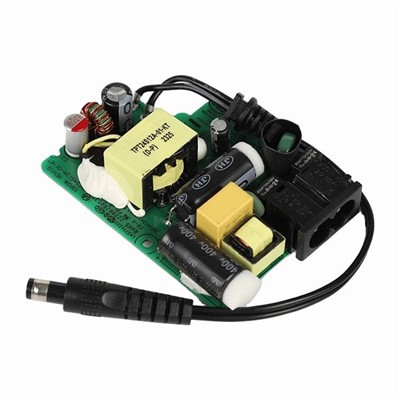

In the modern era, the demand for efficient charging solutions has skyrocketed, driven by the proliferation of electronic devices and the shift towards electric mobility. Wireless charging, in particular, has emerged as a promising technology that offers convenience and flexibility. As a leading charging solution provider, we are at the forefront of this technological revolution, constantly striving to enhance the efficiency of our wireless charging solutions. In this blog, we will delve into the efficiency of wireless charging solutions, exploring their advantages, limitations, and the factors that influence their performance.
Understanding Wireless Charging Technology
Wireless charging, also known as inductive charging, is a method of transferring electrical energy from a power source to a device without the need for physical connections. It operates on the principle of electromagnetic induction, where an alternating current (AC) passing through a coil in the charging pad creates a magnetic field. This magnetic field induces an electric current in a corresponding coil within the device, which is then converted into direct current (DC) to charge the battery.
One of the key advantages of wireless charging is its convenience. Users can simply place their devices on the charging pad, eliminating the need to fumble with cables and connectors. This makes it ideal for use in a variety of settings, such as homes, offices, and public spaces. Additionally, wireless charging can help reduce wear and tear on charging ports, which can extend the lifespan of devices.
Efficiency of Wireless Charging Solutions
The efficiency of a wireless charging solution is typically measured by the amount of electrical energy that is successfully transferred from the charging pad to the device's battery. This is expressed as a percentage, with higher percentages indicating greater efficiency. Several factors can influence the efficiency of wireless charging, including:
- Alignment: Proper alignment between the charging pad and the device is crucial for efficient charging. If the device is not placed correctly on the pad, the magnetic field may not be properly aligned with the receiving coil, resulting in reduced efficiency.
- Distance: The distance between the charging pad and the device can also affect efficiency. As the distance increases, the strength of the magnetic field decreases, which can lead to a decrease in the amount of energy transferred.
- Power Output: The power output of the charging pad can impact efficiency. Higher power outputs generally result in faster charging times, but they may also generate more heat, which can reduce efficiency.
- Device Compatibility: Not all devices are compatible with wireless charging. Even among compatible devices, there may be variations in the efficiency of charging due to differences in the design of the receiving coil and other components.
Despite these challenges, significant advancements have been made in wireless charging technology in recent years, resulting in improved efficiency. Many modern wireless charging pads are designed to automatically adjust the charging parameters based on the device's needs, ensuring optimal efficiency. Additionally, the development of new materials and coil designs has helped to reduce energy losses and improve overall performance.
Applications of Wireless Charging Solutions
Wireless charging solutions have a wide range of applications across various industries. Some of the most common applications include:
- Consumer Electronics: Wireless charging is widely used in smartphones, smartwatches, and other portable devices. Many flagship smartphones now come with built-in wireless charging capabilities, and wireless charging pads are becoming increasingly popular as accessories.
- Automotive Industry: The automotive industry is also embracing wireless charging technology. Electric vehicles (EVs) can benefit from wireless charging, which can provide a more convenient and efficient way to recharge their batteries. Some automakers are already testing wireless charging systems for EVs, and it is expected that this technology will become more widespread in the coming years.
- Medical Devices: Wireless charging is also being explored for use in medical devices, such as hearing aids and implantable devices. This can provide a more convenient and hygienic way to charge these devices, which are often used in sensitive environments.
Our Wireless Charging Solutions
As a charging solution provider, we offer a range of wireless charging products that are designed to be efficient, reliable, and user-friendly. Our products are compatible with a wide range of devices, including smartphones, tablets, and smartwatches. We also offer customized solutions for specific applications, such as automotive and industrial settings.
One of our popular products is the Portable Ebike Battery Charger. This charger is designed to provide a convenient and efficient way to charge ebike batteries on the go. It features a compact and lightweight design, making it easy to carry around. Additionally, the charger is equipped with advanced safety features to protect the battery from overcharging and overheating.
Another product in our portfolio is the EV Charger 48v. This charger is specifically designed for electric vehicles with 48-volt batteries. It offers fast and efficient charging, with a high power output that can significantly reduce charging times. The charger is also equipped with intelligent charging algorithms that can automatically adjust the charging parameters based on the battery's state of charge, ensuring optimal performance.
We also offer the 58V Battery Charger, which is suitable for a variety of applications, including electric scooters, power tools, and other high-voltage devices. This charger is designed to provide a stable and reliable power supply, with a high efficiency rating that can help save energy and reduce operating costs.
Conclusion
Wireless charging solutions offer a convenient and efficient way to charge electronic devices and electric vehicles. While there are still some challenges to overcome in terms of efficiency, significant progress has been made in recent years, and the technology continues to evolve. As a charging solution provider, we are committed to developing innovative products that offer high efficiency, reliability, and user-friendliness.


If you are interested in learning more about our wireless charging solutions or would like to discuss your specific charging needs, we encourage you to contact us. Our team of experts is ready to assist you in finding the right charging solution for your requirements.
References
- Ali, M., & Wang, X. (2018). A review of wireless power transfer for electric vehicles: Prospects to enhance sustainable mobility. Renewable and Sustainable Energy Reviews, 91, 739-757.
- Covic, G. A., & Boys, J. T. (2013). Inductive power transfer. Proceedings of the IEEE, 101(6), 1276-1289.
- Hua, G., & Li, Y. (2019). Wireless power transfer technology: An overview. IEEE Transactions on Industrial Electronics, 66(2), 1007-1018.