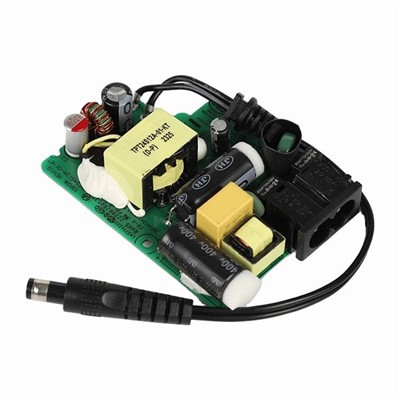

Hey there! As a supplier of PCB Mount Power Supply, I often get asked about how to check if these power supplies meet the relevant standards. It's a crucial question, especially for those who rely on these power supplies in their electronic devices. So, let's dive right in and explore the key steps to ensure that your PCB Mount Power Supply is up to par.
Understanding the Standards
First things first, you need to know which standards are applicable to your PCB Mount Power Supply. There are various international and regional standards that govern the safety, performance, and electromagnetic compatibility (EMC) of power supplies. For instance, in the United States, the Underwriters Laboratories (UL) standards play a significant role in ensuring the safety of electrical equipment. In Europe, the CE marking indicates compliance with the essential health and safety requirements set out in European Directives.
These standards cover a wide range of aspects, including electrical insulation, protection against electric shock, temperature limits, and EMC emissions. It's essential to familiarize yourself with the specific standards relevant to your target market or application. You can find detailed information about these standards on the official websites of the standard-setting organizations.
Checking the Documentation
One of the first things you should do when evaluating a PCB Mount Power Supply is to check the documentation provided by the supplier. This includes the datasheet, user manual, and any certification documents. The datasheet should contain detailed information about the power supply's specifications, such as input voltage range, output voltage and current, efficiency, and ripple and noise levels.
The user manual will provide instructions on how to install, operate, and maintain the power supply safely. It may also include information about any special requirements or precautions. Certification documents, such as UL or CE certificates, are proof that the power supply has been tested and meets the relevant standards. Make sure to verify the authenticity of these certificates and check the expiration dates.
Visual Inspection
A visual inspection can reveal a lot about the quality and compliance of a PCB Mount Power Supply. Start by examining the physical appearance of the power supply. Look for any signs of damage, such as cracks, scratches, or loose components. The power supply should be well-built and have a professional finish.
Check the markings on the power supply, including the model number, input and output ratings, and safety certifications. These markings should be clear and legible. Make sure that the power supply is labeled with the appropriate safety symbols and warnings.
Electrical Testing
Electrical testing is a crucial step in determining if a PCB Mount Power Supply meets the relevant standards. You can perform some basic electrical tests using a multimeter or other test equipment. Start by measuring the input voltage and current to ensure that they are within the specified range.
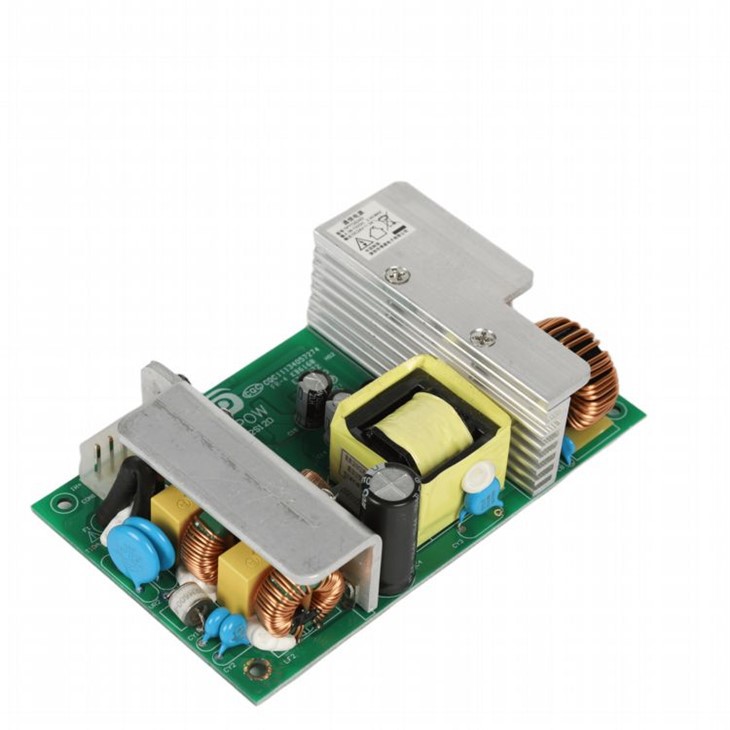

Next, measure the output voltage and current under different load conditions. The output voltage should remain stable within the specified tolerance, even when the load changes. You can also measure the ripple and noise levels on the output voltage. Excessive ripple and noise can indicate a problem with the power supply's filtering or regulation.
Another important electrical test is the insulation resistance test. This test measures the resistance between the input and output circuits and the power supply's chassis. A high insulation resistance value indicates good electrical insulation and reduces the risk of electric shock.
EMC Testing
Electromagnetic compatibility (EMC) is an important aspect of power supply design. EMC testing ensures that the power supply does not generate excessive electromagnetic interference (EMI) and is immune to external EMI. EMC testing typically involves measuring the radiated and conducted emissions of the power supply.
Radiated emissions are the electromagnetic waves that are emitted from the power supply into the surrounding environment. Conducted emissions are the electrical signals that are conducted through the power supply's input and output cables. Both types of emissions can interfere with other electronic devices and cause malfunctions.
To perform EMC testing, you will need specialized test equipment, such as an EMI receiver and an antenna. EMC testing should be carried out in a controlled environment, such as an anechoic chamber, to minimize external interference.
Safety Testing
Safety is of utmost importance when it comes to power supplies. Safety testing ensures that the power supply is designed and manufactured to prevent electric shock, fire, and other hazards. Safety testing typically includes tests for electrical insulation, protection against overcurrent, overvoltage, and short circuits.
Electrical insulation testing measures the resistance between the input and output circuits and the power supply's chassis. A high insulation resistance value indicates good electrical insulation and reduces the risk of electric shock. Overcurrent and overvoltage protection tests ensure that the power supply can handle abnormal operating conditions without causing damage or posing a safety risk.
Short circuit protection tests verify that the power supply can safely handle a short circuit without overheating or causing a fire. These tests are typically performed using specialized test equipment, such as a short circuit tester.
Working with a Reputable Supplier
When it comes to ensuring that your PCB Mount Power Supply meets the relevant standards, working with a reputable supplier is crucial. A reputable supplier will have a proven track record of producing high-quality power supplies that comply with the relevant standards. They will also provide comprehensive documentation and support to help you evaluate and use their products.
At our company, we are committed to providing our customers with the highest quality PCB Mount Power Supplies that meet or exceed the relevant standards. We have a team of experienced engineers and technicians who perform rigorous testing and quality control procedures to ensure that our products are safe, reliable, and compliant.
If you are looking for a reliable PCB Mount Power Supply, we invite you to explore our product range. We offer a wide variety of PCB Mount Power Supply options, including LED Driver Power Board and Regulated Switching Power Module. Our products are designed to meet the diverse needs of our customers and are backed by our excellent customer service.
If you have any questions or need further information about our products, please don't hesitate to contact us. We would be happy to discuss your requirements and help you find the right power supply solution for your application.
References
- Underwriters Laboratories (UL) official website
- European Union official website for CE marking
- International Electrotechnical Commission (IEC) official website