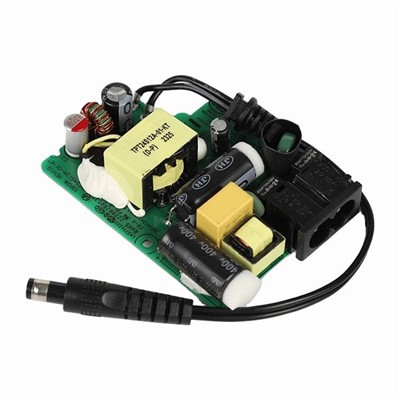

As a supplier of EV chargers, particularly the 48V models, I often encounter a common question from customers: Can an EV Charger 48V charge multiple types of electric vehicles? This is a crucial query that delves into the compatibility, efficiency, and practicality of using a single charger for different electric vehicles. In this blog, I'll explore this topic in depth, drawing on my experience in the industry and the technical knowledge of our products.
Understanding the Basics of 48V EV Chargers
Before we discuss the compatibility of a 48V EV charger with various electric vehicles, it's essential to understand what a 48V charger is and how it works. A EV Charger 48v is designed to provide electrical energy at a voltage of 48 volts to recharge the batteries of electric vehicles. This voltage is a standard in many electric mobility applications, including electric bicycles (e-bikes), some electric scooters, and small electric utility vehicles.
The charging process involves converting the alternating current (AC) from the power grid into direct current (DC) at the appropriate voltage and current levels for the vehicle's battery. The charger's circuitry regulates the charging process to ensure that the battery is charged safely and efficiently, preventing overcharging and other potential issues.
Compatibility with Different Electric Vehicles
Electric Bicycles (E-bikes)
E-bikes are one of the most common electric vehicles that can be charged using a 48V charger. Many modern e-bikes are equipped with 48V lithium-ion batteries, which are lightweight, have a high energy density, and can provide sufficient power for extended rides. Our EV Charger 48v is specifically designed to be compatible with a wide range of 48V e-bike batteries, ensuring a safe and efficient charging process.
However, it's important to note that not all e-bikes are the same. Some e-bikes may have different battery chemistries, capacities, or charging requirements. For example, a high-performance e-bike with a large battery capacity may require a charger with a higher charging current to reduce the charging time. In such cases, it's crucial to check the manufacturer's specifications to ensure that the charger is compatible with the e-bike's battery.
Electric Scooters
Similar to e-bikes, many electric scooters also use 48V batteries. These scooters are popular for urban commuting due to their compact size and maneuverability. Our 48V charger can be used to charge most 48V electric scooters, providing a convenient and reliable charging solution.
However, like e-bikes, electric scooters can vary in terms of battery chemistry and charging requirements. Some scooters may have a different charging port or require a specific charging protocol. Therefore, it's always recommended to consult the scooter's user manual or contact the manufacturer to confirm the compatibility of the charger.


Small Electric Utility Vehicles
In addition to e-bikes and scooters, some small electric utility vehicles, such as electric golf carts, mini electric trucks, and electric wheelchairs, also use 48V batteries. These vehicles are often used in specific applications, such as golf courses, warehouses, and assisted living facilities. Our EV Charger 48v can be a suitable charging solution for these vehicles, provided that the battery voltage and charging requirements are compatible.
Factors Affecting Compatibility
Battery Chemistry
Different battery chemistries, such as lithium-ion, lead-acid, and nickel-metal hydride (NiMH), have different charging requirements. Lithium-ion batteries, for example, require a more precise charging algorithm to ensure their safety and longevity. Our chargers are designed to be compatible with lithium-ion batteries, which are the most common type used in modern electric vehicles. However, if you have a vehicle with a different battery chemistry, it's important to use a charger specifically designed for that chemistry.
Battery Capacity
The battery capacity, measured in ampere-hours (Ah), also affects the charging process. A larger battery capacity requires a higher charging current to reduce the charging time. Our 48V charger is available in different charging current ratings to accommodate different battery capacities. When choosing a charger, it's important to select one with a charging current that is appropriate for the vehicle's battery capacity.
Charging Port and Connector
The charging port and connector of the vehicle must be compatible with the charger. Most 48V electric vehicles use a standard charging port and connector, but there may be some variations. Our chargers come with a variety of charging connectors to ensure compatibility with different vehicles. If you have a vehicle with a non-standard charging port, we can provide custom solutions to meet your needs.
Benefits of Using a 48V Charger for Multiple Vehicles
Cost-Effectiveness
Using a single charger for multiple vehicles can be cost-effective, as you don't need to purchase separate chargers for each vehicle. Our EV Charger 48v is a versatile and affordable charging solution that can be used for a variety of 48V electric vehicles, saving you money in the long run.
Convenience
Having a single charger also provides convenience, as you can easily charge different vehicles using the same charger. This is especially useful if you have multiple electric vehicles at home or in your workplace. You don't need to worry about finding the right charger for each vehicle, making the charging process more hassle-free.
Safety and Reliability
Our chargers are designed with safety and reliability in mind. They are equipped with advanced safety features, such as overcharge protection, short-circuit protection, and temperature control, to ensure the safety of the vehicle's battery and the charging process. By using a high-quality charger, you can extend the lifespan of your vehicle's battery and reduce the risk of potential issues.
Limitations and Considerations
Charging Time
The charging time of a vehicle depends on several factors, including the battery capacity, the charging current of the charger, and the state of charge of the battery. While our 48V charger can provide a fast and efficient charging process, it may take longer to charge a vehicle with a large battery capacity. If you need to reduce the charging time, you may consider using a charger with a higher charging current or a fast-charging system.
Compatibility Issues
Although our 48V charger is designed to be compatible with a wide range of 48V electric vehicles, there may still be some compatibility issues. It's important to check the manufacturer's specifications and recommendations before using the charger with a new vehicle. If you encounter any compatibility issues, our technical support team is available to assist you.
Conclusion
In conclusion, a EV Charger 48v can charge multiple types of electric vehicles, including e-bikes, electric scooters, and small electric utility vehicles, provided that the battery voltage and charging requirements are compatible. Our chargers are designed to be versatile, cost-effective, and safe, providing a convenient and reliable charging solution for a variety of 48V electric vehicles.
However, it's important to consider the factors affecting compatibility, such as battery chemistry, capacity, and charging port, to ensure that the charger is suitable for your vehicle. If you have any questions or need further assistance, please don't hesitate to contact us. We are committed to providing high-quality charging solutions and excellent customer service.
If you're interested in purchasing our EV Charger 48v or other charging products, such as the 58V Battery Charger or Portable Ebike Battery Charger, please feel free to reach out to us for more information and to discuss your specific requirements. We look forward to working with you to meet your charging needs.
References
- "Electric Vehicle Charging Systems: Principles, Design, and Applications" by Ali Emadi
- "Battery Management Systems: Design and Implementation" by Andrew N. Jansen