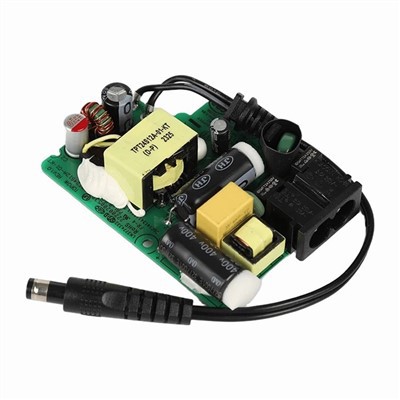

Hey there! As a supplier of 58V battery chargers, I've seen firsthand how important it is to keep these chargers in top - notch condition. A longer - lasting charger not only saves you money but also ensures that your devices get the power they need when they need it. So, let's dive into some tips on how to increase the lifespan of a 58V battery charger.
1. Proper Storage
First off, storage plays a huge role. You don't want to just toss your charger in a random drawer and forget about it. When not in use, keep it in a cool, dry place. Extreme temperatures can really mess with the internal components of the charger. High heat can cause the insulation on the wires to break down over time, while cold temperatures can make the battery inside the charger (if it has one) less efficient.
For example, if you live in an area with very hot summers, don't leave your charger in a car trunk. The trunk can get super hot, and that heat can damage the charger's circuitry. Instead, store it in an air - conditioned room or a cabinet away from direct sunlight.
2. Regular Inspection
It's a good idea to give your charger a once - over every now and then. Check the cords for any signs of wear and tear. Look for frayed wires, cuts, or exposed metal. If you see any damage, stop using the charger immediately. Using a charger with damaged cords can be extremely dangerous. It can lead to short - circuits, electrical shocks, or even fires.
Also, inspect the charger's plug. Make sure the prongs are straight and not bent. Bent prongs can cause a poor connection, which can lead to overheating and damage to the charger. If you notice any issues, it might be time to replace the charger or have it repaired by a professional.
3. Correct Usage
Using the charger correctly is crucial. Always make sure you're using the charger with the right device. A 58V battery charger is designed for specific devices that require that voltage. Using it with a device that needs a different voltage can damage both the charger and the device.
Don't overload the charger. Some chargers have multiple ports, but that doesn't mean you can plug in every device you have at once. Overloading can cause the charger to overheat, which will significantly reduce its lifespan. Read the manufacturer's instructions carefully to understand the charger's capacity and limitations.
4. Keep it Clean
Dust and dirt can accumulate on the charger over time, and this can affect its performance. Use a soft, dry cloth to wipe the charger regularly. If there's stubborn dirt, you can slightly dampen the cloth, but make sure it's not too wet. You don't want any moisture to get inside the charger.
Pay special attention to the ventilation holes on the charger. These holes are there to allow heat to escape. If they're blocked by dust, the charger can overheat. You can use a can of compressed air to blow out the dust from the ventilation holes gently.
5. Avoid Overcharging
Overcharging is one of the biggest enemies of a battery charger. When a battery is fully charged, leaving it connected to the charger for too long can cause the charger to work harder than it needs to. This extra work can lead to overheating and damage to the charger's components.
Most modern chargers have built - in overcharge protection, but it's still a good idea to unplug the charger once the device is fully charged. If you're using a device that doesn't have a clear indication of when it's fully charged, set a timer to remind yourself to unplug the charger after a reasonable amount of time.
6. Use Surge Protectors
Power surges can be a real problem for chargers. A sudden spike in voltage can fry the charger's circuitry. To protect your charger, use a surge protector. A surge protector will absorb the extra voltage during a power surge and prevent it from reaching the charger.
When choosing a surge protector, make sure it has a high joule rating. The joule rating indicates how much energy the surge protector can absorb. A higher joule rating means better protection for your charger.
7. Follow Manufacturer's Guidelines
The manufacturer of the charger knows it best. They've put a lot of research and testing into making the charger work properly. So, follow their guidelines to the letter. This includes things like the recommended charging time, the type of devices it can be used with, and any maintenance tips they provide.
If the manufacturer says to store the charger at a certain temperature range, do it. If they recommend a specific cleaning method, follow that too. Ignoring these guidelines can void the charger's warranty and reduce its lifespan.
8. Professional Maintenance
If you're not sure about something or if you think your charger might have a problem, don't hesitate to seek professional help. A professional technician can diagnose and fix issues that you might not be able to handle on your own. They can also perform regular maintenance on the charger to keep it in good working condition.
Some chargers might need periodic calibration or software updates. A professional can take care of these tasks and ensure that your charger is performing at its best.
In conclusion, increasing the lifespan of a 58V battery charger isn't that difficult. By following these simple tips, you can make your charger last longer and save yourself a lot of hassle and money in the long run.
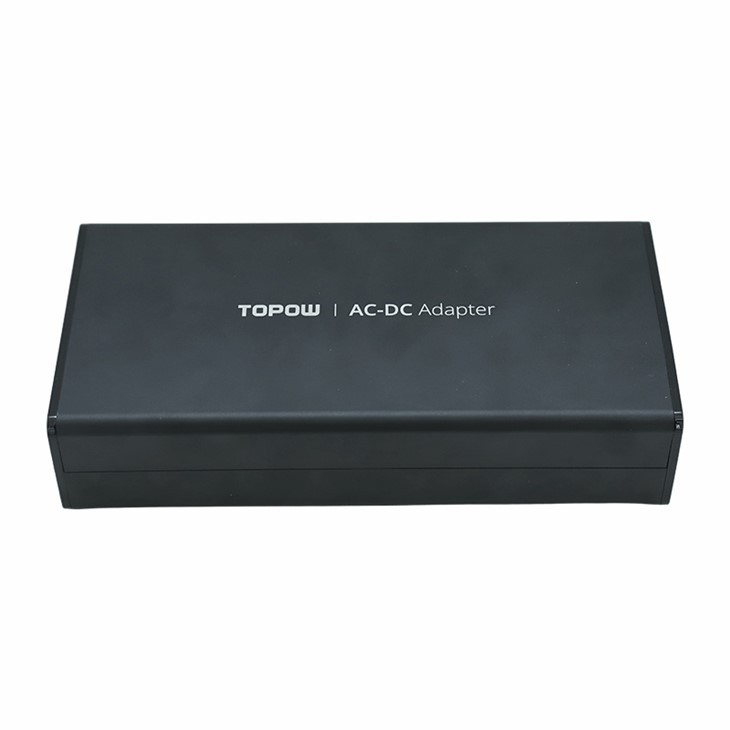

If you're in the market for a high - quality 58V battery charger, we've got you covered. Check out our 58V Battery Charger on our website. We also offer Electrical Scooter Charger and Portable Ebike Battery Charger options. If you have any questions or are interested in purchasing our products, feel free to reach out for a procurement discussion. We're here to help you find the best charging solutions for your needs.
References
- General knowledge on electrical device maintenance and charger technology.
- Manufacturer's guides for 58V battery chargers.