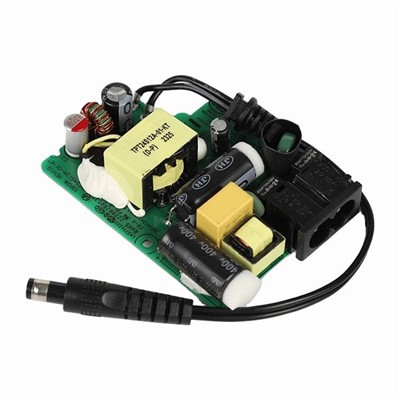

Hey there! As a supplier of AC Adapter For Pc, I often get asked about how to measure the output voltage of an AC adapter for a PC. It's a crucial step, especially when you're dealing with different devices and power requirements. In this blog, I'm gonna walk you through the whole process, from why it's important to the actual steps of measuring.
Why Measuring Output Voltage Matters
First off, let's talk about why you need to measure the output voltage of your AC adapter. PCs are sensitive devices, and they require a specific voltage to function properly. If the output voltage is too high, it can damage your PC's internal components, like the motherboard or the hard drive. On the other hand, if the voltage is too low, your PC might not start up at all, or it could experience frequent crashes and freezes.
For example, our 50w Power Adapter is designed to provide a stable output voltage for certain types of PCs. But over time, the adapter might experience wear and tear, which can affect its voltage output. By measuring the voltage regularly, you can catch any issues early and replace the adapter before it causes any serious damage to your PC.


Tools You'll Need
Before you start measuring the output voltage, you'll need a few tools. The most important one is a multimeter. A multimeter is a handy device that can measure various electrical properties, including voltage, current, and resistance. You can find a good multimeter at any electronics store or online.
Here's what you'll need:
- Multimeter: Make sure it can measure AC voltage. Most modern multimeters have this function, but it's always a good idea to double-check.
- Safety Gloves: Electrical work can be dangerous, so it's important to wear safety gloves to protect yourself from electric shocks.
- Insulated Screwdriver: You might need to open the adapter to access the output terminals, so an insulated screwdriver is essential.
Preparing the Multimeter
Once you have all the tools, it's time to prepare the multimeter. Here's how you do it:
- Turn on the Multimeter: Locate the power switch on the multimeter and turn it on.
- Select the Voltage Setting: Set the multimeter to measure AC voltage. The symbol for AC voltage is usually a wavy line (~). Make sure you select the appropriate voltage range. If you're not sure, start with the highest range and then adjust it as needed.
- Connect the Probes: The multimeter comes with two probes: a red probe and a black probe. Connect the red probe to the positive terminal (usually marked with a "+") and the black probe to the negative terminal (usually marked with a "-").
Measuring the Output Voltage
Now that the multimeter is ready, it's time to measure the output voltage of the AC adapter. Here's the step-by-step process:
- Unplug the Adapter: Before you start measuring, make sure the adapter is unplugged from the power source. This will prevent any electrical accidents.
- Open the Adapter: Use the insulated screwdriver to open the adapter case. Be careful not to damage any of the internal components.
- Locate the Output Terminals: Inside the adapter, you'll see two terminals where the output voltage is generated. These terminals are usually marked with "+" and "-".
- Connect the Probes: Carefully connect the red probe to the positive terminal and the black probe to the negative terminal. Make sure the probes are making good contact with the terminals.
- Plug in the Adapter: Once the probes are connected, plug the adapter back into the power source.
- Read the Voltage: Look at the multimeter display. The reading will show the output voltage of the adapter. Compare the reading with the rated voltage on the adapter label. If the reading is within the acceptable range, the adapter is working properly. If the reading is significantly higher or lower than the rated voltage, the adapter might be faulty and needs to be replaced.
Interpreting the Results
After you've measured the output voltage, it's important to interpret the results correctly. Here's what different readings might mean:
- Within the Rated Range: If the measured voltage is within the rated range specified on the adapter label, the adapter is working fine. You can continue using it without any worries.
- Higher than the Rated Voltage: If the measured voltage is higher than the rated voltage, it could be a sign of a problem with the adapter. This could be due to a faulty transformer or a short circuit inside the adapter. In this case, it's best to stop using the adapter immediately and replace it with a new one.
- Lower than the Rated Voltage: If the measured voltage is lower than the rated voltage, it could indicate a problem with the power source or the adapter itself. Check if the power outlet is working properly and if there are any loose connections. If the problem persists, the adapter might be faulty and needs to be replaced.
Tips for Accurate Measurements
To get the most accurate measurements, here are a few tips:
- Use a Good Quality Multimeter: A cheap or low-quality multimeter might give inaccurate readings. Invest in a good quality multimeter to ensure accurate measurements.
- Check the Probes: Make sure the probes are clean and in good condition. Dirty or damaged probes can affect the accuracy of the measurements.
- Measure Multiple Times: To get a more accurate reading, measure the voltage multiple times and take the average. This will help reduce any errors caused by fluctuations in the power supply.
Conclusion
Measuring the output voltage of an AC adapter for a PC is a simple but important task. By following the steps outlined in this blog, you can ensure that your PC is getting the right amount of power and avoid any potential damage to your device. Remember to always use the right tools and take the necessary safety precautions when working with electricity.
If you're in the market for a new AC Adapter For Pc or a 24w Power Adapter, we've got you covered. We offer a wide range of high-quality power adapters that are designed to meet the needs of different PCs. If you have any questions or need further assistance, feel free to reach out to us for a procurement discussion. We're here to help you find the perfect power solution for your PC.
References
- Electronics textbooks on basic electrical measurements
- Manufacturer's manuals for multimeters and AC adapters