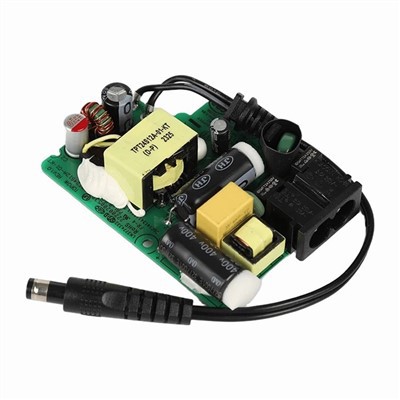

Is a PoE Power Supply Safe?
As a supplier of PoE (Power over Ethernet) power supplies, I often get asked about the safety of these devices. In this blog post, I'll delve into the safety aspects of PoE power supplies, exploring the technology, standards, and potential risks to help you understand whether they are a safe choice for your network infrastructure.
Understanding PoE Technology
PoE is a technology that allows electrical power to be transmitted over Ethernet cables, eliminating the need for separate power cables for network devices such as IP cameras, wireless access points, and VoIP phones. This integration of power and data transmission simplifies installation, reduces costs, and enhances flexibility in network deployment.
The basic principle of PoE involves a power source, typically a PoE injector or a PoE switch, which injects power onto the Ethernet cable. The powered device (PD) then extracts the power from the cable and uses it to operate. There are different standards for PoE, including IEEE 802.3af (PoE), IEEE 802.3at (PoE+), and IEEE 802.3bt (4PPoE), each offering different power levels and capabilities.
Safety Standards and Certifications
One of the key factors that ensure the safety of PoE power supplies is the adherence to international standards and certifications. The IEEE standards mentioned above not only define the power delivery specifications but also include safety requirements to protect both the power source and the powered devices.
For example, the standards specify the maximum voltage and current levels that can be delivered over the Ethernet cable, as well as the methods for detecting and negotiating power requirements between the power source and the PD. This helps prevent overloading and short - circuits, which are common causes of electrical hazards.
In addition to IEEE standards, PoE power supplies may also be certified by other organizations such as UL (Underwriters Laboratories) and CE (Conformité Européene). UL certification indicates that the product has been tested and meets the safety requirements set by UL, while CE marking shows compliance with European safety, health, and environmental protection standards.
Built - in Safety Features
Most modern PoE power supplies are equipped with a range of built - in safety features to further enhance their safety. These features include:
Over - voltage Protection (OVP)
OVP is designed to prevent the voltage supplied to the PD from exceeding a safe level. If the voltage rises above the predefined threshold, the OVP circuit will automatically cut off the power supply to protect the device from damage.
Over - current Protection (OCP)
OCP monitors the current flowing through the Ethernet cable. If the current exceeds the rated capacity of the power supply or the PD, the OCP mechanism will limit or shut off the power to prevent overheating and potential fire hazards.
Short - circuit Protection (SCP)
In the event of a short - circuit in the Ethernet cable or the PD, the SCP feature will immediately interrupt the power flow. This helps prevent excessive current from flowing and causing damage to the power supply and other connected devices.
Over - temperature Protection (OTP)
OTP continuously monitors the temperature of the power supply. If the temperature rises above a safe level, the OTP system will reduce the power output or shut down the device to prevent overheating and component failure.
Potential Risks and Mitigations
While PoE power supplies are generally safe when used correctly, there are still some potential risks that need to be considered.
Electrical Shock
Although the voltage levels in PoE systems are relatively low compared to traditional electrical systems, there is still a risk of electrical shock if the system is not properly installed or maintained. To mitigate this risk, it is important to ensure that all installation work is carried out by qualified personnel and that the power supply is installed in a dry and well - ventilated environment.
Fire Hazard
Overloading the PoE system or using non - compliant devices can lead to overheating, which in turn can pose a fire hazard. To prevent this, it is crucial to carefully calculate the power requirements of all connected devices and choose a PoE power supply with sufficient capacity. Additionally, using only certified and compliant devices can significantly reduce the risk of fire.
Interference with Other Equipment
PoE power supplies may generate electromagnetic interference (EMI) that can affect the performance of other nearby electronic equipment. To minimize EMI, PoE power supplies are often designed with shielding and filtering components. It is also important to follow proper cable routing and installation practices to reduce the impact of EMI.
Real - World Applications and Safety
In real - world applications, PoE power supplies have proven to be a safe and reliable solution for powering network devices. For example, in a large - scale security camera system, PoE technology allows for easy installation of multiple cameras without the need for extensive electrical wiring. The built - in safety features of the PoE power supplies ensure that the cameras operate safely and continuously.
In the case of a wireless access point deployment in a commercial building, PoE switches can provide power to multiple access points throughout the building. The compliance with safety standards and the presence of safety features in these switches guarantee the safety of the network infrastructure and the users.
Choosing a Safe PoE Power Supply
When choosing a PoE power supply, it is essential to look for products that are compliant with relevant standards and have appropriate certifications. As a supplier, I recommend considering products from reputable manufacturers that have a proven track record of quality and safety.
For example, our 90W POE Injector is designed to meet the IEEE 802.3bt standard and is UL - certified. It offers high - power delivery with advanced safety features such as OVP, OCP, SCP, and OTP. Similarly, our 60W POE Switch is compliant with IEEE 802.3at and also comes with comprehensive safety protections.
Conclusion
In conclusion, PoE power supplies are generally safe when they are designed, manufactured, and used in accordance with relevant standards and best practices. The combination of international standards, built - in safety features, and proper installation and maintenance significantly reduces the potential risks associated with these devices.


If you are considering using PoE power supplies for your network infrastructure, I encourage you to reach out to us for more information. We can provide you with detailed product specifications, safety information, and help you choose the right PoE solution for your specific needs. Whether you are a small business owner looking to set up a simple network or a large enterprise in need of a complex power - over - Ethernet system, we are here to assist you. Contact us today to start a discussion about your PoE power supply requirements and let us help you build a safe and reliable network.
References
- IEEE 802.3af Standard for Ethernet - Part 3: Physical Layer and Management Parameters for Power over Ethernet
- IEEE 802.3at Standard for Ethernet - Part 3: Physical Layer and Management Parameters for Power over Ethernet Plus
- IEEE 802.3bt Standard for Ethernet - Part 3: Physical Layer and Management Parameters for 4 - Pair Power over Ethernet
- UL Safety Standards for Electrical Equipment
- CE Marking Directive for European Electrical Products