
Hey there! As an energy storage supplier, I've seen firsthand how crucial energy storage systems are in today's world. Whether it's for powering homes during outages, running outdoor equipment, or storing renewable energy, the efficiency of these systems can make or break their performance. So, let's dive into the factors that affect the efficiency of energy storage systems.
Battery Technology
The type of battery used in an energy storage system is one of the most significant factors affecting its efficiency. Different battery chemistries have different characteristics, including energy density, charge-discharge efficiency, and lifespan.


- Lead-Acid Batteries: These are the oldest and most common type of rechargeable battery. They're relatively inexpensive and have a high surge current, making them suitable for applications like starting engines. However, they have a low energy density and a relatively short lifespan, which can limit their efficiency in long-term energy storage.
- Lithium-Ion Batteries: Lithium-ion batteries are widely used in portable electronics and electric vehicles due to their high energy density, long lifespan, and low self-discharge rate. They also have a high charge-discharge efficiency, which means they can store and release energy more effectively. For example, our LiFePO4 Portable Power Station uses lithium iron phosphate (LiFePO4) battery technology, which offers excellent safety, long cycle life, and high efficiency.
- Flow Batteries: Flow batteries are a type of rechargeable battery that stores energy in liquid electrolytes. They have a high energy density and can be scaled up easily, making them suitable for large-scale energy storage applications. However, they're relatively expensive and have a lower charge-discharge efficiency compared to lithium-ion batteries.
Charging and Discharging Rates
The rate at which an energy storage system is charged and discharged can also affect its efficiency. Charging a battery too quickly can generate heat, which can reduce its lifespan and efficiency. Similarly, discharging a battery too quickly can cause voltage drops and reduce its capacity.
- Slow Charging: Slow charging is generally more efficient than fast charging because it allows the battery to absorb the energy more evenly. This reduces the amount of heat generated and helps to preserve the battery's lifespan. However, slow charging can take longer, which may not be suitable for applications where quick charging is required.
- Fast Charging: Fast charging is becoming increasingly popular, especially for electric vehicles and portable electronics. However, it can be less efficient than slow charging because it generates more heat and can cause the battery to degrade more quickly. To mitigate these issues, many energy storage systems use advanced charging algorithms and thermal management systems to ensure safe and efficient fast charging.
- Discharging Rates: The discharging rate of an energy storage system should also be carefully considered. Discharging a battery too quickly can cause voltage drops and reduce its capacity. On the other hand, discharging a battery too slowly can also reduce its efficiency because it may not be able to deliver the required power when needed.
Temperature
Temperature is another important factor that can affect the efficiency of energy storage systems. Batteries perform best within a certain temperature range, and operating them outside of this range can reduce their efficiency and lifespan.
- High Temperatures: High temperatures can cause the battery to degrade more quickly and reduce its capacity. They can also increase the self-discharge rate, which means the battery will lose its charge more quickly when not in use. To prevent these issues, many energy storage systems use thermal management systems to keep the battery temperature within a safe range.
- Low Temperatures: Low temperatures can also reduce the efficiency of a battery by increasing its internal resistance. This means that the battery will require more energy to charge and discharge, which can reduce its overall efficiency. To mitigate these issues, some energy storage systems use heating elements to keep the battery warm in cold environments.
System Design and Integration
The design and integration of an energy storage system can also have a significant impact on its efficiency. A well-designed system will minimize energy losses and ensure that the battery is used effectively.
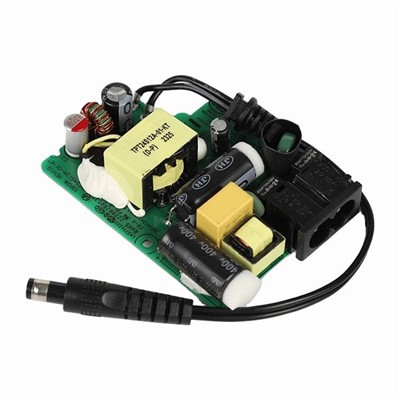
- Power Electronics: Power electronics are used to convert the DC power stored in the battery into AC power that can be used by electrical devices. The efficiency of the power electronics can have a significant impact on the overall efficiency of the energy storage system. High-quality power electronics with a high efficiency rating will minimize energy losses and ensure that the system operates as efficiently as possible.
- Battery Management System (BMS): A BMS is used to monitor and control the charging and discharging of the battery. It helps to ensure that the battery is charged and discharged safely and efficiently, and it can also protect the battery from overcharging, over-discharging, and overheating. A good BMS will help to extend the lifespan of the battery and improve the overall efficiency of the energy storage system.
- System Integration: The integration of the energy storage system with other components, such as solar panels, wind turbines, and electrical loads, is also important. A well-integrated system will ensure that the energy storage system is used effectively and that the energy generated by renewable sources is stored and used efficiently.
Maintenance and Monitoring
Regular maintenance and monitoring are essential for ensuring the efficiency and longevity of an energy storage system. By keeping the system clean, checking the battery voltage and temperature, and performing regular maintenance tasks, you can help to prevent issues and ensure that the system operates at its best.
- Regular Inspections: Regular inspections of the energy storage system can help to identify any potential issues before they become major problems. This includes checking the battery connections, looking for signs of damage or wear, and testing the system's performance.
- Battery Replacement: Over time, the battery in an energy storage system will degrade and lose its capacity. When this happens, it's important to replace the battery to ensure that the system continues to operate efficiently. Our 300w Portable Power Station uses high-quality batteries that are designed to last, but it's still important to monitor the battery's performance and replace it when necessary.
- Monitoring and Analytics: Many energy storage systems come with monitoring and analytics tools that allow you to track the system's performance and identify any issues. By using these tools, you can optimize the system's operation and ensure that it's used as efficiently as possible.
Conclusion
In conclusion, the efficiency of energy storage systems is affected by a variety of factors, including battery technology, charging and discharging rates, temperature, system design and integration, and maintenance and monitoring. By understanding these factors and taking steps to optimize the performance of your energy storage system, you can ensure that it operates at its best and provides reliable and efficient energy storage for your needs.
If you're interested in learning more about our energy storage products or have any questions about energy storage systems, please don't hesitate to contact us. We'd be happy to discuss your specific requirements and help you find the right solution for your needs.
References
- "Battery Technology and Energy Storage Systems." Energy.gov.
- "Factors Affecting the Efficiency of Energy Storage Systems." Renewable Energy World.
- "Temperature Effects on Battery Performance." Battery University.