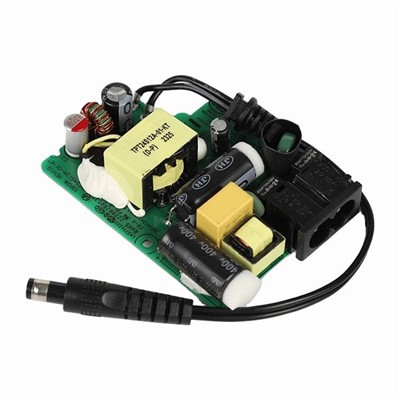

As a supplier of 48V EV chargers, I often get asked about the charging speed of these devices. The charging speed of a 48V EV charger is a critical factor that impacts the user experience, especially for electric vehicle (EV) owners who rely on quick and efficient charging. In this blog, I'll delve into what determines the charging speed of a 48V EV charger, how it varies, and what you can expect in real - world scenarios.
Understanding the Basics of Charging Speed
The charging speed of a 48V EV charger is primarily measured in terms of the power it can deliver to the battery. Power is calculated using the formula P = V × I, where P is power in watts (W), V is voltage in volts (V), and I is current in amperes (A). For a 48V charger, the voltage is fixed at 48V, so the charging speed mainly depends on the current it can supply.
Let's say we have a 48V charger with a current output of 5A. Using the power formula, the power of this charger is P = 48V × 5A = 240W. A higher - power charger will generally charge the battery faster, all other things being equal.
Factors Affecting Charging Speed
Battery Capacity
The capacity of the battery being charged is a significant factor. Battery capacity is usually measured in amp - hours (Ah). A larger - capacity battery will take longer to charge than a smaller one, even with the same charger. For example, a 48V, 20Ah battery has a total energy storage of 48V × 20Ah = 960Wh. If we use a 240W charger, in theory, it would take about 4 hours to fully charge the battery (960Wh÷240W = 4h). However, in reality, charging is not 100% efficient, and there are other factors at play, so the actual charging time will be longer.
Charger Rating
As mentioned earlier, the power rating of the charger is crucial. Chargers with higher current outputs can deliver more power to the battery, resulting in faster charging. For instance, a 48V, 10A charger has a power output of 48V × 10A = 480W, which is twice as powerful as a 240W charger. This means it can potentially charge the same battery in half the time, assuming the battery can accept the higher current.
Battery State of Charge
The state of charge (SOC) of the battery also affects the charging speed. When the battery is at a low SOC, it can usually accept a higher charging current. As the battery approaches full charge, the charging current is often reduced to protect the battery from over - charging. This is known as the constant - current (CC) and constant - voltage (CV) charging method. During the CC phase, the charger supplies a constant current to the battery until it reaches a certain voltage. Then, in the CV phase, the charger maintains a constant voltage while the current gradually decreases.
Temperature
Temperature has a significant impact on battery charging. Batteries generally charge best within a certain temperature range, typically between 20°C and 40°C. If the temperature is too low, the chemical reactions inside the battery slow down, reducing the charging speed. On the other hand, if the temperature is too high, it can cause damage to the battery and also affect the charging efficiency.
Real - World Charging Times
In real - world scenarios, the charging time of a 48V battery with a 48V charger can vary widely. For a small - capacity battery, such as a 48V, 10Ah battery, a 240W charger might take around 2 - 3 hours to fully charge from a low SOC. For a larger 48V, 30Ah battery, it could take 6 - 8 hours or more, depending on the charger's power and other factors.
It's important to note that some EVs are equipped with onboard chargers that have limitations on the maximum charging current they can accept. Even if you have a high - power charger, the onboard charger may restrict the charging speed to protect the battery and the vehicle's electrical system.
Our 48V EV Chargers
As a supplier of 48V EV chargers, we offer a range of products with different power ratings to meet the diverse needs of our customers. Our chargers are designed with advanced technology to ensure efficient and safe charging. We understand that different applications, such as electric bikes, electric scooters, and small electric vehicles, have different charging requirements.
For those looking for a more versatile option, our Portable Ebike Battery Charger is a great choice. It is lightweight and easy to carry, making it ideal for on - the - go charging. If you have an electrical scooter, our Electrical Scooter Charger is specifically designed to provide fast and reliable charging for your scooter's 48V battery. And for those with slightly higher - voltage requirements, our 58V Battery Charger can also be a suitable alternative in some cases.
Conclusion
The charging speed of a 48V EV charger is influenced by multiple factors, including battery capacity, charger rating, battery state of charge, and temperature. Understanding these factors can help EV owners make informed decisions about their charging needs. As a supplier, we are committed to providing high - quality 48V chargers that offer efficient and safe charging solutions.
If you are interested in our 48V EV chargers or have any questions about charging speed and our products, we invite you to contact us for a procurement discussion. We look forward to working with you to meet your EV charging requirements.

References
- Linden, D., & Reddy, T. B. (2002). Handbook of Batteries. McGraw - Hill.
- Pistoia, G. (2010). Lithium - ion Batteries: Advances and Applications. Elsevier.