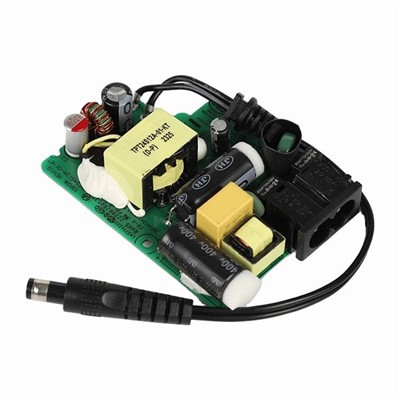

Hey there! As a micro inverter supplier, I've been getting a lot of questions lately about the compatibility of micro inverters with different battery chemistries. So, I thought I'd sit down and write a blog post to clear things up.
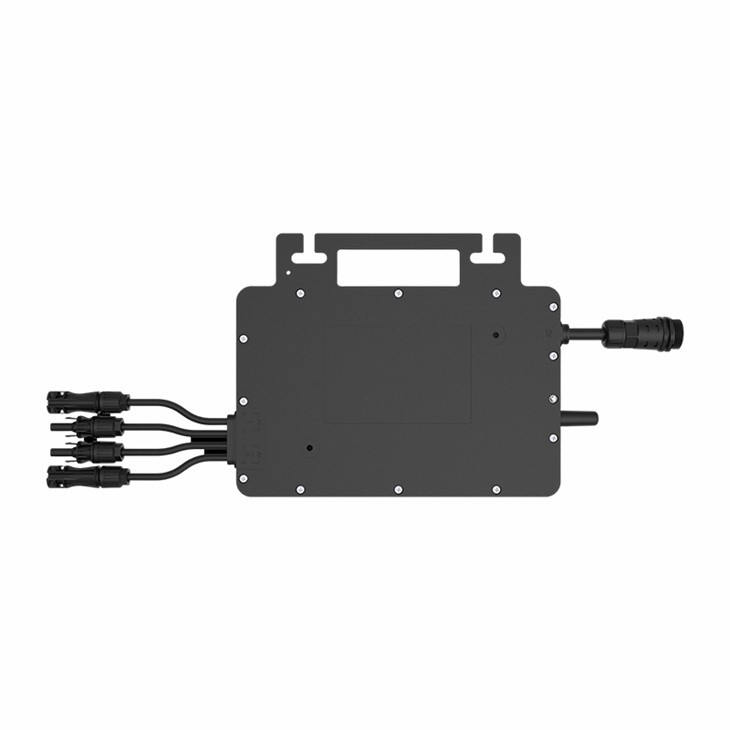
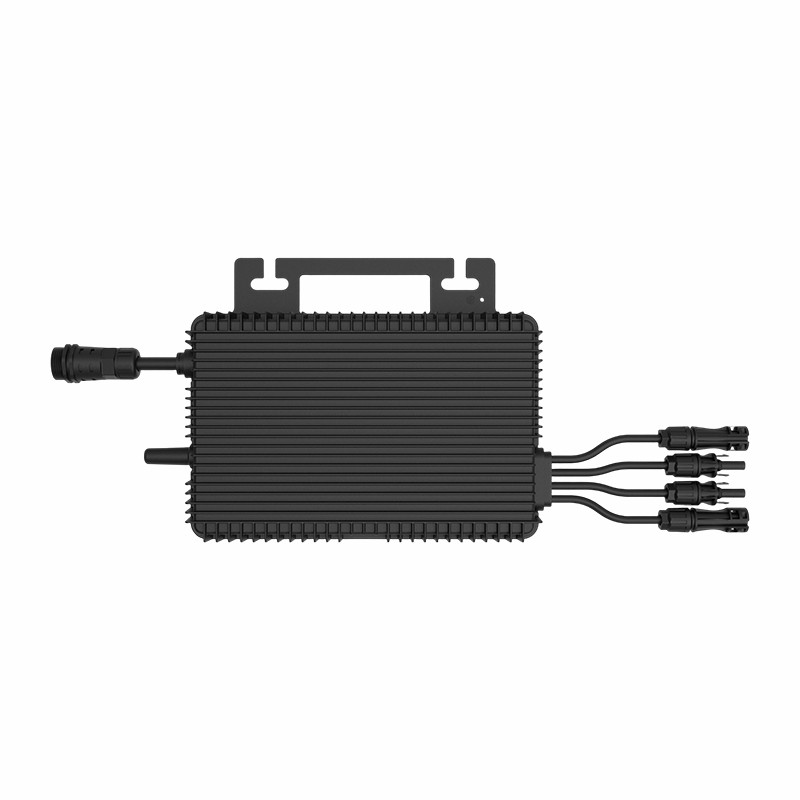
First off, let's talk about what a micro inverter is. Simply put, a micro inverter is a device that converts direct current (DC) from solar panels into alternating current (AC) that can be used in your home or business. Unlike traditional string inverters, which are connected to multiple solar panels in a series, micro inverters are installed on each individual solar panel. This means that each panel can operate independently, maximizing energy production and reducing the impact of shading or panel mismatch.
Now, let's get into the main topic: compatibility with different battery chemistries. When it comes to energy storage systems, there are several different types of batteries available, each with its own unique characteristics and advantages. The most common battery chemistries used in solar energy storage are lead-acid, lithium-ion, and nickel-based batteries.
Lead-Acid Batteries
Lead-acid batteries are one of the oldest and most widely used battery chemistries. They're relatively inexpensive, have a long history of use, and are available in a variety of sizes and configurations. However, they also have some drawbacks. Lead-acid batteries are heavy, have a relatively low energy density, and require regular maintenance.
In terms of compatibility with micro inverters, lead-acid batteries are generally compatible with most micro inverters on the market. However, there are a few things to keep in mind. First, lead-acid batteries have a relatively low charge and discharge rate, which means that they may not be able to handle the high power output of some micro inverters. Second, lead-acid batteries require a specific charging profile to ensure optimal performance and longevity. Make sure to choose a micro inverter that is compatible with the charging requirements of your lead-acid battery.
Lithium-Ion Batteries
Lithium-ion batteries are becoming increasingly popular in solar energy storage systems due to their high energy density, long lifespan, and low maintenance requirements. They're also lighter and more compact than lead-acid batteries, making them a great choice for residential and commercial applications.
When it comes to compatibility with micro inverters, lithium-ion batteries are generally very compatible. Most micro inverters on the market are designed to work with lithium-ion batteries, and many have built-in features to optimize the charging and discharging of these batteries. However, it's still important to choose a micro inverter that is specifically designed for use with lithium-ion batteries to ensure optimal performance and safety.
One of the key advantages of lithium-ion batteries is their ability to handle high charge and discharge rates. This means that they can work well with high-power micro inverters, such as the 800w Micro Inverter. The high power output of these micro inverters can help to maximize the energy production of your solar panels and charge your lithium-ion battery more quickly.
Nickel-Based Batteries
Nickel-based batteries, such as nickel-cadmium (NiCd) and nickel-metal hydride (NiMH) batteries, are less commonly used in solar energy storage systems than lead-acid and lithium-ion batteries. However, they still have some advantages, such as a long lifespan, high charge and discharge rates, and good performance in cold temperatures.
In terms of compatibility with micro inverters, nickel-based batteries are generally compatible with most micro inverters on the market. However, like lead-acid and lithium-ion batteries, they have specific charging requirements that need to be met to ensure optimal performance and longevity. Make sure to choose a micro inverter that is compatible with the charging requirements of your nickel-based battery.
Factors to Consider
When choosing a micro inverter for your solar energy storage system, there are several factors to consider in addition to battery chemistry. These include:
- Power Output: Make sure to choose a micro inverter with a power output that is compatible with the size and capacity of your solar panels and battery.
- Efficiency: Look for a micro inverter with high efficiency to maximize the energy production of your solar panels and reduce your electricity bills.
- Safety Features: Choose a micro inverter with built-in safety features, such as overvoltage protection, overcurrent protection, and short-circuit protection, to ensure the safety of your system.
- Compatibility: Make sure to choose a micro inverter that is compatible with the type of battery chemistry you're using, as well as any other components of your solar energy storage system.
- Warranty: Look for a micro inverter with a long warranty to protect your investment and give you peace of mind.
Conclusion
In conclusion, the compatibility of micro inverters with different battery chemistries is an important consideration when designing a solar energy storage system. While most micro inverters on the market are compatible with a variety of battery chemistries, it's still important to choose a micro inverter that is specifically designed for use with the type of battery you're using to ensure optimal performance and safety.
If you're in the market for a micro inverter for your solar energy storage system, I'd be happy to help. As a micro inverter supplier, I have a wide range of products to choose from, and I can help you find the right micro inverter for your specific needs. Whether you're using lead-acid, lithium-ion, or nickel-based batteries, I can provide you with a high-quality micro inverter that will work well with your system.
So, if you're interested in learning more about our micro inverters or have any questions about compatibility with different battery chemistries, please don't hesitate to contact me. I'd be happy to discuss your options and help you make an informed decision. Let's work together to create a more sustainable future with solar energy!
References
- "Battery Chemistry and Solar Energy Storage." Solar Power World.
- "Micro Inverters: How They Work and Why They're Important." EnergySage.
- "Choosing the Right Battery for Your Solar Energy Storage System." Renewable Energy World.