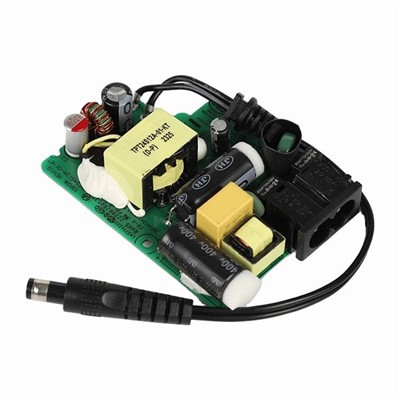

As a provider of micro inverters, I've witnessed firsthand the pivotal role these devices play in solar energy systems. Micro inverters are essential for converting direct current (DC) generated by solar panels into alternating current (AC) for use in homes and businesses. One crucial factor that significantly affects their performance is temperature. In this blog, I'll explore the impact of temperature on the efficiency of micro inverters and why it matters for both residential and commercial solar installations.

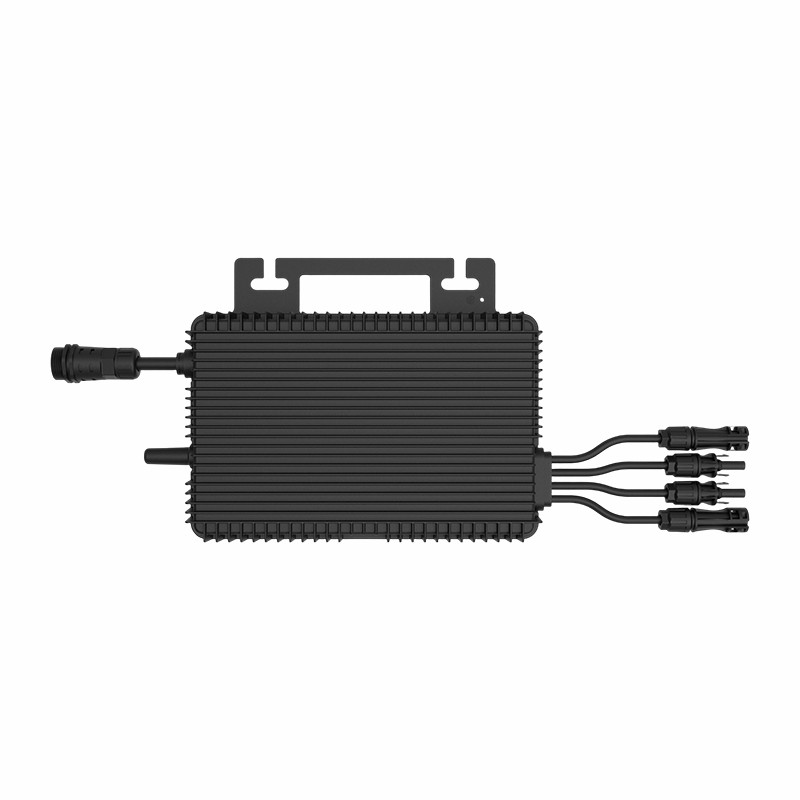
How Micro Inverters Work
Before delving into the impact of temperature, it's essential to understand how micro inverters function. Unlike traditional string inverters that are connected to multiple solar panels in a series, micro inverters are installed on each individual solar panel. This setup allows each panel to operate independently, maximizing energy production by mitigating the effects of shading, panel mismatch, and other issues.
When sunlight hits a solar panel, it generates DC electricity. The micro inverter then converts this DC power into AC power, which can be used immediately or fed back into the grid. This process is highly efficient, but it's not immune to external factors, including temperature.
The Relationship Between Temperature and Micro Inverter Efficiency
Temperature has a direct impact on the efficiency of micro inverters. As the temperature rises, the efficiency of the inverter tends to decrease. This phenomenon is known as temperature derating. There are several reasons for this decline in performance:
1. Electrical Resistance
As the temperature increases, the electrical resistance of the components within the micro inverter also rises. This increased resistance leads to higher power losses in the form of heat. According to the laws of thermodynamics, the more heat is generated, the less efficient the inverter becomes. For example, a typical micro inverter may experience a 0.3% - 0.5% decrease in efficiency for every degree Celsius increase in temperature above its rated operating temperature.
2. Semiconductor Performance
Micro inverters rely on semiconductor devices, such as diodes and transistors, to convert DC to AC power. These semiconductors are sensitive to temperature changes. At higher temperatures, the mobility of charge carriers within the semiconductors decreases, which can lead to reduced switching speeds and increased power dissipation. This, in turn, results in lower overall efficiency.
3. Thermal Stress
Excessive heat can cause thermal stress on the components of the micro inverter. Over time, this stress can lead to mechanical failures, such as solder joint cracking and component degradation. These failures not only reduce the efficiency of the inverter but can also lead to premature equipment failure, increasing maintenance costs and downtime.
Case Studies: Real - World Impact of Temperature on Micro Inverters
To illustrate the real - world impact of temperature on micro inverter efficiency, let's look at a few case studies.
Case Study 1: Residential Installation in a Hot Climate
In a residential solar installation in a desert region, where average summer temperatures can reach 45°C (113°F), the micro inverters were initially performing well. However, as the temperature soared, the homeowners noticed a significant drop in their energy production. After analyzing the data, it was found that the micro inverters were operating at an efficiency of only 85% during the hottest part of the day, compared to their rated efficiency of 95% at normal operating temperatures. This reduction in efficiency led to a 10% decrease in overall energy output from the solar system.
Case Study 2: Commercial Installation in a Humid Environment
A commercial solar installation in a coastal area experienced high humidity and relatively high temperatures. The micro inverters in this system were installed in an enclosed cabinet, which further exacerbated the heat buildup. Over time, the constant exposure to high temperatures and humidity led to corrosion of the internal components, resulting in a gradual decline in efficiency. The facility had to replace several micro inverters prematurely, incurring significant costs.
Mitigating the Impact of Temperature on Micro Inverter Efficiency
As a micro inverter provider, we understand the importance of mitigating the impact of temperature on efficiency. Here are some strategies that can be employed:
1. Proper Installation
Proper installation is crucial for ensuring good ventilation and heat dissipation. Micro inverters should be installed in a well - ventilated area, away from direct sunlight and other heat sources. Mounting the inverters on a heat - dissipating surface, such as a metal panel, can also help transfer heat away from the device.
2. Thermal Management Systems
Some advanced micro inverters are equipped with thermal management systems, such as heat sinks and fans. These systems help regulate the temperature of the inverter by dissipating heat more effectively. For example, a heat sink can increase the surface area available for heat transfer, while a fan can circulate air around the inverter to keep it cool.
3. Temperature - Compensated Design
Manufacturers can design micro inverters with temperature - compensated features. These features adjust the operating parameters of the inverter based on the temperature, ensuring optimal performance across a wide range of temperatures. For instance, the inverter may adjust its switching frequency or voltage levels to maintain efficiency as the temperature changes.
The Importance of Choosing the Right Micro Inverter
When selecting a micro inverter for a solar installation, it's essential to consider its temperature performance. Look for inverters that are designed to operate efficiently in a wide range of temperatures. Some inverters are specifically rated for high - temperature environments and can maintain a high level of efficiency even in extreme heat.
One option that we recommend is our 800w Micro Inverter. This inverter is designed with advanced thermal management technology, allowing it to operate efficiently in temperatures up to 50°C (122°F). It also features temperature - compensated design, ensuring optimal performance regardless of the ambient temperature.
Conclusion
Temperature has a significant impact on the efficiency of micro inverters. As the temperature rises, the efficiency of the inverter decreases due to factors such as increased electrical resistance, semiconductor performance degradation, and thermal stress. However, by employing proper installation techniques, thermal management systems, and choosing the right micro inverter, it's possible to mitigate these effects and ensure optimal performance of the solar energy system.
If you're considering a solar installation or looking to upgrade your existing system, we're here to help. Our team of experts can provide you with detailed information about our micro inverters and help you choose the best solution for your needs. Contact us today to start a discussion about your solar energy requirements and explore how our products can enhance the efficiency and reliability of your solar system.
References
- "Solar Inverter Efficiency and Performance: A Comprehensive Guide." Solar Energy Industries Association.
- "Temperature Effects on Semiconductor Devices." IEEE Transactions on Electron Devices.
- "Thermal Management in Power Electronics." Power Electronics Society.