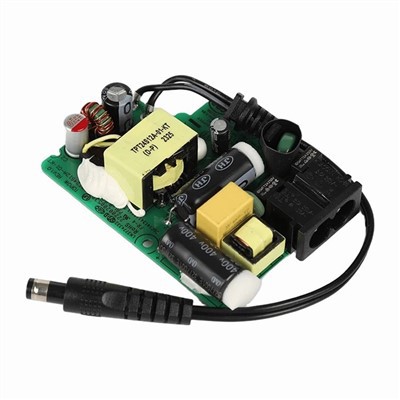

Hey there! As a supplier of Electrical Scooter Chargers, I often get asked about the maximum charging current of these chargers. It's a crucial topic for both scooter owners and those in the industry, so let's dive right in and explore it together.
First off, what exactly is charging current? Well, in simple terms, it's the rate at which electrical energy is transferred from the charger to the scooter's battery. Think of it like the flow rate of water into a bucket. The higher the charging current, the faster the battery gets charged. But, like with the water flow, there's a limit to how much the battery can handle.
Now, the maximum charging current of an electrical scooter charger can vary quite a bit. It depends on several factors, such as the battery's capacity, its chemistry, and the design of the charger itself.

Let's start with battery capacity. Batteries are typically rated in amp - hours (Ah). A larger capacity battery can generally handle a higher charging current. For example, a small - capacity battery, say around 10Ah, might have a maximum charging current of 1 - 2A. On the other hand, a larger 30Ah battery could handle 3 - 5A or even more. But it's not just about the size; the type of battery chemistry also plays a huge role.
The most common battery chemistries in electrical scooters are lead - acid and lithium - ion. Lead - acid batteries are more forgiving when it comes to charging current. They can usually tolerate relatively high currents during the bulk charging phase. However, if the charging current is too high for too long, it can cause overheating and reduce the battery's lifespan. A typical lead - acid battery charger might have a maximum charging current in the range of 5 - 10A, depending on the battery size.
Lithium - ion batteries, on the other hand, are more sensitive. They require a more precise charging process to ensure safety and longevity. Overcharging or using too high a charging current can lead to thermal runaway, which is a serious safety hazard. Most lithium - ion battery chargers for electrical scooters have a maximum charging current between 2 - 5A. This controlled charging rate helps to protect the battery and maintain its performance over time.
Another factor that affects the maximum charging current is the charger's design. A well - designed charger will have built - in safety features to regulate the charging current. It will monitor the battery's voltage, temperature, and state of charge to ensure that the current doesn't exceed safe levels. Some advanced chargers can even adjust the charging current dynamically based on the battery's condition.
As a supplier, we offer a wide range of chargers to meet different needs. For instance, our EV Charger 48v is designed to provide a stable and efficient charging solution for scooters with 48V batteries. It has a carefully calibrated maximum charging current that is suitable for most common battery capacities and chemistries in this voltage range.
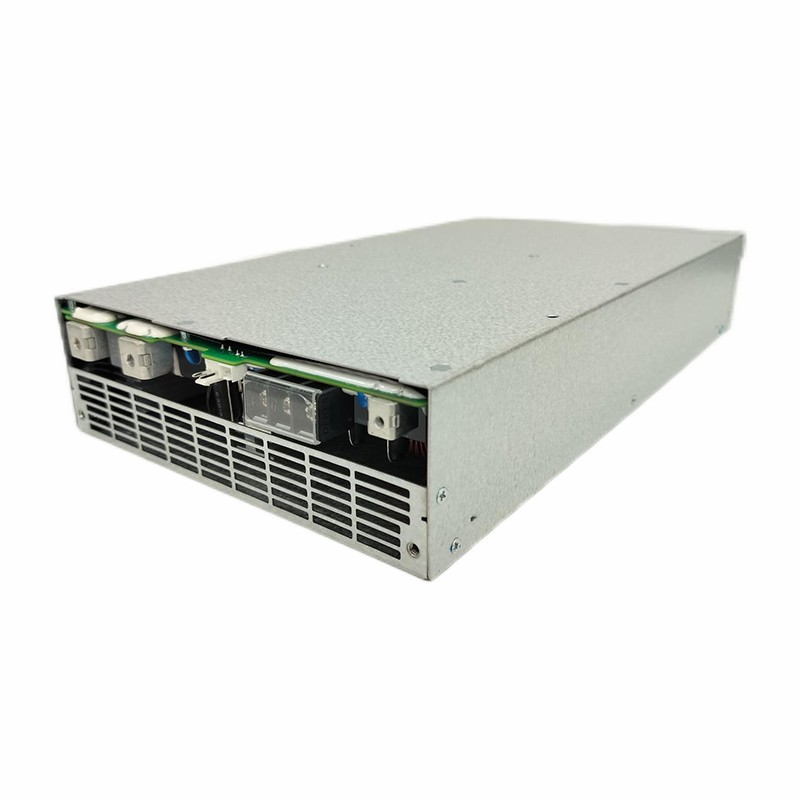
If you're looking for a high - power charger, our 100A Battery Charger might be the right choice. It's designed for larger batteries or applications where fast charging is required. However, it's important to note that using such a high - current charger should be done with caution, as it needs to be compatible with the battery's specifications.
For those who need a portable option, our Portable Ebike Battery Charger is a great pick. It offers a balance between portability and charging performance, with a maximum charging current that is suitable for on - the - go charging.
So, how do you determine the right maximum charging current for your electrical scooter? The first step is to check the battery's specifications. The manufacturer usually provides information about the recommended charging current in the user manual or on the battery label. If you're unsure, it's always a good idea to consult the scooter's manufacturer or a professional in the field.
It's also important to consider the trade - off between charging speed and battery lifespan. While a higher charging current can get your scooter ready to go faster, it might also reduce the battery's overall lifespan. So, finding the right balance is key.
In conclusion, the maximum charging current of an electrical scooter charger depends on multiple factors, including battery capacity, chemistry, and charger design. As a supplier, we're committed to providing chargers that offer a safe and efficient charging experience. Whether you need a fast - charging solution for a large battery or a portable charger for your daily commute, we have the products to meet your needs.
If you're interested in purchasing our Electrical Scooter Chargers or have any questions about the maximum charging current or other charger - related topics, feel free to reach out. We're here to help you make the best choice for your electrical scooter.
References
- Battery University: A comprehensive resource for battery knowledge, including charging current and battery chemistry.
- Electrical scooter manufacturers' user manuals and technical specifications.