
What is the maximum current output of a desktop power adapter?
As a seasoned supplier of desktop power adapters, I've encountered numerous inquiries about the maximum current output of these essential devices. Understanding this aspect is crucial for ensuring the proper functioning and safety of your desktop equipment. In this blog post, I'll delve into the factors that determine the maximum current output of a desktop power adapter, the implications of exceeding this limit, and how to choose the right adapter for your needs.
Understanding Power and Current
Before we dive into the maximum current output, it's important to understand the relationship between power, voltage, and current. Power (measured in watts, W) is the rate at which electrical energy is transferred. Voltage (measured in volts, V) is the electrical potential difference that drives the flow of current. Current (measured in amperes, A) is the flow of electric charge. The relationship between these three quantities is given by the formula:
[ P = V \times I ]
Where ( P ) is power, ( V ) is voltage, and ( I ) is current. This formula shows that for a given power rating, the current output is inversely proportional to the voltage. In other words, a higher voltage allows for a lower current to deliver the same amount of power.

Factors Affecting Maximum Current Output
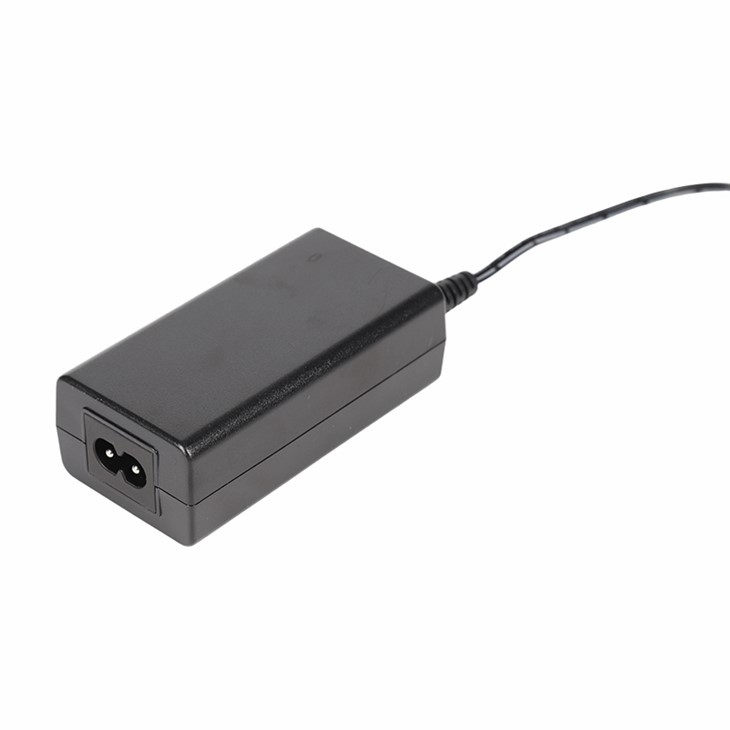
The maximum current output of a desktop power adapter is determined by several factors, including the adapter's design, components, and safety features. Here are some of the key factors to consider:
- Power Rating: The power rating of the adapter is the most important factor in determining its maximum current output. A higher power rating generally means a higher maximum current output. For example, a 150w Power Adapter can deliver more current than a 60W adapter, assuming the same voltage.
- Voltage Output: As mentioned earlier, the voltage output of the adapter affects the current output. A higher voltage allows for a lower current to deliver the same amount of power. Most desktop power adapters have a fixed voltage output, typically 12V, 19V, or 24V.
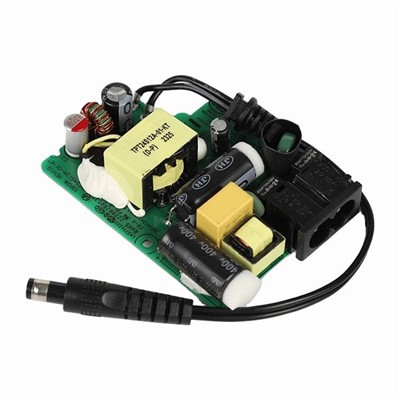
- Transformer Design: The transformer is a key component in the power adapter that converts the input voltage to the desired output voltage. The design of the transformer, including its size, core material, and winding configuration, can affect the maximum current output. A larger transformer with a higher-quality core material can generally handle more current.
- Rectifier and Filtering Components: The rectifier and filtering components in the power adapter convert the alternating current (AC) input to direct current (DC) output and smooth out any fluctuations in the voltage. The quality and capacity of these components can affect the maximum current output. A high-quality rectifier and filtering circuit can handle more current and provide a more stable output.
- Thermal Management: The power adapter generates heat during operation, and excessive heat can reduce its efficiency and lifespan. The thermal management system, including the heat sink, fan, and ventilation holes, is designed to dissipate the heat and keep the adapter within a safe operating temperature range. A well-designed thermal management system can allow the adapter to handle more current without overheating.
Implications of Exceeding the Maximum Current Output
Exceeding the maximum current output of a desktop power adapter can have several negative consequences, including:
- Overheating: When the adapter is forced to deliver more current than it is designed for, it can overheat. Overheating can damage the components in the adapter, reduce its efficiency, and even cause a fire hazard.
- Reduced Lifespan: Overheating and excessive stress on the components can significantly reduce the lifespan of the power adapter. This means you'll have to replace the adapter more frequently, which can be costly.
- Equipment Damage: If the adapter is unable to provide a stable output voltage due to excessive current draw, it can damage the connected desktop equipment. This can result in data loss, system crashes, and other problems.
- Safety Hazards: Exceeding the maximum current output can also pose a safety hazard, such as electrical shock or fire. It's important to always use a power adapter that is rated for the correct voltage and current for your equipment.
Choosing the Right Desktop Power Adapter
To ensure the proper functioning and safety of your desktop equipment, it's important to choose the right power adapter. Here are some tips to help you make the right choice:
- Check the Power Requirements: Before purchasing a power adapter, check the power requirements of your desktop equipment. This information is usually printed on a label on the back of the equipment or in the user manual. Make sure the adapter you choose has a power rating that is equal to or greater than the power requirements of your equipment.
- Match the Voltage Output: The voltage output of the adapter must match the voltage requirements of your equipment. Using an adapter with the wrong voltage can damage your equipment. Most desktop power adapters have a fixed voltage output, so make sure you choose an adapter with the correct voltage.
- Consider the Current Output: In addition to the power rating and voltage output, you also need to consider the current output of the adapter. Make sure the adapter can deliver enough current to meet the needs of your equipment. If you're using multiple devices or high-power components, you may need an adapter with a higher current output.
- Choose a Reputable Brand: When purchasing a power adapter, it's important to choose a reputable brand. A high-quality adapter from a reputable brand is more likely to meet the safety standards and provide a reliable performance.
- Look for Safety Features: Look for a power adapter that has safety features such as overcurrent protection, overvoltage protection, and short-circuit protection. These features can help prevent damage to your equipment and ensure your safety.
Different Types of Desktop Power Adapters
There are several different types of desktop power adapters available on the market, each designed for specific applications. Here are some of the most common types:
- Wifi Router Power Adapter: These adapters are designed to power wifi routers and other networking equipment. They typically have a low power rating, usually between 5W and 20W, and a voltage output of 5V or 12V.
- Gaming PC Adapter: Gaming PCs require a lot of power to run the high-performance components, such as the graphics card, processor, and memory. Gaming PC adapters typically have a high power rating, usually between 300W and 1000W, and a voltage output of 12V or 24V.
- All-in-One Desktop Adapter: All-in-one desktops combine the computer and monitor into a single unit. These adapters are designed to power the all-in-one desktop and typically have a power rating between 60W and 200W, depending on the size and performance of the desktop.
Conclusion
The maximum current output of a desktop power adapter is determined by several factors, including the adapter's power rating, voltage output, transformer design, rectifier and filtering components, and thermal management system. Exceeding the maximum current output can have negative consequences, such as overheating, reduced lifespan, equipment damage, and safety hazards. To ensure the proper functioning and safety of your desktop equipment, it's important to choose the right power adapter that is rated for the correct voltage and current.
As a desktop power adapter supplier, we offer a wide range of high-quality adapters with different power ratings, voltage outputs, and features to meet the needs of various applications. If you're looking for a reliable and safe power adapter for your desktop equipment, please don't hesitate to contact us for more information and to discuss your specific requirements. We're here to help you find the perfect solution for your needs.
References
- "Power Electronics: Converters, Applications, and Design" by Ned Mohan, Tore M. Undeland, and William P. Robbins
- "Electric Circuits" by James W. Nilsson and Susan A. Riedel
- "Fundamentals of Electric Circuits" by Charles K. Alexander and Matthew N. O. Sadiku