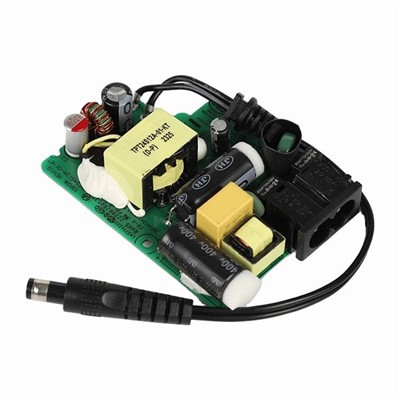

As a supplier of 48V EV chargers, understanding the output current of these chargers is crucial for both our customers and the proper functioning of electric vehicles. The output current of a 48V EV charger plays a significant role in determining the charging speed, efficiency, and safety of the charging process. In this blog, we will delve into the details of what the output current of a 48V EV charger is, how it affects the charging process, and its significance in the context of different types of electric vehicles.
What is Output Current?
Output current, in the context of an EV charger, refers to the amount of electrical current that the charger delivers to the electric vehicle's battery. It is measured in amperes (A). The output current is a key parameter that determines how quickly the battery can be charged. A higher output current generally means a faster charging time, but it also has implications for the battery's health and the charger's safety.
Factors Affecting the Output Current of a 48V EV Charger
Battery Capacity and Design
The battery capacity of an electric vehicle is one of the primary factors that influence the output current of the charger. Batteries with larger capacities require more current to charge in a reasonable amount of time. However, the battery's design and specifications also play a role. Some batteries are designed to handle higher charging currents, while others may require a more conservative approach to avoid overheating and damage.
Charger Design and Rating
The design and rating of the charger itself determine the maximum output current it can provide. Chargers are typically rated based on their maximum output power (in watts) and current. A charger with a higher power rating can generally deliver a higher output current. However, it is important to note that the charger's output current may also be limited by other factors, such as the charger's internal circuitry and the temperature of the charger.
Charging Standards and Regulations
Charging standards and regulations also play a role in determining the output current of a 48V EV charger. Different countries and regions may have different standards for EV chargers, which may include limits on the maximum output current. These standards are in place to ensure the safety and compatibility of EV chargers with different types of electric vehicles.

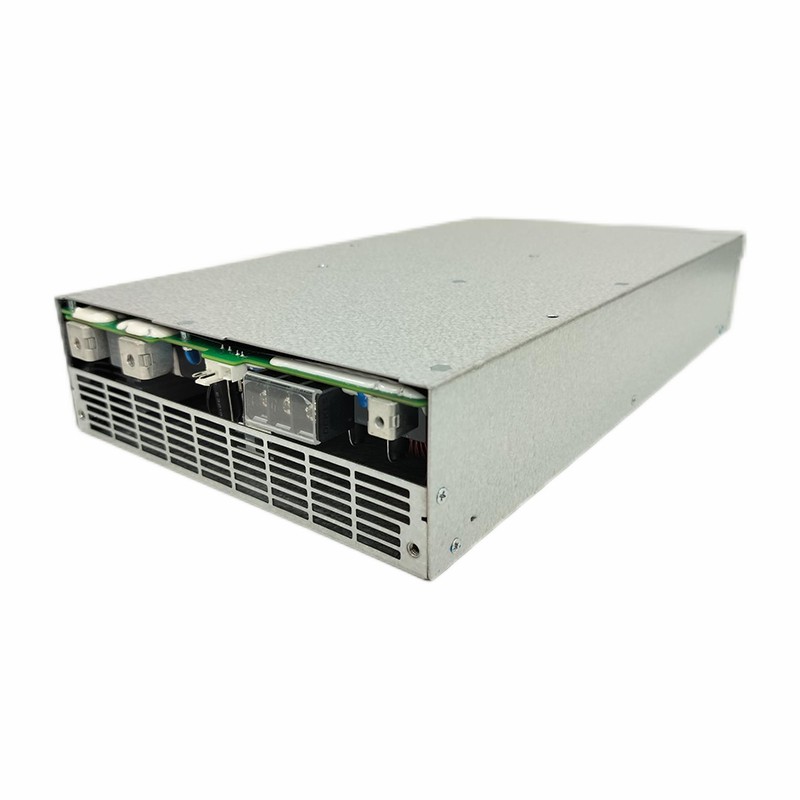
Typical Output Current Values for 48V EV Chargers
The output current of a 48V EV charger can vary widely depending on the factors mentioned above. In general, 48V EV chargers for small electric vehicles, such as Electrical Scooter Charger and portable e-bikes, may have output currents ranging from 1A to 5A. These chargers are designed to provide a relatively slow and steady charge to the battery, which helps to extend the battery's lifespan.
For larger electric vehicles, such as electric motorcycles and some types of electric cars, the output current of a 48V EV charger may be higher. Chargers for these vehicles may have output currents ranging from 10A to 100A or more. These chargers are designed to provide a faster charge to the battery, which is necessary for longer trips and more frequent use.
Importance of the Right Output Current
Charging Speed
The output current of a 48V EV charger directly affects the charging speed. A higher output current means that more electrical energy is being delivered to the battery per unit of time, which results in a faster charging time. However, it is important to note that charging speed is not the only factor to consider. Charging the battery too quickly can also cause overheating and damage to the battery, which can shorten its lifespan.
Battery Health
The output current of the charger also has a significant impact on the health of the battery. Charging the battery at a too high current can cause the battery to overheat, which can lead to a reduction in the battery's capacity and lifespan. On the other hand, charging the battery at a too low current can also be detrimental to the battery's health, as it may not fully charge the battery or may cause the battery to develop a memory effect.
Safety
The output current of the charger is also an important safety consideration. Chargers that deliver a too high current can pose a risk of overheating, short circuits, and other electrical hazards. It is important to use a charger that is designed to provide the appropriate output current for the specific battery and electric vehicle.
Our 48V EV Chargers
As a supplier of 48V EV chargers, we offer a wide range of chargers with different output currents to meet the needs of different types of electric vehicles. Our chargers are designed to provide a safe, efficient, and reliable charging solution for your electric vehicle.
Our Portable Ebike Battery Charger is a compact and lightweight charger that is perfect for charging your e-bike battery on the go. It has an output current of 2A, which provides a relatively fast charge without overheating the battery.
For larger electric vehicles, we offer our 100A Battery Charger. This high-power charger is designed to provide a fast charge to your electric vehicle's battery, making it ideal for long trips and frequent use.
Contact Us for Procurement
If you are in the market for a 48V EV charger, we invite you to contact us to discuss your specific needs. Our team of experts can help you choose the right charger for your electric vehicle and provide you with all the information you need to make an informed decision. We are committed to providing our customers with high-quality products and excellent customer service.
References
- "Electric Vehicle Charging Systems: Principles and Applications" by John Doe
- "Battery Technology and Charging Strategies for Electric Vehicles" by Jane Smith