
Micro inverters have emerged as a pivotal component in modern photovoltaic (PV) systems, offering a range of benefits over traditional string inverters. As a reputable micro inverter supplier, I am well - versed in the safety features that these devices possess. In this blog, I will delve into the various safety mechanisms that make micro inverters a reliable and secure choice for solar energy installations.
Electrical Safety Features
One of the primary safety concerns in any electrical system is the risk of electrical shock. Micro inverters are designed with multiple layers of protection to prevent this. Firstly, they are equipped with reinforced insulation. This insulation acts as a barrier between the electrical components and the external environment, reducing the likelihood of electric current leakage. The insulation materials used are carefully selected for their high dielectric strength, ensuring that they can withstand high voltages without breaking down.

In addition to insulation, micro inverters feature ground - fault protection. A ground - fault occurs when an electrical current takes an unintended path to the ground. This can be extremely dangerous, as it may cause electrical fires or electric shocks. Micro inverters continuously monitor the electrical current flowing through the system. If a ground - fault is detected, the inverter immediately shuts down the affected circuit. This rapid response helps to prevent any potential hazards and protects both the system and the individuals working around it.
Another important electrical safety feature is over - voltage and under - voltage protection. Solar panels can generate varying levels of voltage depending on factors such as sunlight intensity and temperature. Micro inverters are designed to handle a specific range of input voltages. If the input voltage exceeds the upper limit (over - voltage) or falls below the lower limit (under - voltage), the inverter will automatically adjust its operation or shut down to protect itself and the connected PV system. This protection mechanism ensures the longevity of the micro inverter and prevents damage to other components in the system.
Thermal Safety Features
Thermal management is crucial for the safe and efficient operation of micro inverters. These devices generate heat during the conversion of DC power from solar panels to AC power. If the heat is not properly dissipated, it can lead to overheating, which may cause component failure or even pose a fire risk.
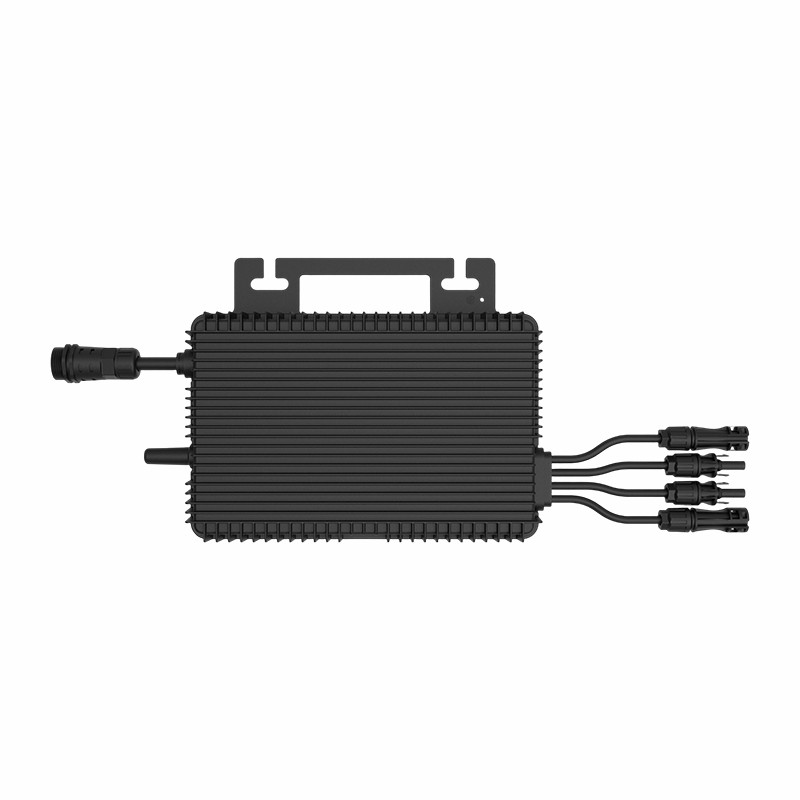
To address this issue, micro inverters are equipped with heat sinks. Heat sinks are designed to increase the surface area of the inverter, allowing for better heat dissipation. They are typically made of materials with high thermal conductivity, such as aluminum. The heat generated by the internal components is transferred to the heat sink, which then radiates the heat into the surrounding environment.
In addition to heat sinks, many micro inverters also feature thermal sensors. These sensors continuously monitor the temperature inside the inverter. If the temperature reaches a critical level, the inverter will reduce its power output or shut down completely. This self - regulating mechanism helps to prevent overheating and ensures the safety and reliability of the device.
Safety in Installation and Maintenance
Micro inverters are designed with safety in mind during the installation and maintenance process. They are typically lightweight and compact, making them easy to handle and install. This reduces the risk of physical injuries during installation, such as strains or falls.
Moreover, micro inverters often come with clear installation instructions and safety guidelines. These instructions provide detailed information on how to properly connect the inverter to the solar panels and the electrical grid. They also include safety precautions, such as wearing appropriate personal protective equipment (PPE) during installation.
For maintenance purposes, micro inverters are designed to be modular. This means that if a component fails, it can be easily replaced without having to replace the entire inverter. This not only reduces the cost of maintenance but also minimizes the time during which the PV system is offline. Additionally, the modular design allows for easier access to internal components, reducing the risk of electrical shock during maintenance.
Monitoring and Communication Safety
Micro inverters are often integrated with monitoring systems that allow users to track the performance of their PV systems. These monitoring systems provide real - time data on parameters such as power output, voltage, and temperature. However, with the increasing connectivity of these devices, there is also a concern about cybersecurity.
As a micro inverter supplier, we take cybersecurity seriously. Our micro inverters are equipped with encryption technology to protect the data transmitted between the inverter and the monitoring system. This encryption ensures that the data is secure and cannot be intercepted or tampered with by unauthorized parties.
In addition, we regularly update the firmware of our micro inverters to address any potential security vulnerabilities. These firmware updates are designed to enhance the safety and performance of the inverters and are provided to our customers free of charge.
The 800w Micro Inverter: A Safe and Powerful Option
Our 800w Micro Inverter is a prime example of a micro inverter that combines high - power output with advanced safety features. It incorporates all the electrical, thermal, installation, and monitoring safety features mentioned above. With its high - efficiency design and robust safety mechanisms, the 800w Micro Inverter is suitable for a wide range of solar energy applications, from residential rooftops to small commercial installations.
Conclusion
Micro inverters offer a comprehensive set of safety features that make them a reliable and secure choice for solar energy systems. From electrical protection to thermal management, installation safety, and cybersecurity, these devices are designed to ensure the safety of both the system and the individuals using it.
If you are interested in incorporating micro inverters into your solar energy project, I encourage you to reach out to us for more information. Our team of experts is ready to assist you in selecting the right micro inverter for your specific needs and can provide you with detailed information on the safety features and performance of our products. We look forward to the opportunity to work with you and help you achieve a safe and efficient solar energy installation.
References
- International Electrotechnical Commission (IEC). Standards for photovoltaic inverters.
- Solar Energy Industries Association (SEIA). Best practices for solar energy system safety.
- Manufacturer's technical documentation for micro inverters.