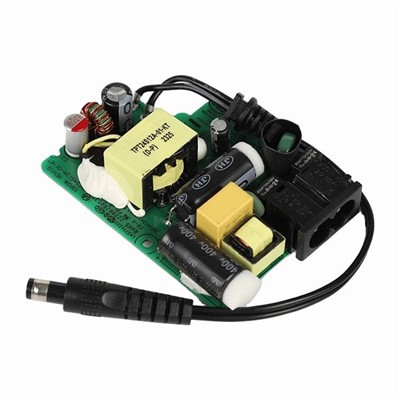

Are all Wifi Router Power Adapters the same size?
As a supplier of Wifi Router Power Adapters, I often encounter questions from customers about the standardization of these products, especially regarding their size. The short answer is no, not all Wifi Router Power Adapters are the same size. In this blog post, I'll delve into the reasons behind the size variations, their implications, and how it matters for both consumers and businesses.
Factors Influencing the Size of Wifi Router Power Adapters
Power Output Requirements
One of the primary factors determining the size of a power adapter is its power output. Different routers have different power needs based on their features, such as the number of antennas, the supported Wi - Fi standards (e.g., 802.11ac vs. 802.11ax), and additional functions like built - in firewalls or USB ports for device sharing.
For instance, a basic home router with limited range and a single - band Wi - Fi connection may only require a 24w Power Adapter. These adapters are generally smaller in size because they need to handle less electrical power. The internal components, such as the transformer and capacitors, can be more compact as they don't have to dissipate as much heat or manage high - current loads.
On the other hand, high - end routers designed for large offices or multi - story buildings often demand more power. A router with multiple high - gain antennas, support for dual or tri - band Wi - Fi, and advanced network management features might need a 50w Power Adapter. The larger power output necessitates larger internal components to handle the increased electrical current and voltage, resulting in a bigger overall adapter size.
Design and Cooling Considerations
The design of the power adapter also plays a crucial role in its size. Some manufacturers prioritize compactness for the convenience of users, especially for home use. A Home Use Desktop Power Adapter is often designed to be as small as possible to minimize clutter on the desktop or in the power strip. However, achieving a smaller size while maintaining high power efficiency can be challenging.
To manage heat dissipation, larger power adapters may have more surface area for heat to escape. They might also incorporate heat sinks or ventilation holes. In contrast, smaller adapters rely on more advanced materials and efficient circuit designs to keep the temperature down without adding bulk. For example, some modern power adapters use gallium nitride (GaN) technology, which allows for more efficient power conversion in a smaller form factor compared to traditional silicon - based components.
Safety and Regulatory Requirements
Different regions have various safety and regulatory standards that power adapters must meet. These standards can influence the size of the adapter. For example, some regulations require additional insulation or protective layers around the internal components to prevent electrical shocks and short - circuits. This added protection can increase the overall size of the adapter.
Moreover, compliance with electromagnetic interference (EMI) standards is essential. Power adapters need to be designed in a way that they don't emit excessive electromagnetic radiation, which could interfere with other electronic devices. Shielding materials and filtering circuits are often added to meet these requirements, and these additional components can contribute to a larger size.
Implications of Size Variations
Compatibility
The size difference of power adapters can lead to compatibility issues. A router is designed to work with a specific power adapter that provides the correct voltage, current, and power output. Using an adapter with the wrong size or specifications can damage the router or cause it to malfunction. For example, if a router requires a 12V, 2A power adapter and is connected to a 9V, 1A adapter, the router may not receive enough power to operate properly, resulting in slow Wi - Fi speeds or intermittent connectivity.
User Experience
The size of the power adapter can significantly impact the user experience. A large, bulky adapter can be difficult to plug into a power strip, especially if other devices are already using the available sockets. It can also take up more space on the desk or in a bag if the router is portable. Smaller adapters, on the other hand, are more convenient to use and carry around, making them a preferred choice for many consumers.
Installation and Placement
When installing a router, the size of the power adapter needs to be considered. In some cases, a large adapter may not fit in the intended installation location, such as a tight wall - mounted cabinet. This can limit the placement options for the router and potentially affect its performance, as the router may need to be placed in a sub - optimal location to accommodate the power adapter.
How We, as a Supplier, Address Size - Related Concerns
As a supplier of Wifi Router Power Adapters, we understand the importance of providing a range of sizes to meet different customer needs. We offer a diverse product portfolio that includes adapters of various power outputs and sizes.
For customers who prioritize portability and compactness, we have a selection of small - sized power adapters that use advanced technologies to deliver high - efficiency power conversion. These adapters are ideal for home users and mobile applications.

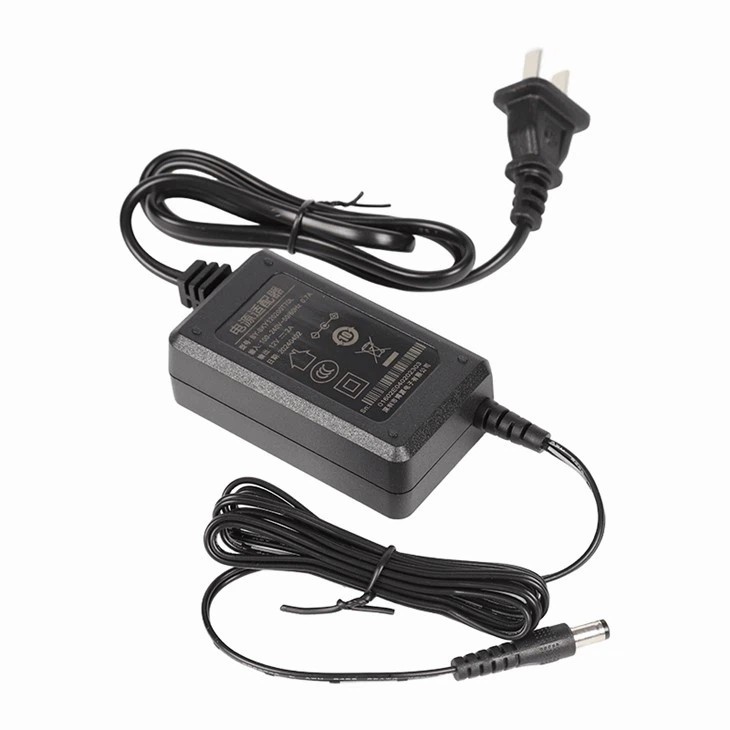
On the other hand, for commercial customers who require high - power routers, we provide larger adapters that are designed to handle the increased power demands safely and reliably. Our engineering team works closely with router manufacturers to ensure that our power adapters are fully compatible with their products.
We also pay close attention to safety and regulatory requirements in different regions. Our power adapters are rigorously tested to meet international standards, such as UL, CE, and FCC. This ensures that our customers can use our products with confidence, regardless of where they are located.
Contact Us for Your Power Adapter Needs
If you are in the market for Wifi Router Power Adapters, we are here to help. Whether you need a small, efficient adapter for home use or a high - power adapter for a commercial installation, we have the right solution for you. Our team of experts can provide you with detailed product information, technical support, and assistance in choosing the most suitable power adapter for your router.
Don't hesitate to reach out to us to discuss your requirements and start a procurement negotiation. We are committed to providing high - quality products at competitive prices and excellent customer service.
References
- "Power Electronics: Converters, Applications, and Design" by Ned Mohan, Tore M. Undeland, and William P. Robbins.
- International Electrotechnical Commission (IEC) standards for power adapters.
- Various research papers on gallium nitride (GaN) technology in power electronics.