
Are micro inverters suitable for commercial use?
In the dynamic landscape of solar energy, the choice between different inverter technologies can significantly impact the efficiency, reliability, and overall performance of a solar power system. As a dedicated micro inverter supplier, I've witnessed firsthand the transformative potential of micro inverters in both residential and commercial settings. In this blog post, we'll explore the suitability of micro inverters for commercial use, delving into their advantages, limitations, and real - world applications.
Advantages of Micro Inverters for Commercial Use
1. Enhanced Energy Harvesting
One of the most significant advantages of micro inverters is their ability to optimize energy production at the individual panel level. In a commercial solar installation, panels are often exposed to varying levels of sunlight due to shading from nearby buildings, trees, or other structures. Traditional string inverters are limited by the performance of the weakest panel in the string. If one panel is shaded or underperforming, it can drag down the output of the entire string.
Micro inverters, on the other hand, operate independently for each solar panel. This means that even if a single panel is shaded, the other panels can continue to produce electricity at their maximum capacity. According to a study by the National Renewable Energy Laboratory (NREL), micro inverters can increase energy harvest by up to 25% in shaded conditions compared to string inverters. For commercial properties with complex roof layouts or partial shading, this enhanced energy harvesting can lead to substantial long - term savings.
2. Improved System Monitoring and Maintenance
Micro inverters offer advanced monitoring capabilities that are invaluable for commercial solar installations. Each micro inverter can provide real - time data on the performance of its associated panel, including power output, voltage, and temperature. This detailed information allows facility managers to quickly identify and address any issues that may arise, such as a malfunctioning panel or a faulty connection.
With traditional string inverters, it can be challenging to pinpoint the source of a problem within a large array of panels. In contrast, micro inverter monitoring systems can generate detailed reports and alerts, enabling proactive maintenance and minimizing downtime. This not only improves the overall reliability of the solar power system but also reduces the cost of maintenance over the system's lifespan.
3. Scalability and Flexibility
Commercial solar projects often require a high degree of scalability to meet the changing energy needs of the business. Micro inverters offer a modular and flexible solution that can easily accommodate future expansions. Since each panel has its own inverter, new panels can be added to the system without the need for major modifications to the existing infrastructure.
This scalability is particularly beneficial for businesses that are growing or planning to upgrade their solar power capacity in the future. Additionally, micro inverters can be used in a variety of solar panel configurations, including rooftop, ground - mounted, and carport installations, providing greater flexibility in system design.
4. Safety and Reliability
Safety is a top priority in commercial solar installations. Micro inverters operate at a lower DC voltage compared to string inverters, reducing the risk of electrical shock and fire hazards. This is especially important in large - scale commercial buildings where safety regulations are more stringent.
Furthermore, the distributed nature of micro inverters means that the failure of a single inverter does not affect the operation of the entire system. In a string inverter system, a single inverter failure can result in a significant loss of power output. With micro inverters, the impact of an individual inverter failure is limited to the associated panel, ensuring a more reliable and resilient solar power system.
Limitations of Micro Inverters for Commercial Use
1. Higher Initial Cost
One of the main drawbacks of micro inverters is their relatively higher initial cost compared to string inverters. The cost of purchasing and installing micro inverters for a large - scale commercial project can be significantly higher than that of a string inverter system. This is due to the fact that each panel requires its own inverter, which increases the overall component cost.
However, it's important to consider the long - term benefits of micro inverters, such as increased energy harvest and reduced maintenance costs. In many cases, the additional upfront investment can be offset by the savings achieved over the system's lifespan.
2. Complexity of Installation
Installing micro inverters can be more complex than installing string inverters, especially in large - scale commercial projects. Each micro inverter needs to be installed and wired to its corresponding panel, which requires more time and labor. Additionally, the installation process may require specialized training and equipment, which can add to the overall installation cost.
3. Limited Power Output per Inverter
Micro inverters typically have a lower power output per unit compared to string inverters. While this is not a significant issue for small - to medium - sized commercial installations, it can be a limitation for large - scale projects that require high - power inverters. In such cases, multiple micro inverters may need to be used in parallel to achieve the desired power output, which can increase the complexity and cost of the system.
Real - World Applications of Micro Inverters in Commercial Settings
Despite the limitations, micro inverters have found widespread use in a variety of commercial applications. Here are some examples:
1. Retail Stores and Shopping Malls
Retail stores and shopping malls often have large rooftops that are suitable for solar installations. These buildings typically have complex roof layouts with multiple levels and obstructions, which can cause shading issues. Micro inverters are an ideal solution for these applications as they can maximize energy production in the presence of shading.
Additionally, the advanced monitoring capabilities of micro inverters allow store managers to track the energy consumption and production of the solar system in real - time, helping them to make informed decisions about energy management.
2. Industrial Facilities
Industrial facilities have high energy demands and can benefit greatly from solar power. Micro inverters offer the scalability and flexibility needed to meet the changing energy needs of these facilities. They can also improve the reliability of the solar power system, which is crucial for industrial operations that require uninterrupted power supply.
For example, a manufacturing plant can use micro inverters to power its production equipment, reducing its reliance on the grid and lowering energy costs. The ability to monitor each panel's performance also helps in identifying any issues that may affect the production process.
3. Educational Institutions
Schools, colleges, and universities often have large campuses with multiple buildings, making them suitable candidates for solar installations. Micro inverters can be installed on the rooftops of these buildings to generate clean energy and reduce the institution's carbon footprint.
The educational aspect of solar power is also enhanced with micro inverters. The detailed monitoring data can be used as a teaching tool to educate students about renewable energy and energy management.
Conclusion
So, are micro inverters suitable for commercial use? The answer is a resounding yes, especially for commercial projects that require enhanced energy harvesting, advanced monitoring, scalability, and safety. While the higher initial cost and installation complexity may be a concern for some businesses, the long - term benefits of micro inverters often outweigh these drawbacks.
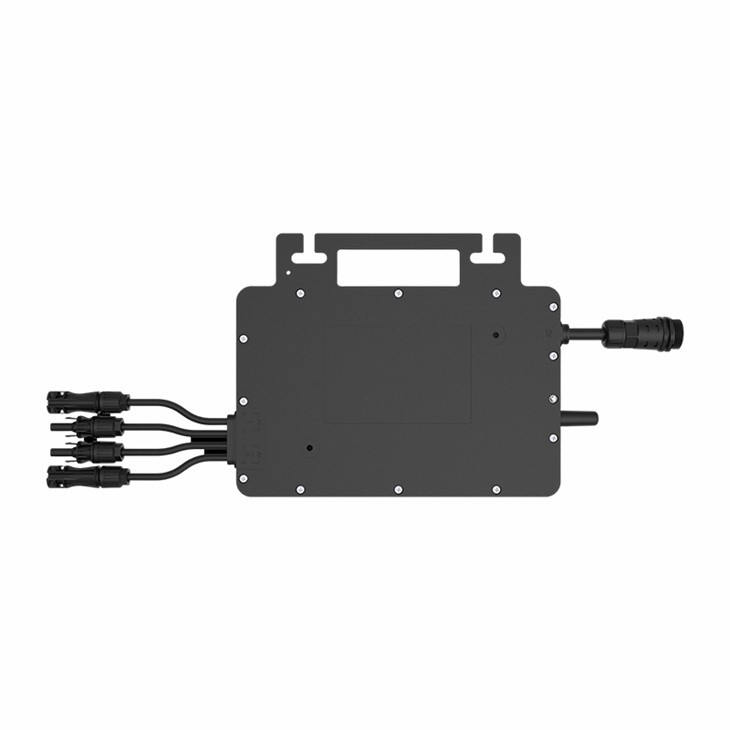
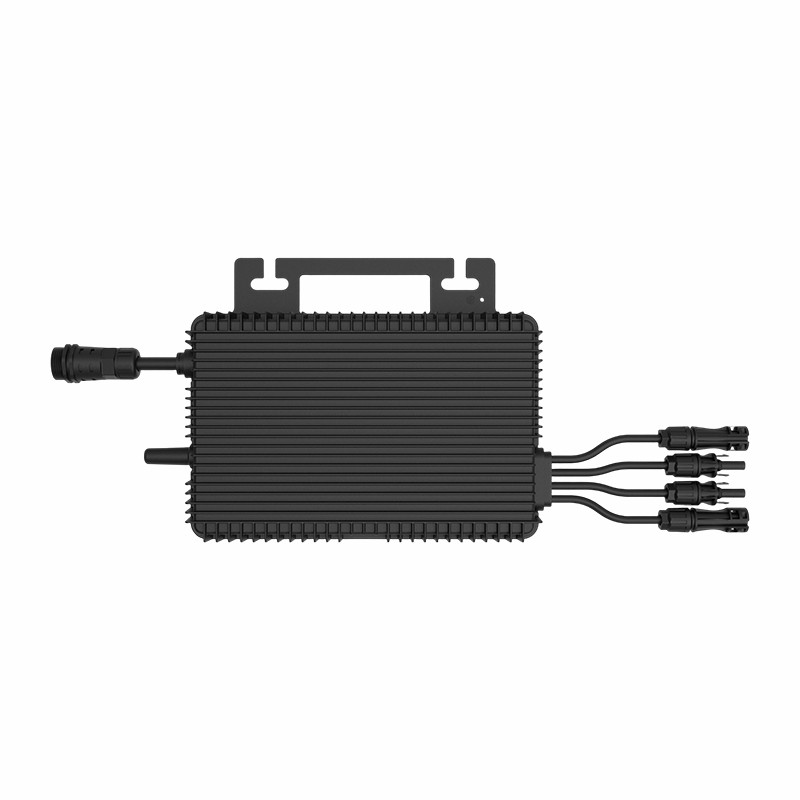
As a micro inverter supplier, I'm confident in the performance and reliability of our products. Our 800w Micro Inverter is designed to meet the demanding requirements of commercial solar installations, offering high efficiency, advanced monitoring, and excellent durability.
If you're considering a commercial solar project and want to learn more about how micro inverters can benefit your business, I encourage you to reach out to us. We'd be happy to discuss your specific needs and provide you with a customized solution. Let's work together to harness the power of the sun and create a more sustainable future for your business.
References
- National Renewable Energy Laboratory (NREL). "Performance of Photovoltaic Systems with Micro - inverters and String Inverters."
- Various industry reports on solar inverter technologies and commercial solar applications.