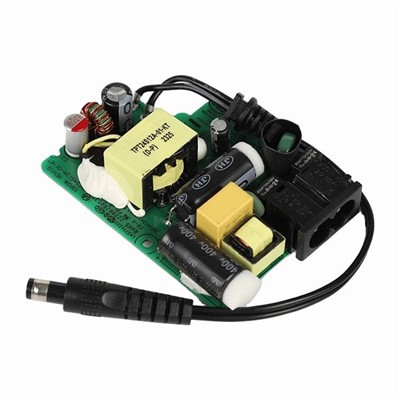

Hey there! As a micro inverter supplier, I often get asked about the power output of micro inverters. So, I thought I'd write this blog to give you a clear idea of what it's all about.
First off, let's understand what a micro inverter is. A micro inverter is a small device that's installed on each individual solar panel in a photovoltaic (PV) system. Unlike traditional string inverters that handle the power from an entire string of panels, micro inverters work independently for each panel. This setup has a bunch of advantages, but today we're focusing on power output.
The power output of a micro inverter can vary quite a bit. It depends on several factors, such as the design of the inverter, the efficiency of its components, and the solar panel it's paired with. Generally, micro inverters come in a range of power ratings. You can find them with outputs as low as 100 watts and as high as a few hundred watts.
One popular option in the market is the 800w Micro Inverter. This high - power micro inverter is great for larger solar panels or when you want to get more power from each panel in your system. With an 800 - watt output, it can handle a significant amount of solar energy conversion.
Now, let's talk about how the power output is determined. When sunlight hits a solar panel, it generates direct current (DC) electricity. The micro inverter then takes this DC power and converts it into alternating current (AC) power, which is what we use in our homes and businesses. The power output of the micro inverter is basically the amount of AC power it can produce from the DC power it receives from the solar panel.
The efficiency of a micro inverter plays a huge role in its power output. A more efficient inverter will convert more of the DC power into usable AC power. For example, if a solar panel is producing 900 watts of DC power and the micro inverter has an efficiency of 90%, it will be able to output around 810 watts of AC power.
Another factor that affects power output is the environmental conditions. Solar panels work best in bright sunlight, and so do micro inverters. On a sunny day, a micro inverter can reach its maximum power output. But on cloudy or overcast days, the power output will be lower because the solar panel is generating less DC power.
Temperature also matters. Micro inverters are designed to work within a certain temperature range. If it gets too hot, the efficiency of the inverter can drop, and the power output will be reduced. That's why proper ventilation and installation are crucial to ensure that the micro inverter operates at an optimal temperature.
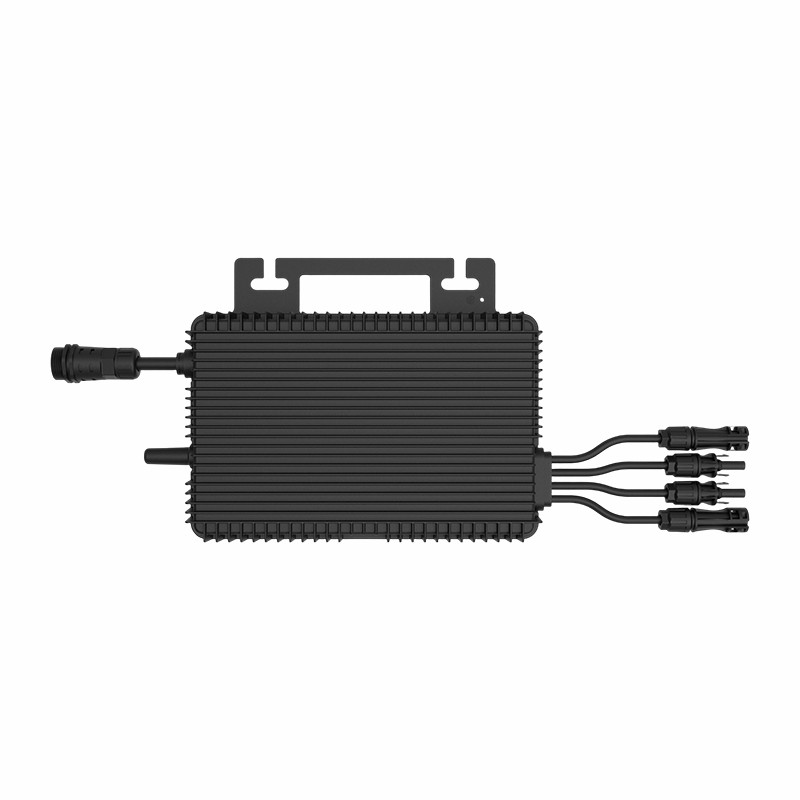
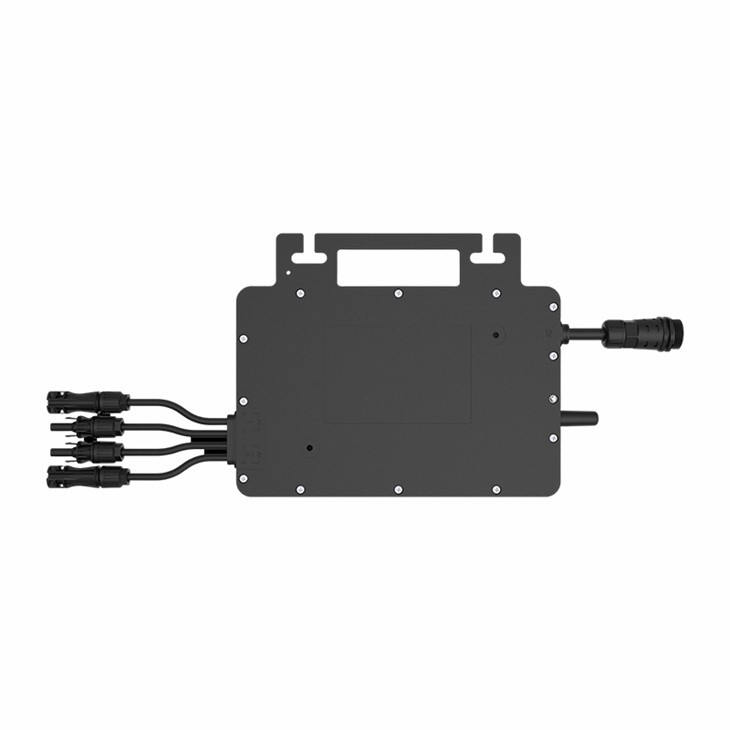
When you're choosing a micro inverter for your solar system, it's important to match the power output of the inverter with the power rating of the solar panel. If you pair a low - power micro inverter with a high - power solar panel, you won't be able to fully utilize the energy - generating potential of the panel. On the other hand, if you use a high - power micro inverter with a low - power panel, it might be a bit of an overkill and could increase the cost of your system.
Let's take a look at some real - world scenarios. Suppose you have a residential solar system with several solar panels. If you choose micro inverters with a lower power output, you might need more of them to handle the total power of the system. But this can also be an advantage in terms of system flexibility. You can easily add or remove panels without having to worry too much about the overall system configuration.
On the other hand, if you go for high - power micro inverters like the 800w ones, you'll need fewer inverters for the same number of panels. This can simplify the installation process and reduce the overall cost of the system in some cases.
So, how do you know which power output is right for you? Well, it depends on your specific needs. If you have a small - scale solar system, say for a shed or a small cabin, a lower - power micro inverter might be sufficient. But if you're looking to power your entire home or a commercial building, you might want to consider higher - power options.
As a micro inverter supplier, I'm always here to help you make the right choice. We have a wide range of micro inverters with different power outputs to suit various applications. Whether you're a DIY enthusiast installing a small solar system or a professional installer working on a large - scale project, we've got you covered.
If you're interested in learning more about our micro inverters or want to discuss your specific requirements, don't hesitate to reach out. We can have a detailed chat about your solar system needs, and I can help you select the micro inverters with the right power output for your project.
In conclusion, the power output of a micro inverter is a crucial factor to consider when designing a solar system. It's influenced by many things like efficiency, environmental conditions, and the solar panel it's paired with. By understanding these factors, you can make an informed decision and get the most out of your solar energy investment. So, if you're ready to take the next step in your solar journey, let's start the conversation!
References
- Solar Energy Handbook: A Guide to Photovoltaic Systems
- Micro Inverter Technology: Principles and Applications