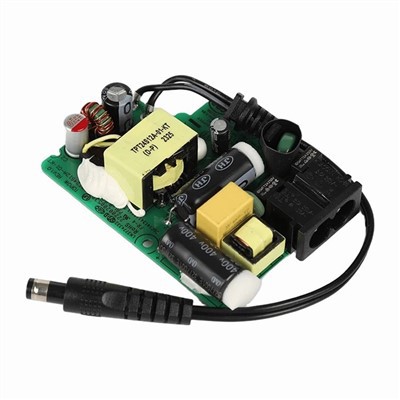

As a supplier of Electrical Scooter Charger, I often get asked the question: "Can I charge my electrical scooter charger with a solar panel?" This is a valid and interesting query, especially in today's world where renewable energy sources are becoming increasingly popular. In this blog post, I'll delve into the technical aspects, feasibility, advantages, and limitations of using a solar panel to charge an electrical scooter charger.
Understanding the Basics
Before we jump into the details of solar charging, let's first understand how an electrical scooter charger works. An electrical scooter charger is designed to convert the alternating current (AC) from a standard electrical outlet into direct current (DC) at the appropriate voltage and current levels to charge the scooter's battery. Most electrical scooters use lithium - ion batteries, which typically require a charger with a specific voltage output, such as 58V Battery Charger for some models.
On the other hand, a solar panel generates direct current (DC) electricity when exposed to sunlight. The amount of electricity produced depends on factors such as the size of the solar panel, its efficiency, and the intensity of sunlight. Solar panels come in various wattages, and their output voltage can also vary.
Feasibility of Solar Charging
The short answer is yes, it is possible to charge an electrical scooter charger with a solar panel. However, several factors need to be considered to ensure a safe and efficient charging process.
Compatibility of Voltage and Current
The output voltage of the solar panel must be compatible with the input requirements of the electrical scooter charger. Most electrical scooter chargers are designed to work with a standard AC voltage (e.g., 110V or 220V in different regions). To use a solar panel, you'll need a device called a solar charge controller. A solar charge controller regulates the voltage and current from the solar panel to prevent overcharging and damage to the charger and the battery.
For example, if your electrical scooter charger requires a stable input voltage of 12V DC to operate, you need to select a solar panel and charge controller combination that can provide this voltage. Some solar panels may have an output voltage higher than the required input of the charger. In such cases, the charge controller will step down the voltage to the appropriate level.
Power Output
The power output of the solar panel is crucial. The power (in watts) is calculated by multiplying the voltage (V) by the current (A). To charge your electrical scooter charger effectively, the solar panel must be able to produce enough power to meet the charger's requirements.
Let's assume your electrical scooter charger has a power rating of 100 watts. You'll need a solar panel with a power output equal to or greater than 100 watts, taking into account losses in the charge controller and other components. Keep in mind that the actual power output of a solar panel can be affected by weather conditions, time of day, and the angle of sunlight.
Advantages of Solar Charging
Renewable Energy Source
Using a solar panel to charge your electrical scooter charger is an environmentally friendly option. Solar energy is a renewable resource, which means it can be replenished naturally. By using solar power, you reduce your reliance on fossil fuels and help to lower your carbon footprint.
Portability
Solar panels are relatively portable, especially smaller ones. If you're on the go and your electrical scooter runs out of battery, you can set up a solar panel to charge the charger. This is particularly useful for outdoor enthusiasts or those who use their scooters for long - distance travel.
Cost Savings
Although the initial investment in a solar panel system can be significant, in the long run, it can save you money on electricity bills. Once you've purchased the solar panel and charge controller, the sunlight is free, and you can use it to charge your scooter charger as much as you want.
Limitations of Solar Charging
Dependence on Sunlight
The biggest limitation of solar charging is its dependence on sunlight. If it's cloudy, rainy, or nighttime, the solar panel may not produce enough electricity to charge the charger. This can be a problem if you need to charge your scooter quickly or if you live in an area with limited sunlight.
Slow Charging
Compared to charging from a standard electrical outlet, solar charging is generally slower. The power output of a solar panel is limited, and it may take several hours or even days to fully charge the electrical scooter charger, depending on the size of the battery and the power of the solar panel.
Initial Investment
As mentioned earlier, the initial cost of purchasing a solar panel system, including the solar panel, charge controller, and any necessary wiring, can be high. This may be a deterrent for some people, especially if they only use their electrical scooter occasionally.


Choosing the Right Solar Panel and Charge Controller
When selecting a solar panel and charge controller for charging your electrical scooter charger, consider the following:
Solar Panel Size and Wattage
Choose a solar panel with a wattage that meets or exceeds the power requirements of your charger. Larger solar panels generally produce more power, but they are also heavier and bulkier. If you need portability, you may opt for a smaller, more lightweight solar panel.
Charge Controller Type
There are two main types of charge controllers: PWM (Pulse Width Modulation) and MPPT (Maximum Power Point Tracking). MPPT charge controllers are more efficient, especially in low - light conditions, as they can extract the maximum power from the solar panel. However, they are also more expensive than PWM charge controllers.
Conclusion
In conclusion, it is indeed possible to charge an electrical scooter charger with a solar panel. While there are challenges such as voltage compatibility, power output, and dependence on sunlight, the advantages of using renewable energy, portability, and long - term cost savings make it an attractive option for many.
If you're interested in exploring the possibility of solar charging for your electrical scooter charger, or if you're looking for high - quality Electrical Scooter Charger, 58V Battery Charger, or Portable Ebike Battery Charger, feel free to contact us for more information and to discuss your specific needs. We are here to provide you with the best charging solutions for your electrical scooters.
References
- "Solar Power Systems Handbook" by John Wiles and Robert Dunlop
- "Electric Vehicle Charging Infrastructure" by Steve Ellis and Andrew Meakin
- Manufacturer's manuals for electrical scooter chargers and solar panels