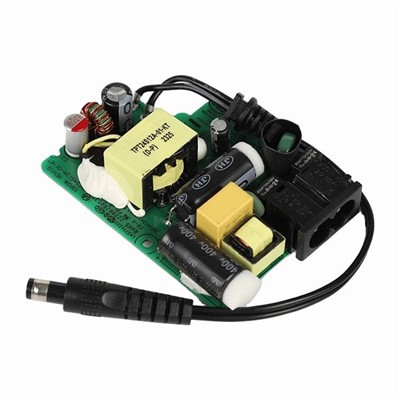

In the modern era, the reliance on electronic devices has become ubiquitous. From smartphones and tablets to electric bikes and scooters, these gadgets have woven themselves into the fabric of our daily lives. However, with great functionality comes the constant need for power. This is where power - bank charging solutions step in, ensuring that our devices stay operational when and where we need them. As a charging solution provider, I'm here to shed light on how these remarkable systems work.
The Basics of Charging
At the core of any charging solution is the principle of transferring electrical energy from a power source to a battery. A power bank, essentially a portable energy storage device, stores electrical energy in its internal battery and then delivers it to other devices. This process is governed by a set of fundamental electrical concepts.
Let's start with voltage. Voltage can be thought of as the "pressure" that pushes electric charges through a circuit. Different devices have different voltage requirements for charging. For example, a smartphone typically requires a 5V charging voltage, while an electric bike battery may need a higher voltage, such as 58V. Our 58V Battery Charger is specifically designed to meet the unique voltage needs of high - capacity batteries, ensuring a safe and efficient charging process.
Another crucial factor is current. Current is the flow of electric charges. The rate at which a device charges depends on the amount of current it can accept. A power bank must be able to supply the appropriate current to the connected device. If the current is too low, the charging process will be slow. On the other hand, if the current is too high, it can damage the device's battery. Modern power banks are equipped with intelligent circuits that can adjust the current output according to the device's requirements.
Inside a Power Bank
A power bank consists of several key components. The most obvious one is the battery. Most power banks use lithium - ion or lithium - polymer batteries due to their high energy density, long cycle life, and relatively low self - discharge rate. These batteries can store a large amount of electrical energy in a compact form, making them ideal for portable devices.
In addition to the battery, a power bank has a charging circuit. This circuit is responsible for managing the charging process. It controls the voltage and current output to ensure that the connected device receives the correct amount of power. The charging circuit also includes protection mechanisms to prevent overcharging, over - discharging, short - circuits, and overheating. For instance, if the battery in the power bank reaches its maximum charge level, the charging circuit will automatically stop the charging process to prevent damage to the battery.
There is also a power management unit (PMU) in the power bank. The PMU monitors the battery's status, such as its charge level, temperature, and voltage. It communicates with the charging circuit to adjust the charging parameters as needed. This real - time monitoring and adjustment ensure the safety and efficiency of the charging process.
Charging Different Devices
Power banks are designed to be versatile and can charge a wide range of devices. Let's take a look at how they charge some common electronic gadgets.
Smartphones and Tablets
Smartphones and tablets are the most commonly charged devices using power banks. These devices usually have a built - in charging port, such as a USB Type - C or Lightning port. When a power bank is connected to a smartphone or tablet via a charging cable, the power bank's charging circuit detects the device and adjusts the voltage and current output accordingly. For example, if a smartphone supports fast charging, the power bank will supply a higher current to charge the device more quickly.
Electric Bikes and Scooters
Electric bikes and scooters are becoming increasingly popular as eco - friendly transportation options. However, their large - capacity batteries require specialized charging solutions. Our Portable Ebike Battery Charger and Electrical Scooter Charger are designed to meet the unique needs of these vehicles. These chargers typically have a higher voltage and current output compared to chargers for smartphones. They also need to be able to handle the long charging times required for large batteries.
The charging process for electric bikes and scooters is more complex. The charger first needs to detect the battery's state of charge and then apply the appropriate charging algorithm. In the initial stage, the charger may supply a constant current to quickly charge the battery. As the battery approaches its full charge, the charger will switch to a constant - voltage mode to prevent overcharging.
The Role of Technology in Charging Solutions
Advancements in technology have significantly improved the performance and safety of power - bank charging solutions. One of the most notable technologies is fast charging. Fast charging allows devices to charge much more quickly than traditional charging methods. This is achieved by increasing the charging current and voltage within the safe limits of the device's battery.
Another important technology is wireless charging. Wireless charging eliminates the need for charging cables, making it more convenient to charge devices. It works based on the principle of electromagnetic induction. A wireless charging pad creates an alternating magnetic field, which induces an electric current in the device's receiver coil, thereby charging the battery.
Moreover, the development of smart charging technology has made power banks even more intelligent. Smart power banks can communicate with the connected device to optimize the charging process. They can also provide real - time information about the charging status, such as the remaining charging time and the battery level.


Ensuring Safety and Efficiency
As a charging solution provider, safety and efficiency are our top priorities. We follow strict quality control standards in the manufacturing process to ensure that our products are reliable and safe to use. Our chargers are equipped with multiple protection mechanisms, including over - voltage protection, over - current protection, short - circuit protection, and temperature protection.
In terms of efficiency, we continuously invest in research and development to improve the energy conversion efficiency of our power banks. A higher energy conversion efficiency means that less energy is wasted during the charging process, which not only saves energy but also reduces the heat generated by the power bank.
Conclusion
In conclusion, power - bank charging solutions are essential in our modern, technology - driven lives. They work by transferring electrical energy from a power source to a device's battery, while carefully managing voltage, current, and other charging parameters. With the continuous development of technology, power banks are becoming more powerful, versatile, and intelligent.
If you are in the market for high - quality charging solutions, whether it's for your smartphone, electric bike, or scooter, we are here to help. Our team of experts can provide you with customized charging solutions to meet your specific needs. We invite you to reach out to us for more information and to start a procurement negotiation.
References
- “Battery Charging Basics,” Battery University.
- “The Science of Charging Electronics,” IEEE Spectrum.
- “How Lithium - Ion Batteries Work,” Scientific American.