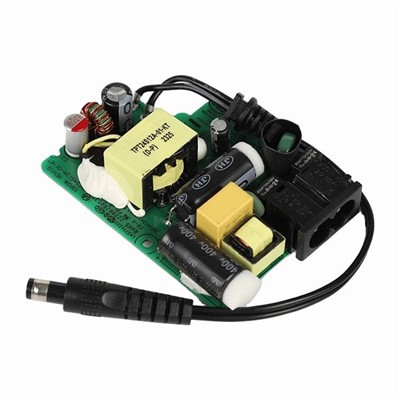

Hey there! I'm an off grid inverter supplier, and I'm super stoked to chat with you about how to calculate the energy savings with an off grid inverter. It's a topic that's not only fascinating but also super important if you're looking to cut down on your energy bills and live a more sustainable life.
First off, let's quickly go over what an off grid inverter is. An off grid inverter is a device that converts the direct current (DC) electricity generated by solar panels or other renewable energy sources into alternating current (AC) electricity, which is what most of our household appliances use. It's a key component in an off grid solar power system, allowing you to use the energy you generate even when you're not connected to the main power grid.
So, how do you calculate the energy savings with an off grid inverter? Well, it's not as complicated as you might think. There are a few key factors you need to consider, and I'll break them down for you step by step.
Step 1: Determine Your Energy Consumption
The first thing you need to do is figure out how much electricity you use on a daily, monthly, or yearly basis. You can find this information on your electricity bills. Look for the kilowatt - hour (kWh) usage section. This will give you a clear picture of how much energy your household consumes.
Let's say your average monthly electricity consumption is 500 kWh. This is your baseline, and it's what you'll be comparing your post - off grid inverter usage against.
Step 2: Calculate Your Solar Energy Production
Next, you need to estimate how much electricity your solar panels can generate. This depends on several factors, such as the size and efficiency of your solar panels, the amount of sunlight your location receives, and the orientation and tilt of your panels.
On average, a standard solar panel can produce around 250 - 400 watts per hour under optimal conditions. If you have, for example, 10 solar panels with an output of 300 watts each, your total panel capacity is 3000 watts or 3 kilowatts (kW).
The amount of sunlight your location gets is crucial. You can use online solar calculators to estimate the average daily sunlight hours in your area. Let's assume your area gets 5 hours of peak sunlight per day. So, your daily solar energy production would be 3 kW x 5 hours = 15 kWh. In a month (assuming 30 days), you'd produce 15 kWh x 30 = 450 kWh.
Step 3: Factor in the Inverter Efficiency
Now, here's where the off grid inverter comes into play. No inverter is 100% efficient. There are always some energy losses during the conversion process from DC to AC. Most off grid inverters have an efficiency rating of around 90 - 95%.
Let's say your off grid inverter has an efficiency of 92%. If your solar panels produce 450 kWh of DC electricity in a month, the amount of AC electricity that actually gets to your appliances is 450 kWh x 0.92 = 414 kWh.
Step 4: Calculate the Energy Savings
To calculate your energy savings, subtract the amount of electricity you're getting from your off grid solar system (after accounting for inverter efficiency) from your original electricity consumption.
Using our example, your original monthly consumption was 500 kWh, and your off grid solar system can provide 414 kWh. So, your monthly energy savings would be 500 kWh - 414 kWh = 86 kWh.
Over a year, that's 86 kWh x 12 = 1032 kWh. And if your electricity provider charges, say, $0.15 per kWh, your annual savings would be 1032 kWh x $0.15 = $154.8.
Different Sizes of Off Grid Inverters
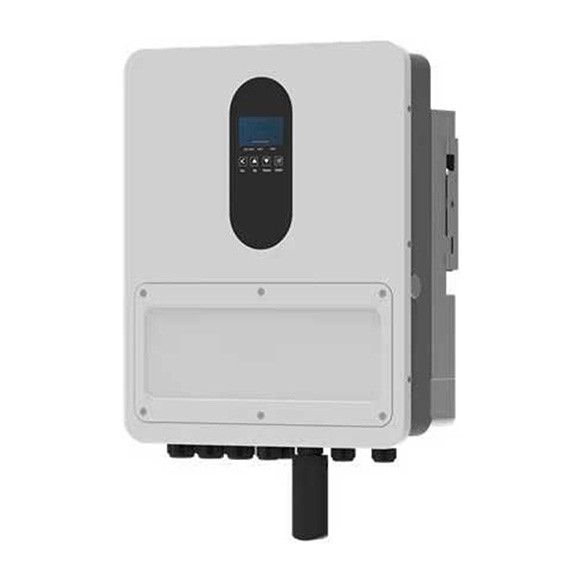
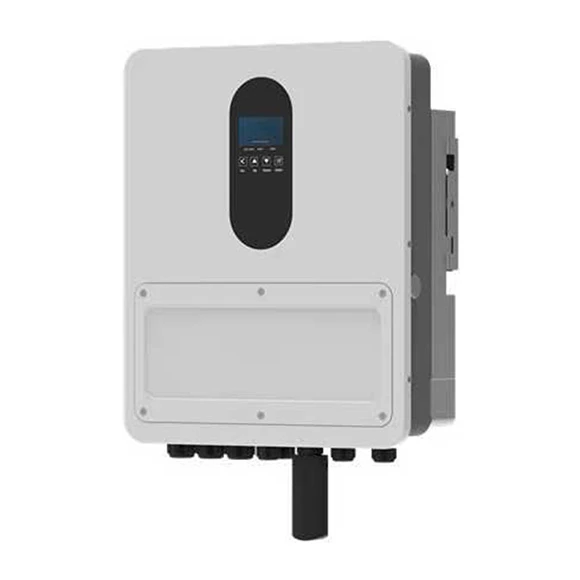
The size of the off grid inverter you choose can also impact your energy savings. For smaller households with lower energy consumption, a 4kw Off Grid Inverter might be sufficient. It can handle a moderate number of appliances and is a cost - effective option.
On the other hand, if you have a larger household with more energy - hungry appliances like air conditioners, electric heaters, or multiple large - screen TVs, a 6kw Off Grid Inverter would be a better choice. It can handle a higher load and ensure that you can use all your appliances without any issues.
When choosing an inverter, make sure to match its capacity with your solar panel system and your energy consumption. An undersized inverter won't be able to convert all the DC electricity your panels produce, leading to wasted energy. An oversized inverter, on the other hand, can be more expensive and may not operate at its optimal efficiency.
Other Considerations for Energy Savings
There are a few other things you can do to maximize your energy savings with an off grid inverter.
- Energy Storage: Consider adding a battery storage system to your off grid solar setup. This allows you to store excess energy generated during the day for use at night or during cloudy days. With a good battery system, you can further reduce your reliance on the grid.
- Energy - Efficient Appliances: Replace old, inefficient appliances with energy - star rated ones. These appliances use less electricity, which means you'll need less energy from your solar system and the grid.
- Proper Maintenance: Keep your solar panels and inverter in good condition. Regularly clean your solar panels to ensure they're operating at their maximum efficiency. Also, have your inverter checked periodically to make sure it's functioning properly.
Conclusion
Calculating the energy savings with an off grid inverter is a great way to understand the financial and environmental benefits of going off the grid. By following the steps I've outlined above, you can get a clear picture of how much money you can save and how much you can reduce your carbon footprint.
If you're interested in learning more about off grid inverters or are thinking about making a purchase, I'd love to chat with you. I can help you choose the right inverter for your needs and guide you through the installation process. Whether you're a small - scale user or a large - scale commercial customer, I've got the expertise and the products to meet your requirements. So, don't hesitate to reach out and start your journey towards energy independence and savings!
References
- Solar Energy Industries Association (SEIA)
- National Renewable Energy Laboratory (NREL)
- Various industry reports on off grid solar systems and inverters