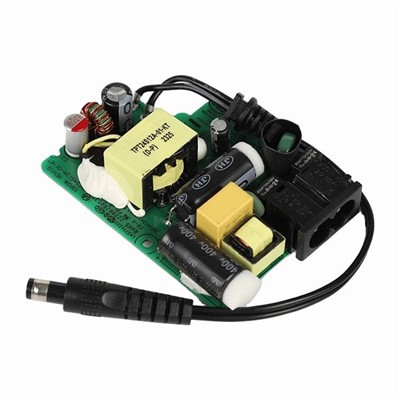

Hey there! As a supplier of PoE power supplies, I've seen firsthand how crucial it is to get the configuration right for a VoIP system. In this blog, I'll walk you through the steps of configuring a PoE power supply for a VoIP setup, so you can ensure seamless communication and optimal performance.
Understanding PoE and VoIP
Before we dive into the configuration process, let's quickly go over what PoE and VoIP are. PoE, or Power over Ethernet, is a technology that allows electrical power to be transmitted over Ethernet cables, eliminating the need for separate power cables for connected devices. VoIP, or Voice over Internet Protocol, is a technology that enables voice communication over the internet instead of traditional phone lines.
When it comes to a VoIP system, PoE power supplies are a game-changer. They simplify the installation process, reduce clutter, and provide a reliable power source for VoIP phones and other network devices.
Choosing the Right PoE Power Supply
The first step in configuring a PoE power supply for a VoIP system is to choose the right one for your needs. There are several factors to consider, including the power requirements of your VoIP phones, the number of devices you need to power, and the distance between the power source and the devices.
- Power Requirements: Different VoIP phones have different power requirements. Make sure to check the specifications of your phones to determine the minimum and maximum power they need. Most VoIP phones require between 5 and 15 watts of power, but some high-end models may require more.
- Number of Devices: Consider how many VoIP phones and other network devices you need to power. Make sure the PoE power supply you choose has enough ports and power capacity to support all your devices.
- Distance: The distance between the power source and the devices can also affect the performance of the PoE power supply. Make sure to choose a power supply that can provide sufficient power over the distance required for your setup.
As a PoE power supply supplier, we offer a wide range of products to meet your needs. For example, our 60W POE Switch is a great option for small to medium-sized VoIP systems, while our 90W POE Injector is ideal for larger setups or devices that require more power.
Configuring the PoE Power Supply
Once you've chosen the right PoE power supply for your VoIP system, it's time to configure it. The configuration process may vary depending on the make and model of your power supply, but the general steps are as follows:


- Connect the Power Supply: First, connect the PoE power supply to a power source using the appropriate power cable. Make sure the power supply is turned off before making any connections.
- Connect the Network Devices: Next, connect your VoIP phones and other network devices to the PoE ports on the power supply using Ethernet cables. Make sure the cables are securely plugged in.
- Configure the Power Settings: Some PoE power supplies allow you to configure the power settings for each port. This can be useful if you have devices with different power requirements. Refer to the user manual of your power supply for instructions on how to configure the power settings.
- Test the Connection: Once you've connected all the devices and configured the power settings, turn on the PoE power supply and test the connection. Make sure all your VoIP phones are powered on and can connect to the network.
Troubleshooting Common Issues
Even with the right PoE power supply and proper configuration, you may encounter some issues with your VoIP system. Here are some common issues and how to troubleshoot them:
- No Power: If your VoIP phones are not receiving power, check the power connections and make sure the PoE power supply is turned on. You may also want to check the power settings on the power supply to make sure they are configured correctly.
- Poor Call Quality: If you're experiencing poor call quality, it could be due to a network issue or a problem with the PoE power supply. Check the network connections and make sure your internet speed is sufficient for VoIP calls. You may also want to try resetting the PoE power supply to see if that resolves the issue.
- Device Compatibility: Make sure your VoIP phones and other network devices are compatible with the PoE power supply you're using. Some older devices may not support PoE technology, or they may require a specific type of PoE power supply.
Conclusion
Configuring a PoE power supply for a VoIP system is not as complicated as it may seem. By choosing the right power supply, following the configuration steps, and troubleshooting any issues that arise, you can ensure a reliable and efficient VoIP setup.
If you have any questions or need help choosing the right PoE power supply for your VoIP system, don't hesitate to contact us. We're here to help you find the best solution for your needs. And if you're ready to make a purchase, we offer a wide range of high-quality PoE power supplies at competitive prices. Let's get your VoIP system up and running smoothly!
References
- Cisco Systems. (n.d.). Power over Ethernet (PoE) Technology. Retrieved from [Cisco's official website]
- Juniper Networks. (n.d.). Understanding Power over Ethernet. Retrieved from [Juniper's official website]