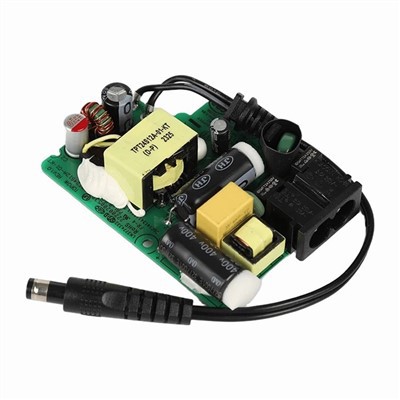

As a supplier of EV Charger 48v, I often receive inquiries from customers about how to connect an EV Charger 48v to a battery. In this blog post, I'll share a comprehensive guide on this topic, covering everything from the necessary preparations to the actual connection process, safety precautions, and troubleshooting tips.
Pre - connection Preparations
Before you start connecting the EV Charger 48v to a battery, there are several crucial preparations you need to make.
Understanding Your Battery
First and foremost, you must have a clear understanding of your battery. Check the battery's voltage, capacity, and type. Our EV Charger 48v is designed to work with 48 - volt batteries, but different battery chemistries such as lead - acid, lithium - ion, or nickel - metal hydride may have different charging requirements. For example, lithium - ion batteries are more sensitive to overcharging and require a more precise charging algorithm compared to lead - acid batteries.
Inspecting the Charger and Battery
Thoroughly inspect both the EV Charger 48v and the battery for any visible damage. Look for frayed wires, broken connectors, or signs of corrosion on the battery terminals. A damaged charger or battery can not only prevent proper charging but also pose a significant safety risk. If you notice any damage, do not attempt to use the charger or battery until they have been repaired or replaced.
Gathering the Necessary Tools
You'll need a few basic tools for the connection process. These typically include a pair of insulated pliers, a voltage meter, and a wire brush to clean the battery terminals if necessary. Having these tools on hand will make the connection process smoother and safer.
The Connection Process
Once you've completed the preparations, you can proceed with the connection process.
Step 1: Power Off
Before making any connections, ensure that the EV Charger 48v is unplugged from the power source. This is a critical safety step to prevent electrical shock.
Step 2: Identify the Battery Terminals
Locate the positive (+) and negative (-) terminals on the battery. Usually, the positive terminal is marked with a red cap or a plus sign, while the negative terminal has a black cap or a minus sign.

Step 3: Connect the Charger Cables
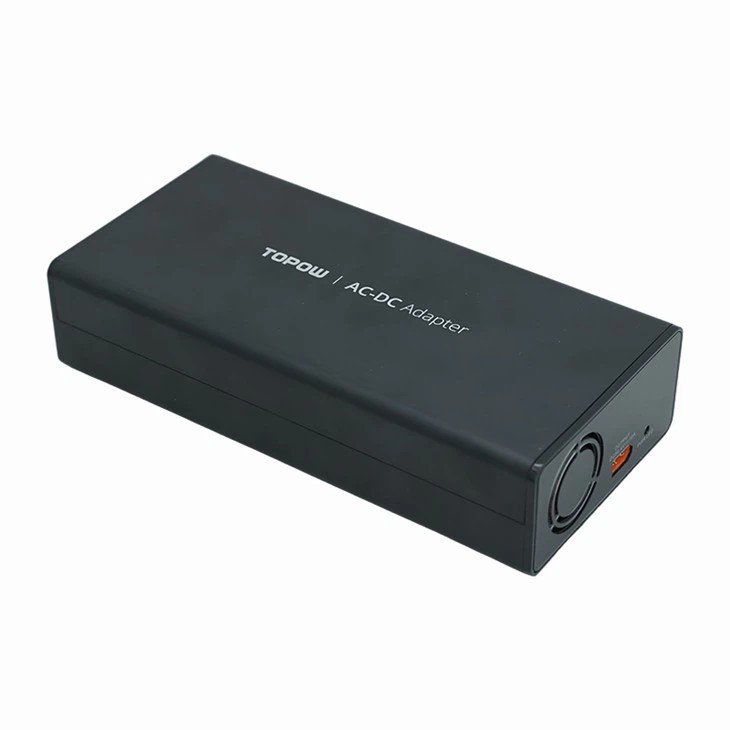
Take the charger cables and match them to the corresponding battery terminals. Connect the red cable from the charger to the positive terminal of the battery and the black cable to the negative terminal. Use the insulated pliers to firmly secure the connectors to the battery terminals. Make sure the connections are tight to ensure good electrical contact.
Step 4: Check the Connections
After connecting the cables, use a voltage meter to check the voltage across the battery terminals. This will help you confirm that the charger is properly connected and that there is no short - circuit. The voltage reading should be close to the battery's rated voltage.
Step 5: Plug in the Charger
Once you've verified the connections, plug the EV Charger 48v into a suitable power outlet. Make sure the outlet is grounded and can handle the charger's power requirements.
Safety Precautions
Safety should always be your top priority when working with electrical equipment and batteries.
Avoid Overcharging
Overcharging a battery can lead to overheating, reduced battery life, and in some cases, even a fire or explosion. Most modern EV Chargers 48v are equipped with built - in charging controllers to prevent overcharging, but it's still important to monitor the charging process and unplug the charger once the battery is fully charged.
Ventilation
When charging a battery, especially a lead - acid battery, hydrogen gas may be produced. Make sure the charging area is well - ventilated to prevent the accumulation of this potentially explosive gas.
Keep Away from Flammable Materials
Keep the charger and battery away from flammable materials such as gasoline, oil, and paper. A short - circuit or overheating can cause a fire, and having flammable materials nearby can make the situation much worse.
Troubleshooting Tips
Even with proper preparations and connections, you may encounter some issues during the charging process.
No Power to the Charger
If the charger doesn't seem to be getting power, first check if it's properly plugged into the outlet. You can also try plugging another device into the same outlet to see if the problem is with the outlet. If the outlet is working fine, the charger may be damaged, and you should contact our customer support for further assistance.
Slow Charging
Slow charging can be caused by a variety of factors, such as a low - voltage power source, a dirty battery terminal, or a problem with the charger. Check the power source voltage, clean the battery terminals with a wire brush, and if the problem persists, contact our technical support team.
Overheating
If the charger or battery overheats during charging, immediately unplug the charger. Overheating can be a sign of a serious problem, such as a short - circuit or an overloaded charger. Do not attempt to use the charger or battery until the issue has been resolved.
Different Applications and Compatibility
Our EV Charger 48v is not only suitable for electric vehicles but also for other applications. For example, it can be used to charge Portable Ebike Battery Chargers and Electrical Scooter Chargers. However, it's important to ensure that the charger is compatible with the specific battery and device you are using. Different devices may have different charging requirements, and using an incompatible charger can damage the battery or the device.
Conclusion
Connecting an EV Charger 48v to a battery is a relatively straightforward process if you follow the proper steps and safety precautions. By understanding your battery, inspecting the equipment, and using the right tools, you can ensure a safe and efficient charging process.
If you're in the market for a high - quality EV Charger 48v, we are here to provide you with reliable products and excellent customer service. Whether you have questions about installation, compatibility, or need technical support, our team is ready to assist you. We invite you to reach out to us for more information and to discuss your procurement needs. We look forward to working with you to meet your charging requirements.
References
- "Battery Charging Handbook" - A comprehensive guide on battery charging principles and safety.
- Manufacturer's manuals for EV Charger 48v, Portable Ebike Battery Chargers, and Electrical Scooter Chargers.