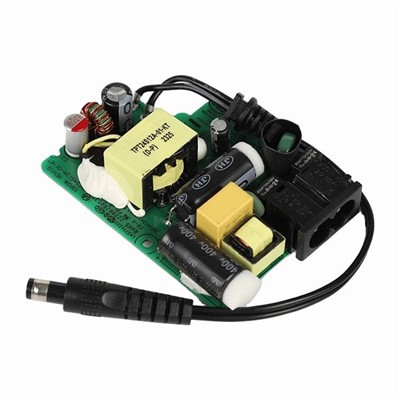

Connecting multiple PoE (Power over Ethernet) power supplies in parallel can be a practical solution when you need to increase the power capacity for your network devices. As a PoE power supply provider, I've encountered numerous scenarios where customers faced challenges in expanding their power supply capabilities. In this blog, I'll share some insights and steps on how to connect multiple PoE power supplies in parallel safely and effectively.
Understanding the Basics of PoE Power Supplies
Before delving into parallel connection methods, it's essential to understand how PoE power supplies work. PoE technology allows electrical power to be transmitted along with data over Ethernet cables, eliminating the need for separate power cables for each device. This simplifies installation and reduces clutter in your network infrastructure.
PoE power supplies come in various wattages and form factors, such as 60W POE Switch and 90W POE Injector. The choice of power supply depends on the power requirements of your connected devices, such as IP cameras, wireless access points, and VoIP phones.
Reasons for Connecting PoE Power Supplies in Parallel
There are several reasons why you might want to connect multiple PoE power supplies in parallel:
- Increased Power Capacity: When the power demand of your network devices exceeds the capacity of a single PoE power supply, parallel connection allows you to combine the power output of multiple supplies.
- Redundancy: Parallel connection provides redundancy in case one power supply fails. This ensures continuous operation of your network devices without interruption.
- Scalability: As your network grows and the number of connected devices increases, you can easily add more PoE power supplies in parallel to meet the growing power demand.
Precautions Before Connecting PoE Power Supplies in Parallel
Before attempting to connect multiple PoE power supplies in parallel, there are several precautions you should take:
- Compatibility: Ensure that all PoE power supplies you plan to connect in parallel are compatible in terms of voltage, current, and power output. Mixing incompatible power supplies can lead to overheating, damage to the power supplies, or even pose a safety hazard.
- Load Balancing: Consider the load distribution among the parallel-connected power supplies. Uneven load distribution can cause some power supplies to operate at full capacity while others are underutilized, leading to premature failure of the overloaded supplies.
- Safety Measures: Follow all safety guidelines and procedures when working with electrical equipment. This includes wearing appropriate personal protective equipment (PPE), such as insulated gloves and safety glasses, and ensuring that the power supplies are properly grounded.
Steps to Connect Multiple PoE Power Supplies in Parallel
Here are the general steps to connect multiple PoE power supplies in parallel:
- Turn Off the Power: Before making any connections, turn off all the PoE power supplies and disconnect them from the power source. This ensures your safety and prevents any electrical damage during the connection process.
- Identify the Output Terminals: Locate the output terminals of each PoE power supply. These terminals are usually labeled as "+" (positive) and "-" (negative) or "V+ " and "V-".
- Connect the Positive Terminals: Using appropriate electrical connectors, connect the positive terminals of all the PoE power supplies together. Make sure the connections are secure and free of any loose wires or exposed conductors.
- Connect the Negative Terminals: Similarly, connect the negative terminals of all the PoE power supplies together. Again, ensure that the connections are tight and properly insulated.
- Verify the Connections: Double-check all the connections to ensure they are correct and secure. Look for any signs of loose wires, short circuits, or improper connections.
- Turn On the Power: Once you have verified the connections, turn on the PoE power supplies one by one, starting with the first supply and waiting a few seconds before turning on the next one. Monitor the power supplies for any signs of overheating, abnormal noise, or other issues.
- Check the Power Output: Use a multimeter or other appropriate testing equipment to check the power output of the parallel-connected PoE power supplies. Make sure the combined power output meets the requirements of your network devices.
Monitoring and Maintenance
After connecting multiple PoE power supplies in parallel, it's important to monitor and maintain them regularly to ensure their proper operation:


- Temperature Monitoring: Keep an eye on the temperature of the PoE power supplies. Overheating can indicate a problem with the power supplies or the parallel connection. If you notice any signs of overheating, such as a burning smell or excessive heat, turn off the power supplies immediately and investigate the cause.
- Load Monitoring: Monitor the load distribution among the parallel-connected power supplies. Use a power meter or other monitoring equipment to measure the power consumption of each supply. Make sure the load is evenly distributed to prevent overloading of any single supply.
- Regular Inspections: Conduct regular inspections of the PoE power supplies and their connections. Look for any signs of wear and tear, loose connections, or other issues. Replace any damaged or worn-out components as needed.
- Firmware Updates: Keep the firmware of your PoE power supplies up to date. Manufacturers often release firmware updates to improve the performance, stability, and security of their products.
Troubleshooting Common Issues
Despite taking all the necessary precautions, you may encounter some issues when connecting multiple PoE power supplies in parallel. Here are some common issues and their possible solutions:
- Overheating: Overheating can be caused by a variety of factors, such as overloading, poor ventilation, or a faulty power supply. To solve this problem, check the load distribution among the power supplies, ensure proper ventilation, and replace any faulty supplies.
- Uneven Load Distribution: Uneven load distribution can lead to premature failure of the overloaded power supplies. To address this issue, adjust the load distribution by redistributing the connected devices among the power supplies or adding additional power supplies if necessary.
- Power Output Fluctuations: Power output fluctuations can be caused by a loose connection, a faulty power supply, or a problem with the parallel connection. Check all the connections, replace any faulty supplies, and ensure that the parallel connection is correct and secure.
Conclusion
Connecting multiple PoE power supplies in parallel can be a effective way to increase the power capacity, provide redundancy, and scale your network. However, it's important to follow the proper procedures and take the necessary precautions to ensure the safety and reliability of your network. As a PoE power supply provider, I'm here to assist you in selecting the right power supplies for your needs and providing guidance on parallel connection methods. If you have any questions or need further assistance, please don't hesitate to contact us for procurement discussions.
References
- "Power over Ethernet (PoE) Technology Overview," Cisco Systems, Inc.
- "Parallel Power Supply Operation," Texas Instruments Incorporated.
- "Understanding PoE Standards and Power Requirements," Juniper Networks, Inc.