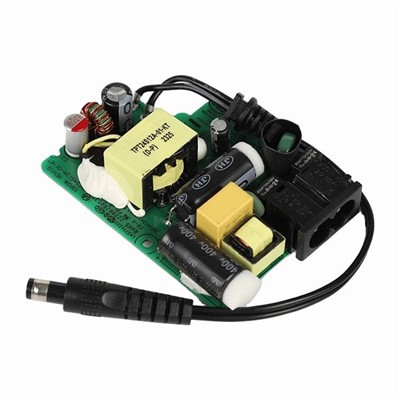

Hey there! As a supplier of dual rail power supplies, I often get asked about how to increase the output current of these power supplies. It's a crucial topic, especially for those who need more power for their electronic devices. In this blog, I'll share some practical ways to boost that output current.

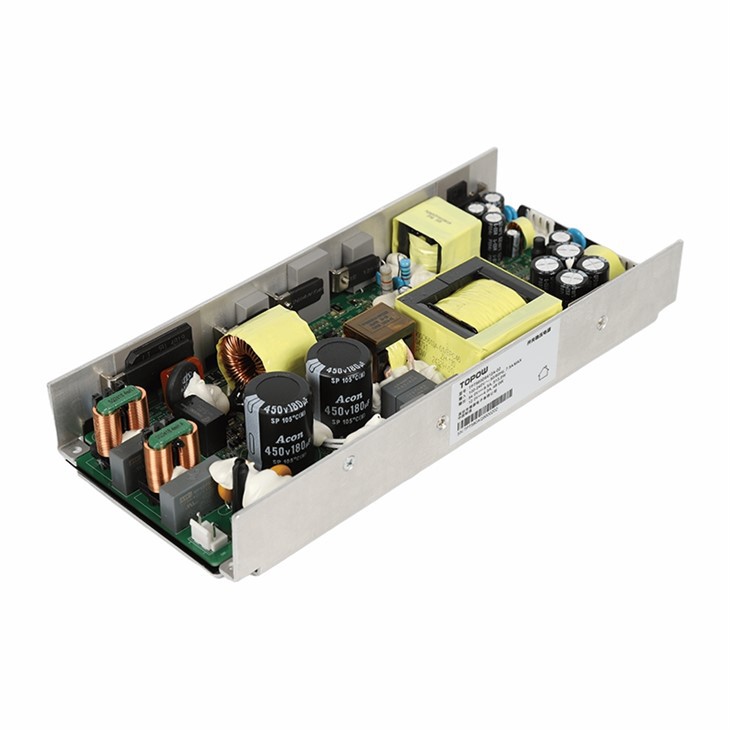
First off, let's understand the basics. A dual rail power supply provides two different voltage levels, usually a positive and a negative voltage, relative to a common ground. This setup is widely used in various applications, like audio amplifiers, analog circuits, and more. But when your devices demand more current, you've got to find ways to meet that need.
One of the simplest ways is to parallel multiple power supplies. By connecting the positive outputs together and the negative outputs together, you can effectively increase the available current. However, there are a few things to keep in mind. You need to make sure that the power supplies you're paralleling have the same voltage output and similar electrical characteristics. Otherwise, you might end up with uneven current sharing, which can lead to overheating and even damage to the power supplies. For example, if one power supply has a slightly higher output voltage than the others, it will end up supplying more current, putting extra stress on it.
Another option is to upgrade the power supply components. This includes things like the transformers, rectifiers, and capacitors. A larger transformer can handle more power, which means it can supply more current. Similarly, high - current rated rectifiers can handle the increased current flow without getting damaged. And using larger capacitors can help in smoothing out the output voltage and providing a more stable current supply. Our Server - Grade Power Supply Board is designed with high - quality components that can handle relatively high currents. It's a great choice if you're looking to upgrade your power supply setup.
Modifying the power supply circuit is also a viable solution. You can add current - boosting circuits, such as transistor - based current boosters. These circuits can take the existing output current and increase it to meet your requirements. But this requires a good understanding of electronics and circuit design. If you're not confident in your skills, it's best to consult a professional or look for pre - designed current - boosting modules. Our Heavy - Duty Switching Power Module comes with built - in features that can help in increasing the output current efficiently.
Proper heat management is essential when you're increasing the output current. Higher current means more power dissipation, which leads to increased heat generation. If the power supply gets too hot, it can affect its performance and lifespan. You can use heat sinks, fans, or other cooling methods to keep the temperature in check. Make sure that the power supply has enough ventilation space around it. Blocked ventilation can cause the heat to build up quickly, so keep it in an open area or use a well - designed enclosure with proper ventilation holes.
When it comes to choosing the right power supply for your high - current needs, our 250W Dual Output Power Module is a top - notch option. It's designed to provide a stable and high - current output, making it suitable for a wide range of applications.
Now, let's talk about some common mistakes to avoid. Don't try to push a power supply beyond its rated current capacity. This can cause permanent damage to the power supply and may even pose a safety hazard. Also, don't ignore the importance of proper grounding. A poor ground connection can lead to electrical noise and instability in the power supply output.
In addition to these technical aspects, it's also important to consider the long - term reliability of the power supply. When you increase the output current, you're putting more stress on the components. So, make sure to choose high - quality components and perform regular maintenance checks. This includes inspecting the components for signs of wear and tear, checking the connections for tightness, and monitoring the temperature and output voltage.
If you're still not sure which approach is best for your specific situation, don't hesitate to reach out to us. We've got a team of experts who can provide you with personalized advice based on your requirements. Whether you're working on a small - scale project or a large - scale industrial application, we can help you find the right solution to increase the output current of your dual rail power supply.
In conclusion, increasing the output current of a dual rail power supply can be achieved through various methods, such as paralleling power supplies, upgrading components, modifying circuits, and proper heat management. But it's important to do it right to ensure the safety and reliability of your power supply. If you're interested in our products or need more information, feel free to contact us for a procurement discussion. We're here to help you get the most out of your power supply setup.
References
- "Power Supply Design Handbook" by Marty Brown
- Various technical documents from power supply component manufacturers