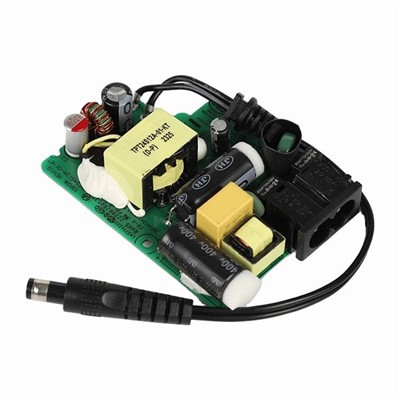

As a supplier of off-grid inverters, I've encountered numerous situations where customers face the issue of overheating in their inverters. Overheating can not only reduce the efficiency of the off-grid inverter but also significantly shorten its lifespan. In this blog, I'll share some effective ways to cool an overheated off-grid inverter based on my years of experience in the industry.
Understanding the Causes of Overheating
Before delving into the cooling methods, it's crucial to understand why an off-grid inverter might overheat. There are several common factors:
- High Load Operation: When the inverter is continuously operating at or near its maximum capacity, it generates a large amount of heat. For example, if you're using a 4kw Off Grid Inverter to power multiple high - wattage appliances simultaneously, the inverter has to work extra hard, leading to increased heat production.
- Poor Ventilation: Inverters need proper airflow to dissipate heat. If the inverter is installed in a confined space or surrounded by objects that block the air intake and exhaust, the heat will accumulate inside the inverter, causing it to overheat.
- Environmental Conditions: High ambient temperatures can also contribute to inverter overheating. In hot climates, the external temperature can make it more difficult for the inverter to cool down.
Cooling Methods
1. Improve Ventilation
- Proper Installation Location: Choose an installation location that allows for good airflow around the inverter. Avoid placing it in a corner or against a wall. Instead, install it in an open area where air can freely circulate. For instance, mounting the inverter on a wall with at least a few inches of clearance on all sides can significantly improve ventilation.
- Use Ventilation Fans: Some off - grid inverters come with built - in fans, but in some cases, additional fans can be beneficial. You can install external fans near the inverter to enhance the airflow. Make sure the fans are directed towards the inverter's air intake or exhaust vents to effectively remove the hot air.
2. Heat Sinks
- Function and Types: Heat sinks are passive cooling devices that absorb and dissipate heat from the inverter's components. They work by increasing the surface area available for heat transfer. There are different types of heat sinks, such as aluminum heat sinks and copper heat sinks. Aluminum heat sinks are lightweight and cost - effective, while copper heat sinks have better thermal conductivity.
- Installation: If your inverter doesn't have a sufficient heat sink, you can add an aftermarket heat sink. Make sure to attach the heat sink properly to the inverter's hot components, such as the power transistors, using thermal paste. The thermal paste helps to improve the thermal contact between the heat sink and the component, enhancing heat transfer.
3. Cooling Fluids
- Liquid Cooling Systems: In some high - power off - grid inverters, liquid cooling systems can be used. These systems circulate a coolant, such as water or a special coolant fluid, through the inverter to absorb heat. The heated coolant is then pumped to a radiator where it is cooled before being recirculated. Liquid cooling is more efficient than air cooling, especially for inverters with high heat loads. However, it is also more complex and expensive to install and maintain.
- Coolant Maintenance: If you're using a liquid cooling system, regular maintenance is essential. Check the coolant level regularly and make sure there are no leaks in the system. Replace the coolant according to the manufacturer's recommendations to ensure optimal cooling performance.
4. Temperature Monitoring and Control
- Thermostats and Sensors: Install temperature sensors in the inverter to monitor its temperature. These sensors can be connected to a thermostat or a control system. When the temperature reaches a certain threshold, the thermostat can trigger a cooling mechanism, such as turning on a fan or activating a liquid cooling pump.
- Remote Monitoring: Some modern off - grid inverters support remote monitoring. You can use a smartphone app or a computer to monitor the inverter's temperature and other parameters. This allows you to detect overheating issues early and take appropriate action, even when you're not physically near the inverter.
Preventive Measures
- Load Management: Avoid overloading the inverter. Make sure to calculate the total power consumption of the appliances you're connecting to the inverter and choose an inverter with a sufficient capacity. For example, if you have a high - power appliance, consider using a 6kw Off Grid Inverter instead of a smaller one.
- Regular Inspections: Conduct regular inspections of the inverter to check for any signs of damage or wear. Look for loose connections, damaged components, or blocked vents. Cleaning the inverter's vents and components regularly can also help prevent overheating.
Conclusion
Overheating is a common problem in off - grid inverters, but with the right cooling methods and preventive measures, it can be effectively managed. By improving ventilation, using heat sinks, considering cooling fluids, and implementing temperature monitoring, you can ensure the optimal performance and longevity of your off - grid inverter.
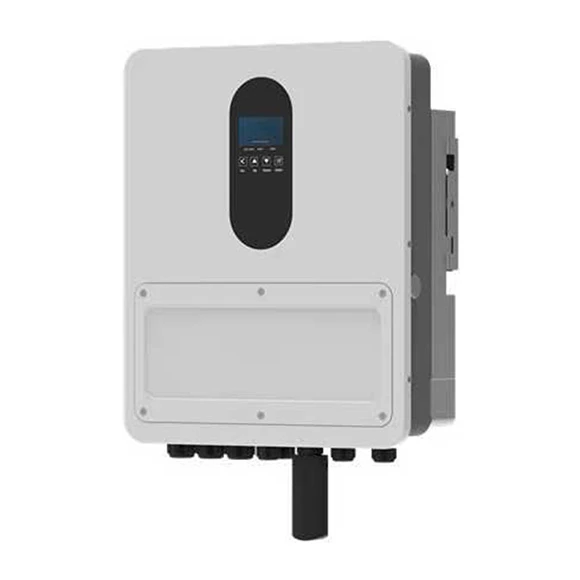

If you're facing issues with inverter overheating or are looking to purchase a high - quality off - grid inverter, we're here to help. Our company offers a wide range of off - grid inverters, including 4kw Off Grid Inverter and 6kw Off Grid Inverter, designed to meet your specific power needs. Contact us for more information and let's discuss how we can provide the best solution for your off - grid power system.
References
- "Inverter Cooling Technologies: A Review" - Journal of Renewable Energy
- "Thermal Management in Power Electronics" - IEEE Transactions on Power Electronics