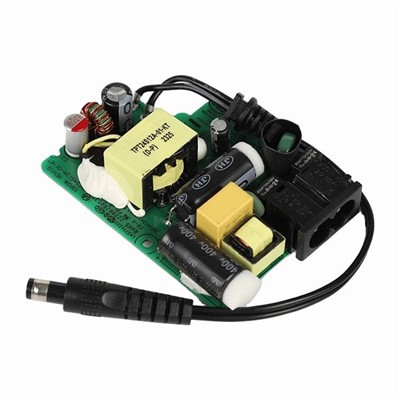

Designing a Power over Ethernet (PoE) power supply system for a lighting project requires a comprehensive understanding of the technology, the specific requirements of the lighting system, and the various components involved. As a PoE power supply provider, I've had the privilege of working on numerous lighting projects, and I'm excited to share my insights on how to design an effective PoE power supply system for your lighting project.
Understanding PoE Technology
Power over Ethernet is a technology that allows electrical power to be transmitted along with data over Ethernet cables. This eliminates the need for separate power cables, simplifying installation and reducing costs. PoE is particularly well - suited for lighting projects as it enables centralized power management and control of lighting fixtures.
There are different standards of PoE, such as IEEE 802.3af (PoE), IEEE 802.3at (PoE+), and IEEE 802.3bt (4PPoE). The standard you choose will depend on the power requirements of your lighting fixtures. IEEE 802.3af can provide up to 15.4 watts per port, IEEE 802.3at can supply up to 30 watts per port, and IEEE 802.3bt can offer up to 90 watts per port.
Assessing Lighting Requirements
The first step in designing a PoE power supply system for a lighting project is to assess the lighting requirements. This includes determining the number of lighting fixtures, their power consumption, and their location.
- Number of Fixtures: Count the total number of lighting fixtures in your project. This will give you an idea of the overall power demand.
- Power Consumption: Check the power rating of each lighting fixture. Some modern LED lighting fixtures can operate on as little as a few watts, while others may require more power for higher brightness or additional features.
- Location: Consider the physical location of the lighting fixtures. This will help you plan the layout of the Ethernet cables and the placement of PoE switches or injectors.
Selecting the Right PoE Components
Based on the lighting requirements, you need to select the appropriate PoE components for your system.


- PoE Switches: A PoE switch is a device that can provide both power and data to connected devices. If you have a large number of lighting fixtures in a centralized location, a PoE switch is a good choice. For example, our 60W POE Switch can support multiple lighting fixtures and is suitable for medium - sized lighting projects. It offers a stable power output and reliable data transmission.
- PoE Injectors: A PoE injector is used when you have existing non - PoE Ethernet switches or when you need to add PoE functionality to a specific device. If your lighting fixtures are spread out or if you want to retrofit an existing network, PoE injectors can be a cost - effective solution. Our 90W POE Injector is capable of delivering high - power PoE to single or multiple lighting fixtures, making it ideal for larger or more power - hungry fixtures.
Calculating Power Budget
Once you have selected the PoE components, you need to calculate the power budget. This involves adding up the power consumption of all the lighting fixtures and ensuring that the PoE switches or injectors can provide enough power.
- Total Power Consumption: Multiply the power rating of each lighting fixture by the number of fixtures to get the total power consumption. For example, if you have 10 lighting fixtures, each consuming 10 watts, the total power consumption is 100 watts.
- PoE Component Capacity: Check the power capacity of the PoE switches or injectors you have selected. Make sure that their total power output is greater than the total power consumption of the lighting fixtures. It's also a good idea to leave some margin for future expansion or unexpected power surges.
Planning the Network Layout
The network layout is crucial for the proper functioning of the PoE power supply system.
- Cable Length: Ethernet cables have a maximum length limit for reliable data and power transmission. For most PoE applications, the maximum cable length is 100 meters. Make sure that the distance between the PoE switch or injector and the lighting fixtures does not exceed this limit.
- Cable Type: Use high - quality Ethernet cables, such as Cat5e or Cat6, to ensure good electrical conductivity and data transmission. These cables are designed to handle both power and data and can reduce the risk of signal loss or power degradation.
- Topology: Decide on the network topology, such as star, bus, or ring. A star topology is the most common for PoE lighting projects as it provides better reliability and easier troubleshooting.
Implementing Power Management and Control
One of the advantages of using a PoE power supply system for lighting is the ability to implement power management and control.
- Centralized Control: You can use a central management system to control the lighting fixtures remotely. This allows you to turn the lights on and off, adjust the brightness, and schedule lighting operations.
- Energy Efficiency: PoE systems can help improve energy efficiency by allowing you to dim the lights when they are not needed or to turn them off automatically. This can result in significant cost savings over time.
Testing and Commissioning
After the installation of the PoE power supply system, it's essential to test and commission the system.
- Power Testing: Check the power output of the PoE switches or injectors to ensure that they are providing the correct amount of power to the lighting fixtures.
- Functionality Testing: Test the functionality of the lighting fixtures, including turning them on and off, adjusting the brightness, and checking for any flickering or other issues.
- Data Transmission Testing: Verify that the data is being transmitted correctly between the PoE components and the lighting fixtures.
Maintenance and Support
Once the PoE power supply system is up and running, regular maintenance is required to ensure its long - term reliability.
- Inspection: Periodically inspect the Ethernet cables, PoE switches, and lighting fixtures for any signs of damage or wear.
- Software Updates: Keep the firmware of the PoE components up - to - date to ensure optimal performance and security.
- Technical Support: As a PoE power supply provider, we offer comprehensive technical support to help you with any issues that may arise during the operation of your system.
Conclusion
Designing a PoE power supply system for a lighting project involves a series of steps, from assessing the lighting requirements to testing and commissioning the system. By understanding the technology, selecting the right components, and planning the network layout carefully, you can create an efficient and reliable PoE lighting system.
If you are interested in our PoE power supply products for your lighting project or have any questions about the design process, we invite you to contact us for a detailed consultation. Our team of experts is ready to assist you in finding the best solutions for your specific needs.
References
- IEEE Standards Association. (2023). IEEE 802.3 Ethernet Standards.
- Lighting Research Center. (2023). LED Lighting Technology and Applications.