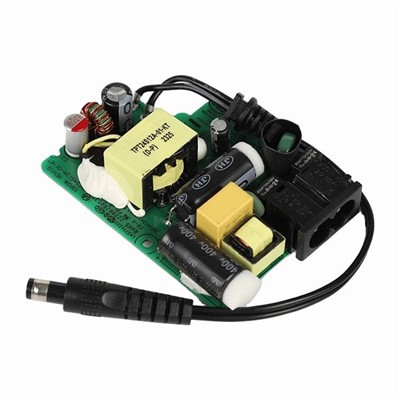

Measuring the power consumption of a desktop power adapter is a crucial step for both consumers and suppliers. As a desktop power adapter supplier, we understand the significance of accurate power consumption measurement. It not only helps end - users manage their energy usage and costs but also allows us to optimize our product designs and ensure high - quality offerings. In this blog, we will delve into the methods of measuring the power consumption of a desktop power adapter.
Understanding Power Consumption Basics
Before we jump into the measurement methods, it's essential to understand what power consumption means. Power consumption is the rate at which an electrical device uses energy. It is measured in watts (W) and is calculated by multiplying the voltage (V) across the device by the current (I) flowing through it, according to the formula (P = V\times I). For a desktop power adapter, factors such as the type of desktop computer it powers (e.g., a basic office PC or a Gaming PC Adapter), the efficiency of the adapter itself, and the load it is carrying can all affect its power consumption.
Methods of Measuring Power Consumption
Using a Power Meter
One of the most straightforward and accurate ways to measure the power consumption of a desktop power adapter is by using a power meter. A power meter is a device that can be plugged between the power adapter and the electrical outlet. It measures the amount of electrical power being consumed in real - time.
To use a power meter:
- First, ensure that the power meter is compatible with the voltage and power rating of the desktop power adapter. Most power meters are designed to handle a wide range of voltages, typically from 100V to 240V, which is suitable for most desktop power adapters.
- Plug the power meter into the electrical outlet.
- Then, plug the desktop power adapter into the power meter.
- Once the adapter is connected, the power meter will display various parameters, including the instantaneous power consumption (in watts), the total energy consumption (in kilowatt - hours), and sometimes the power factor.
Power meters are available in different types, from simple and inexpensive models to more advanced ones with additional features such as data logging. For home users or small - scale testing, a basic power meter can provide sufficient data to understand the power consumption of the adapter.
Multimeter Measurements
A multimeter can also be used to measure the power consumption of a desktop power adapter. However, using a multimeter requires some technical knowledge and is a bit more complex compared to using a power meter.
- Measuring Voltage: First, set the multimeter to the voltage measurement mode. To measure the output voltage of the desktop power adapter, connect the multimeter probes to the output terminals of the adapter. Make sure the adapter is connected to a load (such as a computer) during the measurement, as the output voltage may vary depending on the load.
- Measuring Current: Set the multimeter to the current measurement mode. In this case, the multimeter needs to be inserted in series with the load. This means that the power supply to the load needs to be interrupted, and the multimeter is connected in such a way that the current flowing through the load also passes through the multimeter.
Once the voltage and current values are measured, the power consumption can be calculated using the formula (P = V\times I). However, it should be noted that multimeters may not be as accurate as power meters, especially when measuring small currents or in situations where the power factor is not equal to 1.
Factors Affecting Power Consumption Measurement
Load Conditions
The power consumption of a desktop power adapter varies significantly depending on the load. For example, a AC Adapter For Pc will consume more power when the computer is running resource - intensive tasks such as gaming or video editing compared to when it is in standby mode. When measuring the power consumption, it is important to test under different load conditions to get a comprehensive understanding of the adapter's performance.
Adapter Efficiency
The efficiency of the desktop power adapter also affects the power consumption measurement. An adapter with a higher efficiency will convert a larger percentage of the input power into output power, resulting in lower power losses. Modern desktop power adapters are designed to meet certain efficiency standards, such as the 80 Plus certification. When measuring power consumption, it is important to consider the efficiency of the adapter, as a less efficient adapter may consume more power from the electrical grid to provide the same amount of power to the computer.
Environmental Conditions
Environmental conditions such as temperature and humidity can also affect the power consumption of a desktop power adapter. High temperatures can cause the internal components of the adapter to heat up, which may increase the power losses and thus the overall power consumption. Similarly, high humidity can affect the electrical insulation of the adapter, potentially leading to increased power consumption.


Importance of Accurate Measurement for Suppliers
As a desktop power adapter supplier, accurate measurement of power consumption is crucial for several reasons.
Product Development
Accurate power consumption data allows us to optimize the design of our power adapters. By understanding how different components and design features affect power consumption, we can develop more efficient and energy - saving products. For example, by using advanced semiconductor materials, we can reduce the power losses in the adapter, leading to lower power consumption.
Product Certification
Many countries and regions have regulations and standards regarding the power consumption and energy efficiency of electrical devices. Accurate measurement of power consumption is necessary to ensure that our 150w Power Adapter and other products meet these standards. This not only helps us comply with the law but also enhances the market competitiveness of our products.
Customer Satisfaction
Providing accurate power consumption information to our customers helps build trust and satisfaction. Customers are increasingly concerned about energy efficiency and power consumption, and being able to provide them with reliable data can help them make informed purchasing decisions.
Guiding Contact for Purchase
If you are interested in our desktop power adapters and have any questions about power consumption measurement, product features, or potential purchases, we are more than willing to have in - depth discussions with you. Our team of experts is ready to provide you with detailed information and customized solutions. Whether you are a retailer looking to stock our products or an end - user in need of a high - quality power adapter, we can meet your requirements. Please feel free to reach out and start a conversation about your procurement needs.
References
- "Power Electronics: Converters, Applications, and Design" by Ned Mohan, Tore M. Undeland, and William P. Robbins.
- Energy Star Program Requirements for External Power Supplies, U.S. Environmental Protection Agency.
- 80 Plus Certification Program Guidelines, 80 Plus Consortium.