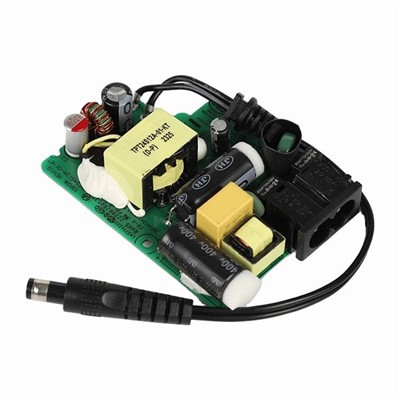

As a supplier of 48V EV chargers, I've witnessed firsthand the challenges that over - heating can pose to both the chargers and the electric vehicles they power. Over - heating not only shortens the lifespan of the charger but also presents potential safety hazards. In this blog, I'll share some effective strategies on how to prevent over - heating of a 48V EV charger.
Understanding the Causes of Over - heating
Before we delve into prevention methods, it's crucial to understand what causes a 48V EV charger to over - heat. There are several factors at play here.
High - load Operation
When a charger is used to charge multiple batteries simultaneously or is connected to a battery with a high capacity, it has to work harder. This increased workload generates more heat. For example, if you try to charge a large - capacity 48V battery pack that requires a high current input, the charger's internal components will experience a significant electrical load, leading to heat buildup.
Poor Ventilation
Charger components generate heat during operation. If the charger is placed in an enclosed space or in an area with limited air circulation, the heat cannot dissipate effectively. This trapped heat causes the temperature inside the charger to rise steadily. A charger that is placed in a tight cabinet or behind other equipment may suffer from this problem.
Electrical Resistance
Inside the charger, wires, connectors, and other electrical components have resistance. When current flows through these components, according to Joule's law (Q = I²Rt, where Q is the heat generated, I is the current, R is the resistance, and t is the time), heat is produced. Faulty or sub - standard components with higher than normal resistance can exacerbate this issue.
Aging Components
As chargers age, their internal components may degrade. Capacitors, for instance, can lose their ability to store and release electrical energy efficiently over time. This degradation can lead to increased heat generation as the charger struggles to maintain the correct charging parameters.
Prevention Strategies
Proper Installation and Placement
The first step in preventing over - heating is to ensure that the charger is installed and placed correctly.
- Ventilation Space: Always install the charger in a well - ventilated area. Leave at least a few inches of clearance around the charger to allow for proper air circulation. Avoid placing it in a corner or against a wall where air cannot flow freely. For example, you can mount the charger on a wall with enough space behind it or place it on a raised platform.
- Avoid Direct Sunlight and Heat Sources: Keep the charger away from direct sunlight and other heat - generating sources such as heaters or radiators. Exposure to high ambient temperatures can increase the base temperature of the charger, making it more prone to over - heating.
Regular Maintenance
Regular maintenance is essential for keeping the charger in good working condition and preventing over - heating.
- Cleaning: Dust and debris can accumulate on the charger's internal and external components over time. This buildup can insulate the components and prevent heat from dissipating. Use a soft brush or compressed air to clean the charger periodically. Pay special attention to the ventilation holes to ensure they are not blocked.
- Inspection: Regularly inspect the charger for any signs of damage or wear. Check the wires for fraying, the connectors for loose connections, and the internal components for signs of over - heating such as discoloration or melting. Replace any damaged components immediately.
Optimize Charging Parameters
Adjusting the charging parameters can also help prevent over - heating.
- Charging Current: Avoid setting the charging current too high. A high charging current can cause the charger to work harder and generate more heat. Consult the battery manufacturer's specifications to determine the optimal charging current for your battery. For example, if the battery is rated for a maximum charging current of 5A, do not set the charger to supply more than this value.
- Charging Time: Do not over - charge the battery. Once the battery is fully charged, disconnect the charger. Over - charging can cause the battery to heat up, which in turn can increase the temperature of the charger. Some modern chargers have built - in over - charge protection, but it's still a good practice to monitor the charging process.
Upgrade Components
If you find that your charger is frequently over - heating, consider upgrading some of its components.
- High - quality Wires and Connectors: Using high - quality wires and connectors with low resistance can reduce the heat generated by electrical resistance. These components are designed to handle the current more efficiently, resulting in less heat production.
- Heat - sink and Cooling Fans: Installing a heat - sink or a cooling fan can significantly improve the charger's heat dissipation capabilities. A heat - sink absorbs and dissipates heat from the components, while a cooling fan helps to circulate air and remove the heat from the charger.
The Role of Quality Chargers
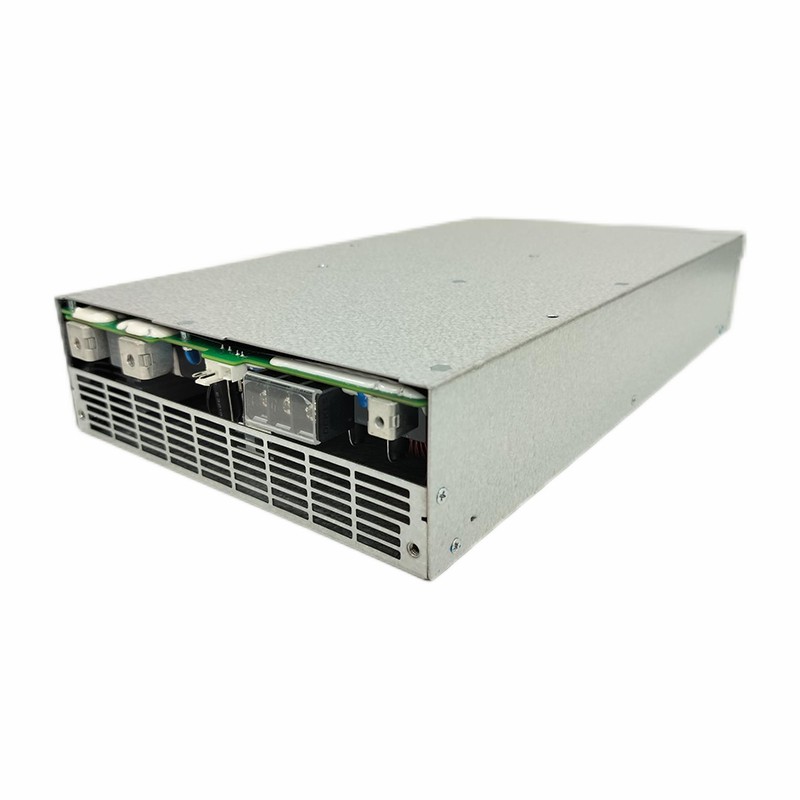
Investing in a high - quality 48V EV charger is one of the most effective ways to prevent over - heating. At our company, we offer a range of chargers that are designed with advanced heat - dissipation technology and high - quality components.
Our Portable Ebike Battery Charger is not only portable but also built to withstand the rigors of regular use. It features a compact design with efficient ventilation to prevent over - heating. The Electrical Scooter Charger is specifically tailored to the needs of electrical scooters, providing a safe and reliable charging solution. And our 100A Battery Charger is capable of handling high - current charging while maintaining a stable temperature.

Conclusion
Preventing over - heating of a 48V EV charger is crucial for ensuring its longevity and the safety of the electric vehicle. By understanding the causes of over - heating and implementing the prevention strategies mentioned above, you can significantly reduce the risk of charger failure due to over - heating.
If you're in the market for a reliable 48V EV charger or have any questions about preventing over - heating, we'd love to hear from you. Contact us to discuss your specific requirements and explore our range of charging solutions. We're committed to providing high - quality chargers that meet your needs and keep your electric vehicles running smoothly.
References
- Electrical Engineering Handbook, Third Edition, edited by Richard C. Dorf
- Battery Charging Handbook, by Martin Weigert
- Standards and Guidelines for Electric Vehicle Chargers, published by relevant industry associations.