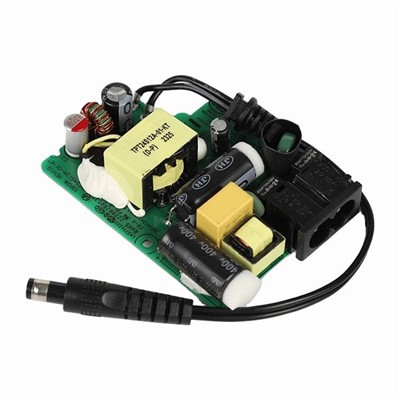

As a supplier of EV Charger 48v, I understand the importance of protecting these chargers from lightning strikes. Lightning can cause significant damage to electrical equipment, including EV chargers, leading to costly repairs and downtime. In this blog post, I will share some effective strategies on how to protect an EV Charger 48v from lightning strikes.
Understanding the Threat of Lightning Strikes
Lightning is a natural phenomenon that releases a massive amount of electrical energy. When a lightning strike occurs near an EV charger, it can induce a surge in the electrical system. This surge can be powerful enough to damage the internal components of the charger, such as the circuit boards, power supplies, and control modules. Moreover, lightning strikes can also cause fire hazards, posing a risk to both the charger and the surrounding environment.
Installing Surge Protectors
One of the most effective ways to protect an EV Charger 48v from lightning strikes is to install surge protectors. Surge protectors are devices that divert excess voltage away from the charger, preventing it from reaching and damaging the sensitive components. When selecting a surge protector, it is important to choose one that is specifically designed for high - power electrical equipment like EV chargers. Look for surge protectors with a high joule rating, which indicates the amount of energy it can absorb before failing.
For instance, our company offers a range of high - quality surge protectors that are compatible with EV Charger 48v. These surge protectors are designed to handle large voltage spikes and provide reliable protection for your charger.
Proper Grounding
Proper grounding is another crucial aspect of protecting an EV charger from lightning strikes. Grounding provides a safe path for electrical current to flow into the earth in the event of a lightning strike or electrical surge. When installing an EV Charger 48v, ensure that it is properly grounded according to the local electrical codes and standards.
The grounding system should include a grounding rod that is driven deep into the earth and connected to the charger using a grounding wire. This connection should be secure and free from corrosion to ensure effective grounding. A well - grounded charger can significantly reduce the risk of damage from lightning strikes by safely dissipating the excess electrical energy.
Location and Installation
The location of the EV charger plays a vital role in its protection against lightning strikes. Avoid installing the charger in areas that are prone to lightning strikes, such as open fields, hilltops, or near tall trees or metal structures. Instead, choose a location that is sheltered, such as under a building overhang or in a garage.
When installing the charger, make sure it is mounted on a stable and non - conductive surface. This helps to prevent the transfer of electrical energy from the charger to the surrounding structure in the event of a lightning strike. Additionally, ensure that all electrical connections are properly insulated to prevent short circuits.
Using Lightning Rods
Lightning rods can be an effective addition to the protection system for an EV Charger 48v. A lightning rod is a metal rod that is installed at the highest point of a structure. It attracts lightning strikes and provides a direct path for the electrical current to flow safely to the ground.
If possible, install a lightning rod near the EV charger. The lightning rod should be connected to a grounding system to ensure that the electrical energy from a lightning strike is safely dissipated. This can help to divert lightning away from the charger and reduce the risk of damage.
Regular Maintenance and Inspection
Regular maintenance and inspection of the EV charger are essential to ensure its proper functioning and protection against lightning strikes. Check the charger regularly for any signs of damage, such as loose connections, frayed wires, or corrosion. Ensure that the surge protector and grounding system are in good working condition.
Replace any damaged components immediately to prevent further damage from lightning strikes. Additionally, keep the charger clean and dry to prevent moisture from causing electrical problems.
Upgrading the Charger for Better Protection
As technology advances, new features and technologies are being developed to provide better protection for EV chargers against lightning strikes. Consider upgrading your EV Charger 48v to a model that has built - in lightning protection features. These features may include advanced surge protection circuits, over - voltage protection, and transient voltage suppression.
Our company offers a range of 100A Battery Charger and 58V Battery Charger models that are designed with enhanced lightning protection capabilities. These chargers are built to withstand the rigors of electrical surges and provide reliable charging for your electric vehicles.
Conclusion
Protecting an EV Charger 48v from lightning strikes is essential to ensure its longevity and reliable performance. By installing surge protectors, ensuring proper grounding, choosing the right location, using lightning rods, conducting regular maintenance, and upgrading to chargers with advanced protection features, you can significantly reduce the risk of damage from lightning strikes.
If you are interested in purchasing high - quality EV chargers or need more information about protecting your chargers from lightning strikes, please feel free to contact us for procurement and negotiation. We are committed to providing you with the best charging solutions and excellent customer service.


References
- Kuhn, M. (2015). Lightning Protection: Principles, Practice, and Technology. CRC Press.
- National Fire Protection Association. (2017). National Electrical Code (NEC). NFPA 70.