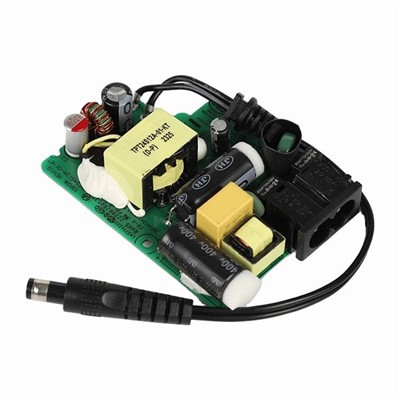

Upgrading a non-PoE network to a PoE network can significantly enhance the functionality and flexibility of your network infrastructure. As a leading PoE power supply provider, I've witnessed firsthand the transformative impact of this upgrade on various business and home setups. In this blog post, I'll guide you through the process of upgrading a non-PoE network to a PoE network with a power supply, highlighting the essential steps, considerations, and the products we offer to facilitate this transition.
Understanding PoE Technology
Power over Ethernet (PoE) is a revolutionary technology that allows electrical power to be transmitted alongside data over Ethernet cables. This eliminates the need for separate power cables for devices such as IP cameras, wireless access points, and VoIP phones, simplifying installation and reducing clutter. PoE technology comes in different standards, including IEEE 802.3af (up to 15.4W), IEEE 802.3at (up to 30W), and IEEE 802.3bt (up to 90W), each offering different power levels to support various devices.
Assessing Your Network Needs
Before embarking on the upgrade, it's crucial to assess your network needs and determine the scale of the upgrade. Consider the following factors:


- Number of Devices: Identify the number of PoE-enabled devices you plan to connect to the network. This will help you determine the number of PoE ports required.
- Power Requirements: Different devices have different power requirements. Check the power consumption of each device and ensure that the PoE power supply can provide sufficient power.
- Network Topology: Evaluate your existing network topology and determine the best locations to install PoE switches or injectors. Consider factors such as cable length, signal strength, and accessibility.
Choosing the Right PoE Power Supply
As a PoE power supply provider, we offer a wide range of products to meet your specific needs. Here are some of our popular products:
- 60W POE Switch: Our 60W PoE switch is ideal for small to medium-sized networks. It provides up to 60W of power per port, supporting a variety of PoE-enabled devices.
- POE Injector 30w: If you have existing non-PoE switches and want to add PoE functionality to specific devices, our 30W PoE injector is a cost-effective solution. It allows you to inject power into an Ethernet cable without replacing the entire switch.
- 90W POE Injector: For high-power devices such as PTZ cameras and high-density wireless access points, our 90W PoE injector provides the necessary power to ensure reliable operation.
Upgrading Your Network
Once you've chosen the right PoE power supply, it's time to upgrade your network. Here are the general steps involved:
- Prepare Your Devices: Ensure that all PoE-enabled devices are compatible with the PoE standard of your power supply. Check the device specifications and make any necessary adjustments.
- Install PoE Switches or Injectors: Depending on your network topology, install PoE switches or injectors at the appropriate locations. Connect the Ethernet cables from your existing network to the PoE switches or injectors.
- Connect PoE-Enabled Devices: Connect your PoE-enabled devices to the PoE ports on the switches or injectors using Ethernet cables. The devices should automatically receive power and data from the PoE power supply.
- Configure Your Network: Configure your network settings, including IP addresses, VLANs, and security settings, to ensure proper communication between devices.
- Test Your Network: After the installation is complete, test your network to ensure that all PoE-enabled devices are functioning properly. Check for any connectivity issues or power problems and make any necessary adjustments.
Considerations and Best Practices
Here are some additional considerations and best practices to keep in mind during the upgrade process:
- Cable Quality: Use high-quality Ethernet cables to ensure reliable power and data transmission. Cat5e or Cat6 cables are recommended for PoE networks.
- Power Budgeting: Monitor the power consumption of your devices and ensure that you do not exceed the power budget of your PoE power supply. Overloading the power supply can cause instability and damage to your devices.
- Heat Dissipation: PoE switches and injectors generate heat during operation. Ensure that they are installed in well-ventilated areas to prevent overheating.
- Security: Implement proper security measures, such as firewalls and access controls, to protect your PoE network from unauthorized access and cyber threats.
Conclusion
Upgrading a non-PoE network to a PoE network with a power supply is a smart investment that can enhance the functionality and flexibility of your network infrastructure. By following the steps outlined in this blog post and choosing the right PoE power supply, you can seamlessly transition to a PoE network and enjoy the benefits of simplified installation, reduced clutter, and increased efficiency.
If you're interested in upgrading your network to a PoE network or have any questions about our PoE power supply products, please don't hesitate to contact us. Our team of experts is ready to assist you with your network upgrade needs and provide you with the best solutions for your business.
References
- IEEE Standards Association. (n.d.). IEEE 802.3 Ethernet Standards. Retrieved from https://ieee802.org/3/
- Cisco Systems, Inc. (n.d.). Power over Ethernet (PoE) Technology. Retrieved from https://www.cisco.com/c/en/us/solutions/small-business/resource-center/networking/power-over-ethernet-technology.html