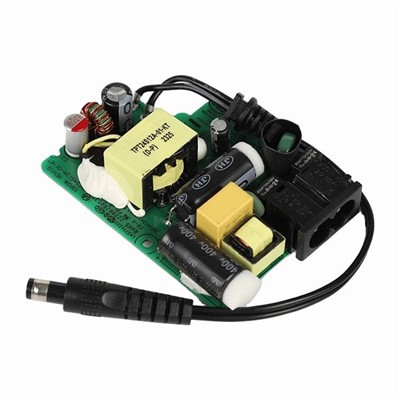

In the realm of video surveillance systems, Power over Ethernet (PoE) technology has emerged as a game - changer. As a PoE power supply provider, I've witnessed firsthand how PoE simplifies the installation and operation of surveillance setups. This blog post aims to share the best practices for using a PoE power supply in a video surveillance system.
Understanding PoE in Video Surveillance
Before delving into best practices, it's crucial to understand what PoE is and how it benefits video surveillance. PoE technology enables both data transmission and power delivery over a single Ethernet cable. In a video surveillance system, this means that IP cameras can receive power and send video data through the same cable, eliminating the need for separate power cables. This not only reduces installation time and cost but also makes the overall system neater and more reliable.
Selecting the Right PoE Power Supply
The first step in using a PoE power supply effectively is choosing the right one for your video surveillance system.
- Power Capacity: Calculate the total power requirements of all the IP cameras in your system. Different cameras have different power consumption levels, which can range from a few watts for basic models to over 30 watts for high - end cameras with features like pan - tilt - zoom (PTZ) and infrared illumination. Make sure the PoE power supply you select can provide enough power to all connected devices. For example, if you have ten cameras, each consuming 15 watts, you'll need a PoE power supply with a capacity of at least 150 watts.
- PoE Standard: There are different PoE standards, such as IEEE 802.3af (PoE), IEEE 802.3at (PoE+), and IEEE 802.3bt (4PPoE). Each standard has a different power output limit. IEEE 802.3af can provide up to 15.4 watts per port, IEEE 802.3at can deliver up to 30 watts per port, and IEEE 802.3bt can supply up to 90 watts per port. Select a PoE power supply that adheres to the appropriate standard based on the power requirements of your cameras. If you are using high - power cameras, a 90W POE Injector might be a suitable choice.
- Number of Ports: Consider the number of IP cameras you plan to connect. PoE switches come in various port configurations, from 4 - port to 48 - port models. Ensure that the PoE power supply has enough ports to accommodate all your cameras. If you need to expand your surveillance system in the future, it's advisable to choose a PoE switch with some extra ports. A 60W POE Switch can be a great option for medium - sized surveillance setups.
Proper Installation
Once you've selected the right PoE power supply, proper installation is key to ensuring optimal performance.
- Location: Install the PoE power supply in a well - ventilated area. PoE power supplies generate heat during operation, and proper ventilation helps dissipate this heat, preventing overheating and potential damage to the device. Avoid installing the PoE power supply in enclosed spaces or near heat - generating equipment.
- Cable Management: Use high - quality Ethernet cables. Cat5e or Cat6 cables are recommended for PoE applications as they can handle both power and data transmission effectively. Ensure that the cables are properly routed and secured to prevent damage. Avoid sharp bends or kinks in the cables, as these can degrade the signal quality and power delivery.
- Grounding: Proper grounding is essential for safety and to protect the PoE power supply and connected devices from electrical surges. Follow the manufacturer's instructions to ensure that the PoE power supply is correctly grounded.
Power Budgeting and Load Balancing
Effective power budgeting and load balancing are critical for the stable operation of a video surveillance system.


- Power Budgeting: As mentioned earlier, calculate the total power requirements of all connected devices. Keep track of the power consumption of each camera and ensure that the total power draw does not exceed the capacity of the PoE power supply. If you find that you are approaching the power limit, you may need to upgrade to a higher - capacity PoE power supply or remove some non - essential devices.
- Load Balancing: Distribute the power load evenly across the ports of the PoE power supply. Avoid connecting all high - power cameras to a single port or a group of adjacent ports. This helps prevent overloading of individual ports and ensures that all cameras receive a stable power supply.
Monitoring and Maintenance
Regular monitoring and maintenance are necessary to keep your PoE - powered video surveillance system running smoothly.
- Monitoring: Use the monitoring features provided by the PoE power supply, such as port status indicators and power consumption monitoring. These features can help you detect any issues, such as a camera that is drawing too much power or a port that has failed. You can also use network monitoring tools to monitor the performance of the entire surveillance network.
- Firmware Updates: Keep the firmware of the PoE power supply up - to - date. Manufacturers often release firmware updates to improve the performance, add new features, and fix security vulnerabilities. Follow the manufacturer's instructions to install the latest firmware.
- Cleaning: Periodically clean the PoE power supply to remove dust and debris. Dust can accumulate on the device's components and impede heat dissipation, leading to overheating. Use a soft, dry cloth to clean the exterior of the PoE power supply.
Security Considerations
Security is a top priority in video surveillance systems.
- Network Security: Protect the PoE power supply and the entire surveillance network from unauthorized access. Use strong passwords for the PoE power supply's management interface and enable network security features such as VLANs (Virtual Local Area Networks) and access control lists (ACLs).
- Data Encryption: Ensure that the video data transmitted over the network is encrypted. This helps prevent eavesdropping and data theft. Most modern IP cameras support data encryption protocols such as SSL/TLS.
Troubleshooting
Despite following all the best practices, issues may still arise in a PoE - powered video surveillance system. Here are some common problems and their solutions:
- Camera Not Powering On: Check the cable connections to ensure that the camera is properly connected to the PoE power supply. Also, check the port status indicator on the PoE power supply to see if the port is providing power. If the port is not working, try connecting the camera to a different port.
- Poor Video Quality: Poor video quality can be caused by a variety of factors, such as a weak network signal, power issues, or a malfunctioning camera. Check the cable connections, power supply, and camera settings to identify and resolve the problem.
In conclusion, using a PoE power supply in a video surveillance system offers numerous benefits, but it requires careful planning, proper installation, and regular maintenance. By following these best practices, you can ensure the reliable and efficient operation of your video surveillance system.
If you are in the process of setting up a new video surveillance system or looking to upgrade your existing one, and need a high - quality PoE power supply, we are here to help. Our team of experts can assist you in selecting the right PoE power supply for your specific needs. Contact us to start a procurement discussion and take your video surveillance system to the next level.
References
- "Power over Ethernet: Design and Implementation" by Richard Deal
- IEEE Standards for Power over Ethernet
- Manufacturer's documentation for PoE power supplies and IP cameras