
As a supplier of off grid inverters, I often encounter customers who are unsure whether they should hire a professional for the installation of their off grid inverters. This is a crucial question that can significantly impact the performance, safety, and longevity of your off grid power system. In this blog post, I'll delve into the pros and cons of professional installation and DIY installation, helping you make an informed decision.
The Complexity of Off Grid Inverter Installation
Off grid inverters are at the heart of any off grid solar power system. They convert the direct current (DC) electricity generated by solar panels into alternating current (AC) electricity, which is used to power most household appliances. The installation process involves several technical steps, including electrical wiring, battery connection, and system configuration.
Electrical Wiring
Proper electrical wiring is essential for the safe and efficient operation of an off grid inverter. Incorrect wiring can lead to short circuits, electrical fires, and damage to the inverter and other components. For example, connecting the wrong wires can cause a sudden surge of electricity, overwhelming the inverter's internal components. Professional electricians are trained to handle electrical wiring safely, following local electrical codes and regulations.

Battery Connection
Off grid inverters are often connected to a battery bank to store excess solar energy for use during periods of low sunlight. Connecting batteries correctly is crucial to ensure optimal battery performance and longevity. Batteries need to be wired in series or parallel, depending on the system requirements, and the charging and discharging processes must be carefully managed. A professional installer has the knowledge and experience to connect batteries properly and configure the inverter to work seamlessly with the battery bank.
System Configuration
Configuring an off grid inverter involves setting parameters such as voltage, frequency, and charge control settings. These settings need to be adjusted according to the specific requirements of your off grid power system, including the size of the solar panels, the capacity of the battery bank, and the power consumption of your appliances. Incorrect configuration can result in inefficient power conversion, reduced battery life, and even system failure. Professional installers are familiar with different inverter models and can configure them accurately to maximize system performance.
Advantages of Professional Installation
Safety
Safety is the most important consideration when it comes to electrical installations. Professional installers are licensed and insured, which means they are qualified to handle electrical work safely. They follow strict safety protocols to prevent electrical hazards and ensure that the installation meets all local safety standards. By hiring a professional, you can have peace of mind knowing that your off grid inverter is installed safely and correctly.
Expertise and Experience
Professional installers have extensive knowledge and experience in installing off grid inverters. They are familiar with different inverter models and brands, and they can recommend the best inverter for your specific needs. They also have the skills and tools to troubleshoot any issues that may arise during the installation process. For example, if there are compatibility issues between the inverter and other components of your off grid power system, a professional installer can quickly identify and resolve the problem.
Warranty and Support
Most off grid inverter manufacturers require professional installation to maintain the warranty. By hiring a professional installer, you can ensure that your inverter is installed in accordance with the manufacturer's specifications, which will protect your warranty. In addition, professional installers often offer after-sales support, which means they can provide maintenance and repair services if needed. This can save you time and money in the long run.
Code Compliance
Local electrical codes and regulations vary from one area to another, and it's important to ensure that your off grid inverter installation complies with these codes. Professional installers are familiar with local electrical codes and can ensure that your installation meets all the necessary requirements. This can prevent costly fines and legal issues in the future.
Advantages of DIY Installation
Cost Savings
One of the main advantages of DIY installation is cost savings. Hiring a professional installer can be expensive, especially if you have a large off grid power system. By installing the inverter yourself, you can save on labor costs and potentially reduce the overall cost of your off grid power system.
Learning Experience
DIY installation can be a great learning experience. It allows you to gain a better understanding of how off grid power systems work and how to maintain them. You can also develop new skills and knowledge that can be useful in the future. For example, you may learn how to troubleshoot basic electrical problems or how to perform routine maintenance on your inverter.
Flexibility
DIY installation gives you more flexibility in terms of scheduling and customization. You can work at your own pace and make changes to the installation process as needed. You can also choose to use different components and materials based on your preferences and budget.
When DIY Installation May Be Appropriate
Simple Systems
If you have a small and simple off grid power system, such as a basic solar panel setup with a single inverter and a small battery bank, DIY installation may be a viable option. These systems are relatively easy to install, and the risk of electrical hazards is lower. However, it's still important to follow all safety precautions and ensure that you have a basic understanding of electrical wiring and system configuration.
Experienced DIYers
If you have experience with electrical work and have installed other electrical systems in the past, you may be confident enough to install an off grid inverter yourself. However, it's important to note that off grid inverter installation is more complex than other electrical installations, and you should still do your research and follow the manufacturer's instructions carefully.
When Professional Installation Is Recommended
Complex Systems
If you have a large and complex off grid power system, such as a multi-panel solar array with a large battery bank and multiple inverters, professional installation is highly recommended. These systems require advanced electrical knowledge and skills, and the risk of electrical hazards is higher. A professional installer can ensure that your system is installed safely and correctly, and they can also provide ongoing maintenance and support.
Lack of Experience
If you have little or no experience with electrical work, it's best to hire a professional installer. Electrical work can be dangerous, and a single mistake can have serious consequences. By hiring a professional, you can ensure that your off grid inverter is installed safely and correctly, and you can avoid costly mistakes.
Conclusion
In conclusion, whether you need a professional to install an off grid inverter depends on several factors, including the complexity of your off grid power system, your level of experience with electrical work, and your budget. While DIY installation can save you money and provide a learning experience, it's important to weigh the risks and benefits carefully. If you're unsure whether you should hire a professional, it's always a good idea to consult with an experienced off grid inverter supplier or a professional installer.
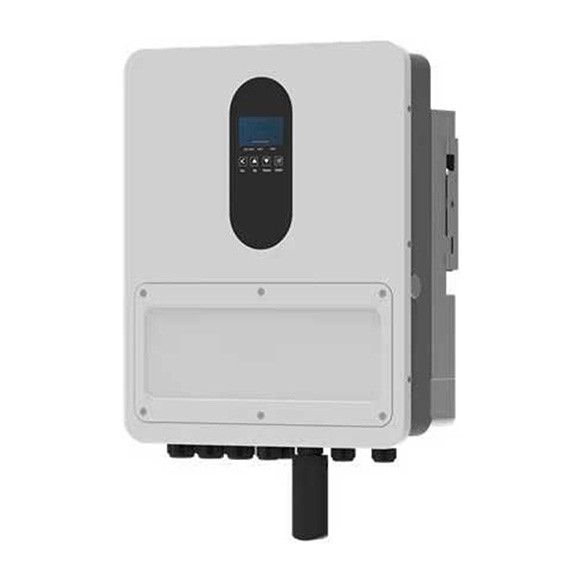
At our company, we offer a range of high-quality off grid inverters, including the 6kw Off Grid Inverter and the 4kw Off Grid Inverter. Our team of experts can provide you with professional advice and support to help you choose the right inverter for your needs and ensure that it is installed safely and correctly. If you're interested in purchasing an off grid inverter or have any questions about installation, please feel free to contact us for a consultation.
References
- "Solar Power Systems Design and Installation Handbook" by John Wiles
- "Off Grid Living: How to Live Comfortably and Sustainably Without Connecting to the Grid" by Mark Hamilton
- Manufacturer's manuals for off grid inverters